Posts

CDB Accorded Prescribed Holder Status for IMF Special Drawing Rights

Black Immigrant Daily News

The content originally appeared on: Caribbean News Service

The Caribbean Development Bank (CDB) has been designated a prescribed holder of Special Drawings Rights (SDRs), by the International Monetary Fund (IMF).

SDRs are an international reserve asset created by the IMF to help meet the long-term global need to supplement reserves.

Prescribed holders can use SDRs for loans, swaps, pledges, in exchange for currency, or for settlement of financial obligations, among other purposes. The designation affords CDB an additional avenue to pursue funding for sustainable development solutions for the Caribbean. This is in-keeping the Bank’s objective of increasing access to adequate and affordable finance for its Borrowing Member Countries (BMCs).

President of the CDB, Dr Hyginus “Gene” Leon said, “Recognising the extensive resources required for financing development in the Caribbean, CDB has sought to significantly expand the sources of funding available for our BMCs, and through this designation from the IMF, we now have additional options for building out a financial ecosystem to meet the varied needs across the Region.”

He added, “The CDB is also advocating for developed countries to re-allocate a percentage of their excess SDR holdings to finance development in regions like the Caribbean where countries are facing an uphill task trying to achieve the Sustainable Development Goals and securing financing climate action. As the region’s Multi-Lateral Development Bank, we are uniquely positioned to marshal finance for these, and other objectives and we look forward to progress on these matters in near future.”

Donate At Caribbean News Service, we do not charge for our content and we want to keep it that way. We are seeking support from individuals and organisations so we can continue our work & develop CNS further.


NewsAmericasNow.com

ECLAC celebrates 75 years

Black Immigrant Daily News

The content originally appeared on: Caribbean News Service

The Economic Commission for Latin America and the Caribbean (ECLAC), with central offices located in Santiago, Chile, is celebrating 75 years since its creation with a commitment to continue working for a more productive, inclusive and sustainable future for the region.

The Economic Commission for Latin America was established by a resolution of the United Nations Economic and Social Council on 25 February 1948 and began work in Santiago that same year. Later, in 1984, the Council decided that its name would be changed to the Economic Commission for Latin America and the Caribbean, one of the five regional commissions of the United Nations.

In a video message, the ECLAC Executive Secretary, Costa Rican economist Jos? Manuel Salazar-Xirinachs, noted that “we have reason to celebrate because the Commission’s contribution to the theory and practice of economic and social development in the region over the past seven and a half decades has been widely recognized in the region and throughout the world.”

According to the institution’s highest representative, “over the years, ECLAC has updated its thinking in accordance with changing realities, creating roadmaps and shedding abundant light on the options and priorities for the progress of our nations.”

Today, the regional commission launched a website that provides an overview of its origins, the evolution of its thinking and current institutional priorities. The site describes the centre-periphery and industrialisation model of the 1950s; the structural reforms for regional development in the 1960s; the development styles of the 1970s; the debt crisis of the 1980s; the productive transformation with equity of the 1990s; the triad of globalisation, development and citizenship of the 2000s; equality at the centre of sustainable development of the 2010s; and the transformation of the development model into one that is more productive, inclusive and sustainable in the 2020s.

“As we commemorate these 75 years, we begin a new phase in which we will carry out a series of activities that will allow us not only to celebrate our 75th anniversary but also to strengthen our abilities to continue our work and better serve Latin America and the Caribbean to build a more productive, inclusive and sustainable future,” stated Jos? Manuel Salazar-Xirinachs, who took on his role on 3 October 2022.

The website also offers a section with photos of distinguished guests, personnel and the ECLAC building, considered a benchmark of modern Latin American architecture, as well as other resources with information on this regional commission of the United Nations.

ECLAC was founded to contribute to the economic development of Latin America, coordinate actions aimed at promoting this development and strengthen the economic relations between countries in the region and other nations around the world. Later, its work was expanded to the countries in the Caribbean.

In addition to its main headquarters in Santiago, ECLAC has two sub-regional sites, one for the Central American subregion located in Mexico City and the other for the Caribbean subregion in Port of Spain, established in June 1951 and December 1966, respectively. It also has national offices in Buenos Aires, Brasilia, Montevideo and Bogota, as well as a liaison office in Washington, D.C.

The 33 countries in Latin America and the Caribbean are members of ECLAC, along with some nations in North America, Europe and Asia, which maintain historical, economic and cultural ties with the region. In total, there are 46 member states and 14 associate members, a legal status granted to some non-independent territories in the Caribbean.

Donate At Caribbean News Service, we do not charge for our content and we want to keep it that way. We are seeking support from individuals and organisations so we can continue our work & develop CNS further.


NewsAmericasNow.com

UN condemns new surge of gang violence in central Haiti

Black Immigrant Daily News

The content originally appeared on: Caribbean News Service
A man walks past burning tires set up by protesters demanding the resignation of Prime Minister Ariel Henry in the Delmas area of Port-au-Prince, October 10, 2022 [Odelyn Joseph/AP Photo]

A powerful gang has taken over numerous communities in central Haiti in recent weeks, killing at least 69 people and forcing authorities to abandon several police stations, the United Nations said Friday.

An additional 83 people have been injured amid a surge in violence reported in the Artibonite Valley that officials blame on a local gang called “Baz Gran Grif,” which roughly translates into “Big Claw.”

The United Nations Integrated Office in Haiti known as BINUH said the gang has “established a climate of terror, characterized by looting, assassinations, kidnappings, destruction, extortion, hijacking of goods and trucks and acts of rape on young girls and women.”

BINUH said it is “alarmed by the speed with which the gang has extended its activities to new areas, and by the fleeing of police in multiple communities.”

The gang is accused of killing seven officers with Haiti’s National Police in a single day in late January as part of continuing attacks that have forced one hospital that serves some 700,000 people in the region to suspend all services a week ago. Schools also remain closed, while commercial activity and public transportation have slowed, the U.N. said.

Gang activity had been largely confined to Port-au-Prince, with gangs controlling an estimated 60% of the capital, but they have become increasingly powerful and violent elsewhere.

U.N. officials said that thousands of people in the central communities of Liancourt, Verrettes, Petite Rivi?re de l ‘Artibonite and Est?re have fled to other neighborhoods to escape the ongoing violence.

“This cycle of violence absolutely must be stopped,” BINUH said. “We urge the authorities to do everything to protect the inhabitants of the region as well as their property.”

The increase in violence in Haiti’s central region comes as Prime Minister Ariel Henry continues to plead for the deployment of foreign troops, a request first made in October. The international community has instead opted to impose sanctions and send military equipment and other resources.

Last month, U.N. officials reiterated that gang violence in Haiti has reached a level not seen in decades, and that gangs have grown more powerful since the 2021 assassination of President Jovenel Mo?se.

Donate At Caribbean News Service, we do not charge for our content and we want to keep it that way. We are seeking support from individuals and organisations so we can continue our work & develop CNS further.


NewsAmericasNow.com

Energy Sector Stakeholders Meet to Strengthen Enabling Environment for Sustainable Energy Investment

Black Immigrant Daily News

The content originally appeared on: Caribbean News Service

Energy sector stakeholders from across the Caribbean will meet in Barbados next week to strategise on how they can strengthen their regulatory frameworks to expedite renewable energy investments in the Region.

The two-day engagement is being led by the Caribbean Development Bank (CDB) as part of its Accelerated Sustainable Energy and Resilience Transition-2030 (ASERT-2030) framework, in partnership with the Organization of Caribbean Utility Regulators (OOCUR).It will take place on February 28 and March 1 at the Hilton Barbados Resort.

It will see decision makers and leaders from government energy ministries and regulatory bodies from CDB’s 19 Borrowing Member Countries (BMCs), as well as regional and international development partners, come together to look at how best to pool efforts and resources to increase the speed and scale of the sustainable energy transition through improved regulatory frameworks.

The meeting comes as the Region continues to reel from the energy price shocks experienced last year, which further highlight the acute energy insecurity and economic vulnerability associated with over dependence on imported fossil fuels.

It also comes against the background of slow progress towards the achievement of the regional renewable energy targets.

Coordinator of the Sustainable Energy Unit at CDB, Joseph Williams, pointed out the figures which he said underscored the need for urgent and transformative action to rapidly accelerate the Regional sustainable energy transition.

“As of 2021, the total amount of renewable energy generating capacity was only approximately 12% of the total regional installed electricity generation capacity, which is a far way off from the goal of approximately 47% by 2027 (or 55% by 2030). To meet these goals, CDB’s BMCs, would need to install approximately 2,600 MW of renewable energy in the next eight years. This is a 1400% increase over the current rate.

To get near to this, we need to think big, work collectively and coordinate actions and funding. This is why CDB has conceptualised our ASERT-2030 framework – to promote bold decision making and transformative initiatives. Given the criticality of enabling regulatory environments this regional regulatory dialogue is intended to put plans into action,” said Williams.

In a sign of the commitment to coordinated efforts, the event is being supported by a wide range of the key development partners working in the energy space in the Caribbean. These include the the government of Canada, the government of the United Kingdom, the European Union, the United States Agency for International Development (USAID), Inter-American Development Bank (IDB), and the Caribbean Centre for Renewable Energy and Energy Efficiency (CCREEE).

Donate At Caribbean News Service, we do not charge for our content and we want to keep it that way. We are seeking support from individuals and organisations so we can continue our work & develop CNS further.


NewsAmericasNow.com
InterCaribbean Airways to provide service out of Bridgetown and San Juan into St. Kitts

Black Immigrant Daily News

The content originally appeared on: Caribbean News Service

The St. Kitts Tourism Authority has negotiated a settlement with InterCaribbean Airways (ICA) to initiate a same-day travel option from Barbados and San Juan to St. Kitts and one-stop service to the wider Caribbean, thereby assisting with international airlift challenges and strengthening regional integration.

This is a significant development for St. Kitts and Nevis and the entire region, particularly in the face of the challenges posed by the ongoing pandemic and external threats.

Minister of Tourism Marsha Henderson, in her address on February 23, stated that the service from the Grantley Adams International Airport in Barbados is scheduled to commence on Sunday, March 12, 2023, with an Embraer-120 aircraft with a seating capacity of 30 servicing St. Kitts from Barbados three times weekly on Sundays, Wednesdays, and Fridays with “one-stop connectivity via Barbados to Grenada, St. Vincent and the Grenadines, Saint Lucia, Dominica, Georgetown, Guyana, and soon-to-come Port of Spain.” The San Juan service will be announced shortly.

Minister Henderson further added, “This development is undoubtedly significant for St. Kitts and Nevis and the entire region.”

“The St. Kitts Nevis Labour-led administration will continue to work with our regional and international partners to ensure that we deliver for you, the people of St. Kitts and Nevis,” she said. “The future of the tourism industry in St. Kitts and Nevis is bright, and I am optimistic that together we can take the industry to even greater levels.”

Prior to the pandemic, the Caribbean was the second largest source market for travel to St. Kitts and Nevis where it was driven by business, visits from friends and relatives and events such as CPL (Caribbean Premier League), Carnival and the St. Kitts Music Festival.

Donate At Caribbean News Service, we do not charge for our content and we want to keep it that way. We are seeking support from individuals and organisations so we can continue our work & develop CNS further.


NewsAmericasNow.com

CCCCC launches virtual platform on climate adaptation and risks with support from IICA

Black Immigrant Daily News

The content originally appeared on: Caribbean News Service

The Caribbean Community Climate Change Centre (CCCCC), which advises on and coordinates climate change-related policies in the Caribbean Community (CARICOM), and the Inter-American Institute for Cooperation on Agriculture (IICA) have launched a virtual course on climate adaptation and risk management in the region. The course will enable decisionmakers and local communities to incorporate climate resilience into their planning processes.

The course provides a guide on how to utilize the Caribbean Climate Online Risk and Adaptation Tool (CCORAL). Created by the CCCCC, the digital platform allows for assessing the climate change risks that a project carried out in a Caribbean country could face.

The tool promotes a regional approach to risk management and supports climate-compatible development models.

“The virtual course, created with support from Willis Towers Watson and the Caribbean Community Climate Change Centre, will enable participants to better understand the climate risks to which projects in the Caribbean may be exposed. It will also teach them how to utilize the CCORAL tool to identify these risks and design responses that boost the climate resilience and capacity for climate adaptation of those projects”, commented Willie Chan, Technical Coordinator of the IICA Delegation in Belize.

He also noted that the development of these online courses “demonstrates IICA’s ability to offer these types of services to partners, through teamwork and active communication”.CCORAL is available at https://ccoral.caribbeanclimate.bz/.

Users can select a specific Caribbean country to learn more about its climate and the tool features that are available for that country.

The CCCCC periodically delivers the course on how to utilize the tool, which was developed with IICA’s involvement. Course offerings are announced on the Centre’s website and social media, as well as on the CCORAL website.

Teamwork

CCORAL was developed in collaboration with the Climate and Development Knowledge Network (CDKN), for use by the public, private and academic sectors.

The CCCCC developed the tool in 2013 in the form of an in-person course, as part of its efforts to address Caribbean countries’ vulnerability to climate change and improve the incorporation of resilience strategies into their development planning. In 2022, IICA transformed it into a fully online course, which enables users to assess, address and analyze potential climate impacts for small-, medium- and large-scale projects.

The tool has been implemented in all CARICOM member countries. Approximately 800 partners in those countries have received training on the use of the tool.

Since 2006, IICA has been collaborating in transforming in-person courses to virtual ones, as was done with CCORAL.

Furthermore, since 2018, more than 18,000 individuals from more than 80 countries have participated in the Institute’s e-learning courses on topics such as family farming, animal health and climate change.

Donate At Caribbean News Service, we do not charge for our content and we want to keep it that way. We are seeking support from individuals and organisations so we can continue our work & develop CNS further.


NewsAmericasNow.com
Suspected Haitian gang member tied to murders of 6 cops arrested

Black Immigrant Daily News

The content originally appeared on: Caribbean News Service

A Haitian man believed to be a member of the gang involved in the recent killings of six Haitian police officers was arrested in the neighboring Dominican Republic and deported, authorities said Wednesday.

The man was arrested along with five other Haitians who were by his side during a police operation in the southwestern Dominican town of Duverge, police said. The town is located near the border that Haiti and the Dominican Republic share on the island of Hispaniola.

The six officers with Haiti’s National Police were killed in late January after authorities say a gang attacked a police station in the central town of Liancourt. Another nine police officers were killed elsewhere during that time.

Donate At Caribbean News Service, we do not charge for our content and we want to keep it that way. We are seeking support from individuals and organisations so we can continue our work & develop CNS further.


NewsAmericasNow.com
‘We cannot afford to fail our children’: Secretary-General calls on Commonwealth to act together to end the institutional care of children

Black Immigrant Daily News

The content originally appeared on: Caribbean News Service

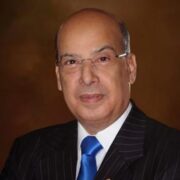
The Commonwealth must work together to end the institutional care of children and reform protection services to ensure: “every child is safe, protected and able to reach their full potential”, the Commonwealth Secretary-General has said.

Her comments came during a roundtable meeting of government officials, stakeholders and experts on Thursday, to discuss the implementation of the Kigali Declaration on Child Care and Protection Reform – one of the four declarations unanimously agreed upon by Commonwealth Heads of Government in Rwanda last June.

The Declaration is a historic agreement among Commonwealth countries that focuses on ensuring and restoring the rights of children following the COVID-19 pandemic, paying particular attention to the most marginalised and excluded.

It contains commitments to phase out orphanages in the Commonwealth and opt for community care of children; to tackle the underlying causes that lead to separation of parents and children, to establish sustainable and effective safeguarding systems and to eliminate child labour in all its forms, including forced labour, trafficking, and sexual exploitation.

Commonwealth Secretary General Patricia Scotland KC, said: “More than five million children around the world still live in institutions. Most of these children are not orphans – around 80% of them have at least one living parent.

“But their institutionalisation disproportionately exposes them to vulnerabilities and marginalisation, which can inhibit their development and life chances.

“The truth is that growing up in a family environment is critical to a child’s well-being and development, and every child is entitled to a happy and fulfilling upbringing under the Convention on the Rights of the Child.”

She added: “This is just one of many areas where the Commonwealth can make a real difference.

“We can all work together to prioritise support for, investment in, and reform of childcare and protection services – to enable children to live without abuse or discrimination of any kind; to enjoy their civil, political, social and cultural rights; and to flourish as equal, valued and productive human beings.

“We cannot afford to fail our children, so we must give their wellbeing the priority it deserves – and act together to ensure that every child in Commonwealth is safe, protected and able to reach their full potential.”

The far-reaching Declaration recognises that child protection and safeguarding are cross-cutting issues that have strong links to the Commonwealth Secretariat’s work on youth, disability, health, education and early childhood development.

Youth-focused action is being given a spotlight in 2023 as it is the Year of Youth – a seminal 12 months designated for the empowerment and inclusion of the 1.5bn under-30s living in the Commonwealth.

The roundtable meeting was set to build a consensus on a focus for the effective implementation of the Declaration and to agree on collabroation between Commonwealth governments and civil society organisations, with the support of the Commonwealth Secretariat.

Other speakers at the meeting included Joseph Kabakeza, First Counsellor from the Rwandan High Commission, Mark Waddington, CEO Hope and Homes for Children – a civil society organisation working with the Rwandan government on the Declaration initiative, and David Jones, Chair of Commonwealth Children Interest Group, Children of the Commonwealth.

Kabakeza said: “The Kigali declaration on Child Care and Protection Reform highlights many of the areas where we must bolster our efforts.

“Rwanda will continue to collaborate with partners, and the Commonwealth network to champion the Kigali declaration, during our tenure as Commonwealth Chair-In-Office and beyond.”

Waddington said: “Eliminating orphanages is a precondition of developing effective child protection and care systems and a key to unlocking the hardest to reach Sustainable Development Goals.

“The Kigali Declaration, agreed at the Commonwealth Heads of Government Meeting in Rwanda in 2022, recognises this imperative for action and places the Commonwealth at the centre of this global movement. Countries across the Commonwealth are demonstrating that care reform is possible and there is much learning and experience to share. Today’s roundtable is an important step.”

Donate At Caribbean News Service, we do not charge for our content and we want to keep it that way. We are seeking support from individuals and organisations so we can continue our work & develop CNS further.


NewsAmericasNow.com
UNAIDS: Punitive and Discriminatory Laws Hindering the End of AIDS in the Caribbean

Black Immigrant Daily News

The content originally appeared on: Caribbean News Service
Dr Richard Amenyah is medical doctor and public health specialist from Ghana. He is the UNAIDS Multi-Country Director for the Caribbean. Send feedback to [email protected] or follow him on Twitter @RichardAmenyah and @UNAIDSCaribbean.

By Dr Richard Amenyah

Socio-cultural and religious norms and archaic policies and laws that criminalise and don’t protect the rights of vulnerable populations contribute significantly to the HIV epidemic in the Caribbean. These societal barriers are fault lines which allow inequalities to widen and fester as a canker.

The Caribbean is the second highest region globally, outside sub-Saharan Africa, where HIV is prevalent. A little under half of people in the region do not show acceptable attitudes to people living with HIV. This is happening within the context of significant progress the region is making in reducing new HIV infections by 28% between 2010 and 2021. AIDS-related deaths reduced by over half in the same period.

Can you imagine how this region would have performed without an environment with punitive laws, stigma and discrimination and gender-based violence?

It is important to identify and address the inequalities that exist in the region by promoting inclusion and respect for diversity. Building a just society involves understanding socio-cultural and gender norms and how they are changing and shaping how we interact to advance our civic, political, and economic rights. These norms, policies and practices affect how people access the services they need to safeguard their health, livelihood, and well-being and, importantly, enjoy their rights.

The Caribbean region cannot end the AIDS epidemic as a public health threat by 2030 without dealing with these societal barriers preventing the region from fulfilling the promise made by its leaders in the 2021 Political Declaration. This is how we build equal and just societies.

The focus of this year’s Zero Discrimination Day, which is observed annually on March 1, is on decriminalization and how it saves the lives of vulnerable and marginalized populations and people living with HIV (PLHIV).

The Joint United Nations Programme on HIV/AIDS (UNAIDS) believes criminal laws targeting key populations and people living with HIV violate their human rights, make them vulnerable, increase their risk to HIV transmission and exacerbate the stigma people face. This put people in danger by creating barriers to the support and services they need to protect their health. These are the key elements of structural inequalities which are unfortunately driving the HIV epidemic globally and therefore preventing people from realizing improvement in their health and wellbeing. The Caribbean is no exception. However, political leaders in the region can lead and show the world how being inclusive is a strength and not a weakness or threat to building an equal and just society committed to ending AIDS as a public health threat.

UNAIDS data show that 134 countries, including six in the Caribbean, still explicitly criminalize or otherwise prosecute HIV exposure, non-disclosure, or transmission. Twenty countries criminalize and/or prosecute transgender persons. Data show as well that 153 countries, including 14 countries from the Caribbean, criminalize at least one aspect of sex work and sixty-seven countries, including eight in the region, that criminalize consensual same-sex sexual activity. Furthermore, forty-eight countries, including five countries in the Caribbean, still place restrictions on entry into their territory for people living with HIV while 53 countries report that they require mandatory HIV testing, for example for marriage certificates or for performing certain professions. Finally, 106 countries require parental consent for adolescents to access HIV testing. All Caribbean countries apart from Guyana require parental consent for HIV testing. These legal and policy barriers are making it difficult for the world to close the chapter on the AIDS epidemic.

World leaders made a promise to address these difficult issues by agreeing for the first time to achieving the “10-10-10 targets.” They made a commitment that by 2025 less than 10% of countries would have punitive legal and policy environments that affect the HIV response; less than 10% of countries reporting stigma and discrimination against key populations and persons living with HIV and finally less than 10% of countries report gender-based violence against women and girls.

As we celebrate Zero Discrimination Day under the theme ”Save lives: Decriminalize”, we are reminded of these commitments. Punitive and discriminatory laws across the region are harmful, they help to strip people living with HIV and key populations of their rights and are inimical to accelerating the end of AIDS as a public health threat in the region. UNAIDS therefore calls on all Caribbean governments to re-commit to the principles of rights and take steps to fulfil their obligations to protect and promote human rights for all.

The Caribbean region can end the AIDS epidemic by improving the human rights environment through legal and policy reforms to respect, protect and fulfil the rights of vulnerable key populations and persons living with HIV to enhance access to critical health services they need. This is the pathway to building an equal and just society and to leave no one behind.

Donate At Caribbean News Service, we do not charge for our content and we want to keep it that way. We are seeking support from individuals and organisations so we can continue our work & develop CNS further.


NewsAmericasNow.com
STDF, IICA launch project to promote reduced pesticide residue in agricultural exports from 12 LAC countries

Black Immigrant Daily News

The content originally appeared on: Caribbean News Service
Maracuja in RIVERA . Department of Huila. COLOMBIA

The Standards and Trade Development Facility (STDF) and the Inter-American Institute for Cooperation on Agriculture (IICA) launched a project to promote the use of biopesticides and integrated pest control options on crops exported from Latin America and the Caribbean (LAC), with a view to improving compliance with pesticide Maximum Residue Limits and facilitating international agricultural trade.

The project–Mitigating Pesticide Residues in Latin America Using Biopesticides–will be implemented over a three-year period in Argentina, Bolivia, Colombia, Costa Rica, Dominican Republic, Ecuador, El Salvador, Guatemala, Honduras, Nicaragua, Paraguay and Peru.

An investment of more than US$1.8 million will fund the project, which is aiming to improve product access to international markets, by mitigating chemical residues through the use of biopesticides at the end of the crop growth cycle, thereby complying with established global trade standards.

It was developed to support the establishment of a regional training center on pesticide residue and biopesticides, as well as to develop soft skills. It is also aiming to assist countries to develop harmonized regulations on biopesticides at the regional level; to generate data on residues; and to improve knowledge on how to interpret the resulting data (residue mitigation studies).

Its implementation will include the development of a regional strategy to improve the supply of phytosanitary products for minor crops and the creation of a communication program to promote the use of biopesticides among farmers.

The project was launched virtually, enjoying the participation of technical officers from the region’s phytosanitary services and from research and extension institutions in 10 of the 12 countries, in addition to representatives from private sector entities involved in the initiative and other strategic partners.

Catalina Pulido, Economic Affairs Officer of the Fund, maintained that, “This project addresses an issue that we consider to be very important: residue mitigation in order to abide by maximum limits and therefore to access international markets, which speaks to the purpose of the STDF itself”.

“Global trade and food value chains are continuously expanding, hand in hand with safety requirements for food products”, she remarked. There is also growing evidence of the speed in which pests and animal diseases can cross borders and create damage and of the negative effects of phytosanitary capacity limitations on exports, employment and economic development”.

On the other hand, Ana Marisa Cordero, Manager of IICA’s Agricultural Health, Safety and Agrifood Quality program, remarked that, “We hope to achieve the stated objectives, promoting more and better tools for our agriculture sector. We thank the STDF for selecting IICA as a strategic partner for this project, which we will develop with the countries, aiming to facilitate food trade and to generate and adopt new, modern, science-based standards”.

Project beneficiaries will include selected producers and exporters, biopesticide manufacturers, the official regulatory sector and extension institutions in the 12 participating countries”.

IICA will execute the project with the support of the Minor Use Foundation (MUF); the United States Department of Agriculture (USDA); the Interregional Research Project No. 4 (IR-4), which is the agricultural program of the USDA’s Cooperative State Research, Education and Extension Service (CSREE); the National University of Colombia (UNAL); the University of Buenos Aires (UBA) and the University of Costa Rica.

Private sector partners include CropLife, Avance Pasiflora, Bioprotecci?n Global and the Colombian Association of Bioinputs (Asobiocol).

“This is a most ambitious project and we must work together to move it forward”, stressed Adriana Casta?eda, manager of the project.

Donate At Caribbean News Service, we do not charge for our content and we want to keep it that way. We are seeking support from individuals and organisations so we can continue our work & develop CNS further.


NewsAmericasNow.com