Posts

Anguilla Joins Blue Belt Initiative to Promote Inclusive Sustainable Ocean Economy

Black Immigrant Daily News

The content originally appeared on: Caribbean News Service
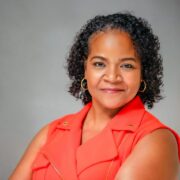
Quincia Gumbs-Marie.

Anguilla’s official announcement will seek to respond to marine challenges, manage their coastal and marine resources to spur economic growth and reduce poverty, while adapting to the effects of climate change.

The Government of Anguilla officially announced becoming the latest member to join the UK’s Ocean Conservation Programme Blue Belt initiative. Minister Quincia Gumbs Marie, Minister of Sustainability, Innovation & the Environment made the announcement at the Blue Belt ceremony during the official visit of the UK Minister for the Overseas Territories, Lord Goldsmith.

The UK’s Ocean Conservation Programme Blue Belt initiative seeks to steer progress by addressing the greatest challenges facing the world’s ocean today, coastal management, biodiversity loss, and plastic pollution.

The announcement was accompanied by a conservation tour of the island, attended by several dignitaries, and prominent figures, including Lord Goldsmith of Richmond Park, Minister for Overseas Territories, Commonwealth, Energy, Climate and Environment at the Foreign, Commonwealth & Development Office (FCDO).

By joining the Blue belt initiative, Anguilla demonstrates its commitment to biodiversity, the Blue economy and sustainable management of its marine resources and aims to become the most sustainable island in the region.

Speaking at the ceremony, Quincia Gumbs-Marie, Minister of Sustainability, Innovation & the Environment at the Government of Anguilla said:

“By joining the Blue Belt Anguilla is demonstrating our commitment to improve the governance of marine and coastal ecosystems, achieve equal economic opportunities and restore and conserve biodiversity. This also signals a major step forward in the decade old aspiration to invest in Anguilla’s Exclusive Economic Zone (EEZ), which is crucial to the economy of island states and showcase how Anguilla can maximise the benefits of sustainably managed oceans. Our management efforts will include monitoring including illegal, unregulated and unreported fishing in Anguillan waters, training for our stakeholders, and support for the establishment of sustainable fisheries. The work of this programme will be in consultation with all stakeholders of our seas to ensure the vision of sustainable development by way of the blue economy is realised. This announcement and this programme are a great opportunity to harvest economic benefits and propel Anguilla’s leading role in the sustainable usage of ocean resources for economic growth, improvement of livelihoods, and preserve the health of the ocean ecosystem.”

Lord Goldsmith of Richmond Park, Minister for Overseas Territories, Commonwealth, Energy, Climate and Environment at the Foreign, Commonwealth & Development Office (FCDO) added “We have done terrible harm to the world’s ocean, from plastic pollution and overfishing to extraction and climate change. And we are just beginning to understand the ocean’s critical importance to life on earth – to the air we breathe, global food security and as a giant carbon sink. So, it is crucial that we do everything in our powers to protect the ocean, and Anguilla’s decision to join our Blue Belt Programme is a hugely welcome part of that. With the commitment agreed at the CBD COP15 in Montreal to protect 30% of the world’s land and sea by 2030, programmes such as these will be essential.”

Anguilla’s aim is to be perceived as a model for the Blue economy due to its approach to conservation, sustainable fisheries and outstanding marine protected areas system. The initiative is part of a series of new innovations launched by the Government of Anguilla which aim to deliver inclusive and sustainable Blue Economic growth across the island-state.

Quincia Gumbs-Marie, Minister of Sustainability, Innovation & the Environment at the Government of Anguilla further noted: “This is an opportunity to emphasise the enormous potential of Anguilla’s marine economy which, if utilised optimally, will increase employment, productivity, and added value to the economy, creating new job opportunities, improving livelihoods and impacting the next generation”

This announcement is also expected to promote global collaboration and contribute to the global transition towards a more sustainable ocean.

Donate At Caribbean News Service, we do not charge for our content and we want to keep it that way. We are seeking support from individuals and organisations so we can continue our work & develop CNS further.


NewsAmericasNow.com

FREE ARTICLE: Haiti at the tipping point of becoming fully hostage to criminals

Black Immigrant Daily News

The content originally appeared on: Caribbean News Service
The writer is Antigua and Barbuda’s Ambassador to the U.S. and the OAS. He is also a senior fellow at the Institute of Commonwealth Studies at the University of London and at Massey College in the University of Toronto. The view expressed are entirely his own.

By Sir Ronald Sanders

Haiti continues to occupy the concerns of nations around the world, especially its closest neighbouring states.

Those in charge of the Haitian Government have called for “effective support” from international partners “in the form of the immediate deployment of a specialized armed force of sufficient strength to stop, throughout the country, the humanitarian crisis that has been caused by, among other things, the breakdown in security resulting from the criminal actions of armed gangs and their sponsors”.

But others in the Haitian community insist that the Haitian authorities share the blame for the country’s rapid deterioration. They are not convinced that, even if it were possible, an intervening military force is the answer to Haiti’s deep seated and long-lasting woes.

Everyone is united in the view that more than 200 gangs now effectively control 60 per cent of the Capital, Port -au-Prince and about 80 per cent of the entire country, and that action is required to end their reign of terror. However, how to end the rule of the gangs remains an issue within Haiti and among its very large diaspora community. Some favour armed intervention by external forces but without any clear definition of the terms under which this would be accomplished. Others resist the notion of any intervention by external forces.

Among the latter is The National Human Rights Defence (RNDDH) group, which states that the “request for military intervention was produced by the de facto government (of Prime Minister, Ariel Henry) without any form of legitimacy (and) with its own objectives which seem to be to keep the PHTK (Henry’s political party) in power until the completion of the elections which they will organize with, in addition, the ability to manipulate the biometric data of citizens, that is, the electoral data”.

Prime Minister Henry has managed to garner support for a “National Consensus for an inclusive transition and transparent election”. On December 21, Henry’s government and some representatives of the private sector, other political parties and civil society organizations signed a document, committing to this transition. But participation was not fully inclusionary and key stakeholders were either omitted or omitted themselves. Therefore, while Haiti’s international partners acknowledge the benefit of the commitment and the formation of a High Council for the Transition (HCT), they are concerned that the body is not inclusionary enough to represent a national consensus. Further, the past record in Haiti of abandoning agreed positions, resulting in even wider discord, does not encourage confidence that a limited HCT will survive or that its decisions will be respected.

In a letter to the President of the United Nations Security Council (UNSC) on October 8, 2022, the UN Secretary-General, Ant?nio Guterres, recognizing that the 5 permanent members would not agree to UN military intervention in Haiti, proposed two approaches. First, “A group of Member States, acting bilaterally at the invitation of the Government of Haiti, could establish a special force to support the Haitian National Police in tackling gangs, including through joint strike, isolation and containment operations across the country”; and second, “The Security Council could welcome such a special force, the viability of which would be strengthened by the existence of broad political and social support for its deployment and a meaningful agreement between the Government and the opposition on a political way forward for Haiti”.

Neither of these proposals were pursued. No country, including the U.S. is anxious to commit forces to Haiti, outside of an agreed multi-national expedition. Further, there is still not in Haiti the kind of “broad political and social support” for the deployment of an external force. And despite the accord of December 21, 2022, and the creation of a limited HTC, there is, as yet, no “meaningful agreement between the government and the opposition on a political way forward”.

This situation in Haiti is made even more complex by the overarching power of the criminal gangs. One academic, C?sar Ni?o, an associate professor and researcher at Universidad de la Salle in Colombia, writes that “the criminal gangs managed to make alliances with the police and security, thus enabling kidnapping, human trafficking, the flow of weapons, and other crimes while minimizing the consequences”. The Haitian Human Rights Group (RNDDH) goes even further, pointing to “ongoing and repeated connections between state authorities and armed gangs”.

Added to this are the following undisputed facts. The country has no legislature and no body overseeing the government; the Supreme Court is dysfunctional (its members must be approved by the parliament which does not exist) and it has lost a third of its members.

Amid all this, the people of the country are suffering. Research shows that five million people currently experience food insecurity across the country; reported kidnappings soared to more than 1,200 last year, more than double the number in 2021, according to the U.N.; and there were 2,200 homicides in 2022, a dramatic increase over 2021.

The issue that confronts the international community in its desire to be helpful to Haiti is both the lack of meaningful, inclusionary dialogue and a genuine national consensus on the way forward within Haiti, as well as no clear terms under which external forces would be invited into Haiti and by whom; how would such a force be organized and financed; under whose authority would it function and with what mandate and immunity.

In the meantime, it should be acknowledged that the U.S. and Canada are deploying logistical assistance to the Haitian National Police. In the circumstances, it is better than doing nothing.

However, no one should lose sight of the fact that, apart from dictatorships in Haiti, two countries bear the greatest responsibility for that country’s condition – France and the U.S. Outside of an agreed multinational military intervention, they should use their considerable influence within Haiti to encourage national consensus on their path forward, including how to deal with the criminal power of the gangs.

CARICOM Heads of Government meet in their regular session in The Bahamas from February 15 to 17. Undoubtedly, Haiti will be on their agenda. They will have to consider the ways in which they can act to be helpful to the people of Haiti within the limits of their capacity.

Donate At Caribbean News Service, we do not charge for our content and we want to keep it that way. We are seeking support from individuals and organisations so we can continue our work & develop CNS further.


NewsAmericasNow.com

Actor Nixon Cesar honours Haitian immigrant roots with new role in Arthur Miller’s The Hook

Black Immigrant Daily News

The content originally appeared on: Caribbean News Service

Haitian American actor Nixon Cesar has joined the cast of the upcoming stage production of Arthur Miller’s The Hook, which will be produced in Red Hook, Brooklyn by the Brave New World Repertory Theatre in June of this year.

The Hook is playwright Ron Hutchinson’s stage adaptation of an unproduced screenplay of the same name written by Miller in 1947 and retrieved from among his manuscripts after his death. Set on the ship docks of Red Hook, the play examines the life and death struggle for survival on the waterfront, where the ever-present danger to the workers and their families comes both from the job itself and the mafia gangsters who control the docks.

In an inspired site specific staging, the production- directed by Brave New World Artistic Director Claire Beckman- will utilize the gangway and the barge of The Waterfront Museum moored in Red Hook as the stage. Production notes state that Beckman hopes the immersive setting will viscerally capture the fight for human dignity that is the central theme of the play.

Cesar signed on to the project earlier in February and will play the role of Enzo, a Haitian born longshoreman who immigrates to the United States with his wife Loretta (Celeste Muniz) and family in search of a better life, only to then encounter racism and rife corruption on the piers. For the Brooklyn based actor, who was himself born in Haiti and immigrated to the USA at age 2, his participation in the much anticipated production represents a full circle moment.

As Cesar puts it, “My father Gerald Cesar came to the United States from Haiti in the late 1960s to work as an underwater welder at the Brooklyn Navy Ship Yard. He was one of only two black men who worked there at the time. Like the character I play in The Hook, my father also came to this country determined to improve the lives and the future of his family. He used to take me to the docks with him sometimes when I was a little boy, and show me what he did and how things worked. So the fact that I now get to be part of this story, living through many of the experiences my dad would have had, feels kind of surreal.”

Cesar’s father eventually retired from his job at the docks following a serious accident which resulted in him being burnt on over 80% of his body. Cesar still recalls the pride with which his father would reflect on his days as a dockworker, and the dignity it brought him to know that his work in his adopted country mattered- that he was making a difference.

Cesar also pays tribute to Brave New World Artistic Director Beckman, who took the artistic decision to cast Cesar’s character Enzo as a man of color and a Caribbean immigrant.

“In the original script all the dock workers are Irish or Italian,” Cesar says, “But Claire felt that this production needed to reflect the full, multicultural humanity of the immigrants who would have been on the waterfront at the time. I will get to use some of my Haitian creole in my dialogue also, so for me this is an opportunity to explore and showcase my own Caribbean roots and my Haitian immigrant experience. Signing on for the project during Black History Month feels to me even more significant…As though the stars have aligned for me to be returning to the stage to tell this particular story at this particular time.”

Cesar studied acting at The Lee Strasberg Institute and began his career in theater, making his Off Broadway debut in the romantic comedy Love and Marriage and New York City written by David Heron and directed by Woodie King Jr. at the Billie Holiday Theater. Along with his cast members, he earned an Audelco Award nomination for his performance. His last stage appearance was in writer- director Paul Calderon’s Master of The Crossroads at The Bridge Theater.

In recent years he has focused primarily on film and television, appearing in films such as Ramsey– currently streaming on Amazon, Hulu and other platforms- as well as Grown, written and directed by New Amsterdam actor Jocko Sims, and which will premiere later this year at the South by Southwest Film Festival.

He is scheduled to start shooting the independent feature Black Heart in the early spring.

The cast of The Hook also includes Paul Bomba, John Edmond Morgan, Matt Biagni and Craig A. Grant among others.

Additional production information will be released in due course.

Donate At Caribbean News Service, we do not charge for our content and we want to keep it that way. We are seeking support from individuals and organisations so we can continue our work & develop CNS further.


NewsAmericasNow.com

Winward Islands Food Production and Trade Corridor set to go

Black Immigrant Daily News

The content originally appeared on: Caribbean News Service

Over 50 stakeholders, government representatives and regional partners participated in the launch of a two-year regional cluster of projects on Promoting Windward Islands Food Production and Trade Corridor through National and Regional Value Chain Development, held virtually on February 3, 2023.

The cluster of projects, being carried out in the islands of the Commonwealth of Dominica, Grenada, Saint Lucia and St. Vincent and the Grenadines, are being implemented by the Food and Agriculture Organization of the United Nations (FAO) in collaboration with the respective Governments.

During the launch, discussions centred on the need for creating a collaborative environment that encouraged the growth and profitability potential for several commodities by building resilient, competitive, and sustainable value chains in each country. Unwavering support from each country to achieve these outcomes, that would replace food imports and improve production to ensure greater export potential to domestic and foreign markets, was highly emphasized. This was met by strong agreement and commitment from the Ministers of Agriculture and regional partners on their crucial role in ensuring the success of the initiative that is already under implementation.

Minister of Agriculture, Forestry and Fisheries of St. Vincent and the Grenadines, Saboto Caesar, remarked that there was a need for a broad consolidated marketing platform, like the previous Windward Islands banana industry, to create the economies of scale and scope to move commodities collaboratively through the Islands to exporters and harness the opportunities in extra-regional markets. He added that the initiative being launched was the first step in rebuilding such a consolidated platform and network within the Windward Islands, with plans over time to expand this initiative to other OECS countries. Minister Caesar highlighted some of plans underway in St Vincent and the Grenadines to support these efforts. He concluded that while FAO will create an enabling environment for the development of these agricultural industries that will promote food security and nutrition security, it will be imperative for each government to take onus of the initiative and find additional resources to support the development of their industries and exports.

Minister of Agriculture and Lands, Fisheries and Cooperatives of Grenada Adrian Thomas, shared some of the plans and partnerships already underway to support the initiative. He added that Grenada welcomed the initiative that would also greatly benefit their farmers, especially with the country’s renewed energy to rebuild the agriculture sector following the devastating impacts of Hurricane Ivan and the impacts of COVID-19. He emphasised the country’s attention to root crop production and building agri-businesses to be better positioned to compete with processed imports and on the global markets. He concluded that Grenada was prepared to work with other Winward Island countries to transform the whole agricultural sector and increase exports.

Roland Royer, Minister of Agriculture, Fisheries, Blue and Green Economy of the Commonwealth of Dominica endorsed the country’s participation in the initiative and noted that Dominica was ready to continue efforts in developing its value chains.

The countries commended FAO on this visionary initiative that would be catalytic in its results, with the full cooperation of governments and partners.

Stephen Fevrier, from the Organisation of Eastern Caribbean States (OECS) Commission confirmed the organization’s full support for this timely and innovative initiative and congratulated the region on coming together on this important endeavour.

Similar remarks were shared by Mr Gregg Rawlins from the Inter-American Institute for Cooperation on Agriculture (IICA), who confirmed the agency’s full commitment and support to the initiative and welcomed the commitment of the member countries. He highlighted that IICA was ready to engage in discussions that would lead to the alignment of its work with efforts under the cluster of projects.

The remarks from the governments and partners echoed the sentiments of FAO Sub-regional Coordinator, Dr Renata Clarke in ensuring that other regional projects and initiatives worked together to support the countries in boosting local production, creating jobs, supporting livelihoods, and increasing exports. She acknowledged the transformative impact that collaboration between the countries and regional partners such as IICA, the OECS Commission and the Caribbean Agricultural Research and Development Institute (CARDI) could have on these efforts.

Over the coming weeks, individual rapid value chain assessments and upgrading strategies will be carried out among stakeholders in each country, with on the ground implementation to follow immediately.

Donate At Caribbean News Service, we do not charge for our content and we want to keep it that way. We are seeking support from individuals and organisations so we can continue our work & develop CNS further.


NewsAmericasNow.com

The UWI co-hosts Commonwealth Science Conference with The Royal Society

Black Immigrant Daily News

The content originally appeared on: Caribbean News Service

The University of the West Indies (The UWI) is co-hosting the Commonwealth Science Conference (CSC) (Caribbean edition) with The Royal Society from February 7-9.

The closed conference is being held at The Jamaica Pegasus under the overall theme of ‘Science For A Resilient Future’.

The Royal Society is a self-governing Fellowship of some of the world’s most distinguished scientists drawn from all areas of science, engineering, and medicine.

The Conference meetings take place over three days (February 7-9) and are divided into three streams, broadly defined as ecosystems, energy systems and societal systems. Each stream has a programme of live talks followed by discussion sessions with speakers. There is also the opportunity for plenary talks, panel discussions, a poster session, and informal networking opportunities.

ProVice-Chancellor and Principal of The UWI Mona Campus Professor Dale Webber delivered remarks during the opening ceremony and conference attendees will hear from experts from around the world including UWI climate specialist, Professor Michael Taylor, who will present in the first session addressing eco-systems. Following the Climate Resilient Caribbean Renewable Energy systems, Vice-Chancellor of The UWI, Professor Sir Hilary Beckles will be addressing the attendees on February 8 on ‘The link between colonialism, racial inequality and injustice in how climate change is experienced by citizens of small island states in the Caribbean’.

Also scheduled to present during the Social Systems Session sub-themed ‘Interrogating Inequalities In Policing And Prisoner: Reintegration’ is Dr Dacia Leslie, Research Fellow at the Sir Arthur Lewis Institute of Social and Economic Studies (SALISES). In the ‘Science In The Media’ session, Jamaican Author and Journalist, Petre Williams-Raynor will share her insights on media coverage on science-related matters. She will be joined by UWI Mona alum, Dr Czerne Reid, Senior Lecturer at the University of Florida and a lifetime Fellow of the American Association for the Advancement of Science, cited for distinguished contributions to the communication of science.

Attendees will also participate in pre-conference tours related to the conference theme organized in partnership with UWI Solutions for Developing Countries (SODECO) and the Jamaica Public Service (JPS) electricity company.

Speaking to the importance of this gathering, Professor Sir Robin Grimes, Foreign Secretary of the Royal Society, noted “Climate change is one of the biggest challenges we face today, and finding solutions requires a global effort. As the third Commonwealth Science Conference outlined, we need to work together to build resilience, not only in our ecosystems and energy systems, but also in our societal systems.”

Professor Terrence Forrester, Chief Scientist at UWI SODECO, who together with Professor Grimes led the development and planning of the conference, agrees. He also notes that “Integral to the future resilience of the Caribbean will be a cadre of experts who can analyse the multi-dimensional nature of the challenge posed by climate change and propose innovative solutions.”

Flowing directly from the 2021 virtual CSC, the Caribbean follow-on meeting is designed to re-convene outstanding early career researchers (ECRs) that participated in the CSC from across the UK and the Caribbean. The objectives of the conference are to build on and strengthen the scientific ties and networks previously formed at the CSC; to provide opportunities to continue discussions on the thematic areas and critical global challenges explored, and to equip delegates with the tools and experience required to bring their research findings to the heart of policy-making.

“We look forward to re-convening the outstanding early career researchers from across the UK and the Caribbean to share their ideas and experiences as they continue discussions around these key themes. We cannot lose momentum. Importantly, we need to equip this next generation of researchers with the tools and skills they need to bring their findings to the heart of global policy, to help drive the scientific innovation needed to face the critical challenges that affect us all.” Professor Grimes, said.

Other UWI academics chairing or speaking during the conference include Dr Legena Henry from The UWI Cave Hill Campus, Dr Jayaka Campbell and Dr Rose-Ann Smith from The UWI Mona Campus, Dr Wendell Wallace, Dr Luke Rostant, and Dr Amy Deacon from The UWI St Augustine Campus as well as Professor Corin Bailey from The UWI Centre for Criminal Justice and Security.

Donate At Caribbean News Service, we do not charge for our content and we want to keep it that way. We are seeking support from individuals and organisations so we can continue our work & develop CNS further.


NewsAmericasNow.com

Grenada Benefits from Integrated Biomedical Waste Management Training under the OECS Regional Health Project

Black Immigrant Daily News

The content originally appeared on: Caribbean News Service

The Ministry of Health, Wellness and Religious Affairs in Grenada, conducted a training workshop on Integrated Biomedical Waste Management for managers and health administrators. This training was funded by the World Bank, under a Project entitled, Organisation of Eastern Caribbean States Regional Health Project.

The Project is focused on health system strengthening in the Region by supporting improvements in health facilities and laboratory capacities, strengthening public health surveillance and emergency management, institutional capacity building, project management and coordination, and contingency emergency response.

The workshop was held on January 11, 2023, in St. George’s, Grenada. The aim was to enhance awareness and build capacity among key stakeholders in the health sector on the policies, procedures and practices regarding the safe handling and disposal of biomedical waste in health facilities.

Fifty-four (54) representatives from Government Ministries, the Solid Waste Management Authority of Grenada and managers of local waste management companies are now better equipped to implement biomedical waste management practices. This translates to the implementation of strategies to ensure that health facilities are compliant and environmentally responsible, uphold environmental safety measures that protect both staff and patients, and improve operational efficiency and overall health.

Regional and international partners such as the OECS Commission, the Caribbean Public Health Agency (CARPHA) and the World Bank, also attended the workshop. It was facilitated under the technical guidance of Dr. Martin Forde, Consultant, Biomedical Waste Management.

At the conclusion of the workshop, participants were trained to:

explain the intent of the establishment of a biomedical waste management system
describe international regulations that govern the handling of biomedical waste
understand the areas of biomedical waste management generation, segregation, storage and collection, transportation and treatment, and final disposal
identify approaches to waste minimisation
conduct a medical waste analysis

Donate At Caribbean News Service, we do not charge for our content and we want to keep it that way. We are seeking support from individuals and organisations so we can continue our work & develop CNS further.


NewsAmericasNow.com

UN Secretary-General’s statement on Earthquake in T?rkiye and Syria

Black Immigrant Daily News

The content originally appeared on: Caribbean News Service

The earthquake that struck T?rkiye and Syria is one of the biggest natural disasters in our times.

Just hours ago, the first United Nations convoy crossed into northern Syria through the Bab al-Hawa crossing. It included 6 trucks carrying shelter and other desperately needed relief supplies.

More help is on the way, but much more, much more is needed.

We have all seen the heart-wrenching images and the heroic efforts of humanitarians battling the elements, the clock and the odds to save lives.

We mourn the loss of so many – and the tragic toll keeps growing.

Thousands of buildings have collapsed.

Tens of thousands of people are exposed to unforgiving winter conditions.

Schools and hospitals have been destroyed.

Children are enduring terrible trauma.

And we are sadly aware that we haven’t yet seen the full extent of the damage and of the humanitarian crisis unfolding before our eyes.

When I see the images, I see people and places I know well.

This has long been a region of support for refugees and displaced people.

As High Commissioner for Refugees, I traveled to the area many times.

I will never forget those visits.

T?rkiye is home to the largest number of refugees in the world and has shown unparalleled generosity to its Syrian neighbors.

Indeed, up to 3.6 million Syrians have lived in T?rkiye for more than a decade. Many of them are now victims of the earthquake

I also have been to Aleppo and met Syrians who warmly welcomed Iraqi refugees fleeing violence and war – integrating them into their society. There was more than one million Iraqi refugees in Syria. They were not in camps. They were received by the communities and integrated into community life in enormous generosity.

On my visits, I was deeply moved by the solidarity of people who opened their homes and their hearts.

Now those homes have been destroyed and those hearts are breaking.

A centre of solidarity is now an epicentre of suffering.

People are facing nightmare on top of nightmare.

The earthquake struck as the humanitarian crisis in northwest Syria was already worsening, with needs at their highest level since the conflict began.

The United Nations has done its best to race to respond.

We are deploying disaster assessment experts; coordinating search and rescue teams; providing emergency relief, food, medical supplies, thermal blankets and other life-saving items.

And we are committed to doing much more.

That is why I have asked Under-Secretary-General for Humanitarian Affairs and Emergency Relief Coordinator Martin Griffiths to travel to areas affected by the earthquake this weekend.

He is already in T?rkiye. He will visit Gaziantep, Aleppo and Damascus to assess needs and see how we can best step up our support.

To provide this assistance, we will need two things:

First, access.

Roads are damaged.

People are dying.

Now is the time to explore all possible avenues to get aid and personnel into all affected areas.

We must put people first.

Second, resources.

The humanitarian response – the Syria humanitarian fund and the Syria cross-border fund – need an urgent injection of support.

They are the best options to enable the UN and its humanitarian partners to rapidly respond to people in need.

We have released $25 million from the UN’s Central Emergency Response Fund to jumpstart the response.

By early next week, we will launch a Flash Appeal for donor support for those affected by the earthquake in Syria.

As we speak, UN agencies – along with international and national NGOs are working on the Syria response – and assessing their initial funding requirements for the next three months.

These resources will be used by the humanitarian community for critical aid: shelter, health, nutrition, water, sanitation, hygiene, education, protection and psychosocial support services.

We are also ready to support the Turkish government’s response in any way we can.

In the face of this epic disaster, I strongly appeal to the international community to show the people of T?rkiye and Syria the same kind of support and generosity with which they received, protected and assisted millions of refugees and displaced people in an enormous show of solidarity.

Now is the hour to stand up for the people of T?rkiye and Syria.

Thank you.

Q: I have two questions: the first, do you think that there should be more border crossings opened, beside Bab el Hawa? And the second question, do you believe that the Security Council should issue a statement about the subject, should discuss the subject? Do you have any comments on that? Do you have any recommendations to them?

SG: This is the moment of unity, not to politicize or to divide, but it is obvious that we need massive support, and so I would be of course very happy if the Security Council could reach a consensus to allow for more crossings to be used, as we need also to increase our capacity to deliver on crossline operations into Idlib from Damascus.

Q: The Syrian Government, Secretary-General, is saying that all aid should go through Damascus and it all should be crossline. Do you think crossline is enough now?

SG: Crossline is very important; we should do everything we can in crossline, but disaster has such proportions that we need both crossline and cross-border to intensify all forms and my appeal is for this question not to be politicized and this is a moment in which we all must be together to support people in need. And people that, as I said, have been so generous when supporting others, as both Syrians and Turkish have been in the past with refugees from Syria in T?rkiye and from Iraq in Syria.

Q: Thank you. What do you see as the greatest obstacles to access right now, and have you asked the Syrian Government to allow more cross-border?

SG: Well, first of all, as I said, the first convoy already crossed, which means that we are moving. And as I said, many non-UN relief agencies are already delivering through other crossings, so this also needs to be taken into account. As I said, I would be very happy if in relation to the UN, there will be the possibility to do it also in as many crossings as possible.

Q: Secretary-General, do you think the unilateral coercive measures should be lifted in the wake of the earthquake to mobilize more resources? And what’s your… you have talked with the Syrian Permanent Representative here. What is his view on this earthquake?

SG: This is a moment in which everybody must make very clear that no sanctions of any kind interfere with relief to the population of Syria in the present moment.

Q: SG, are you disappointed in how slow it’s been getting aid in, and not all because of the earthquake but some of it because of government red tape?

SG: It’s not for me to criticize others, because in a moment like this, we all struggle to do our best. What I can tell you is that we are doing our best to be able to support everybody in it.

Q: Secretary-General, one more please. I saw stats from OCHA this morning that only five percent of reported sites in northwestern Syria are currently being covered by search and rescue teams. I wonder, with a statistic like that, what are the broader takeaways for the international community when you have a crisis like a manmade conflict like the war in Syria collide with mother nature’s fury – I wonder what that says about the prioritization that needs to happen in terms of the UN’s development agenda.

SG: My appeal to all the international efforts that have been made in relation to rescue and we have teams to do rescue in the region, my appeal is for them to be able to do their job both in T?rkiye and in Syria.

Donate At Caribbean News Service, we do not charge for our content and we want to keep it that way. We are seeking support from individuals and organisations so we can continue our work & develop CNS further.


NewsAmericasNow.com

Bridging Gender Digital Divide is Critical to Achieve Women’s Autonomy, Substantive Equality in region

Black Immigrant Daily News

The content originally appeared on: Caribbean News Service

Women’s Affairs Ministers and other government authorities, along with representatives of the United Nations, international organizations and civil society, called today for bridging the gender digital divide in Latin America and the Caribbean to achieve women’s autonomy and substantive equality in a scenario of multiple crises that require bold and transformative solutions.

They did so during the 64th Meeting of the Presiding Officers of the Regional Conference on Women, which is being held virtually this Wednesday, February 8 and Thursday, February 9, 2023.

The gathering is focused on examining the actions planned for implementing the Buenos Aires Commitment, approved last November at the XV Regional Conference on Women in Latin America and the Caribbean, and on carrying out a Special Regional Consultation Session prior to the 67th session of the Commission on the Status of Women (CSW), which has the main theme this year of “Innovation and technological change, and education in the digital age for achieving gender equality and the empowerment of all women and girls.”

The meeting was inaugurated by Jos? Manuel Salazar-Xirinachs, Executive Secretary of the Economic Commission for Latin America and the Caribbean (ECLAC); Mar?a-Noel Vaeza, Regional Director for the Americas and the Caribbean of the United Nations Entity for Gender Equality and the Empowerment of Women (UN Women); Ayel?n Mazzina, Minister for Women, Gender and Diversity of Argentina, in her capacity as Chair of the Presiding Officers of the Regional Conference on Women; and Mar?a del Carmen Squeff, Ambassador and Permanent Representative of Argentina to the United Nations and Vice-Chair designate of the Latin American and Caribbean States Group on the Bureau for the 67th session of the Commission on the Status of Women (CSW67).

In his remarks, Jos? Manuel Salazar-Xirinachs applauded the recent creation of new mechanisms for women’s advancement in the region, particularly the new Ministry of Women in Brazil, the Ministry of Women’s Affairs and Human Rights in Ecuador and the Ministry of Equality in Colombia. “This progress undoubtedly contributes to strengthening the region’s institutional framework and gender architecture and to promoting gender equality policies and the rights and autonomy of women in all their diversity,” he said.

“In light of the development crisis and the palpable gender inequality that persists in our region, we need bold solutions. Some of these solutions are in the Buenos Aires Commitment,” ECLAC’s highest authority emphasized, warning that “there is a gender digital divide that leaves women and girls out of strategic areas of education, technological innovation and labor market insertion.”

The secondary education completion rate of women is 6.1 percentage points higher than that of men in Latin America and the Caribbean. However, achievements such as these obscure unequal gender patterns by subject area. In higher education, gender gaps become evident in the fields of science, technology, engineering and mathematics (STEM).

In the majority of the region’s countries, the proportion of women graduates of STEM studies does not exceed 40%. The most critical fields are engineering, industry and construction (with female participation of 30.8% in higher education enrollment in 2019) and Information and Communication Technologies (ICTs), with women’s participation of 18% in higher education enrollment that same year.

In addition, it is estimated that 4 out of every 10 women in Latin America and the Caribbean have no connection and/or cannot afford effective connectivity (access to the Internet, availability of devices and basic skills for their use).

In the Buenos Aires Commitment, Jos? Manuel Salazar-Xirinachs recalled, the governments committed themselves to “promoting intersectoral public policies that include affirmative action to foster women’s and girls’ participation, continuation and completion of education in the spheres of science, technology, engineering and mathematics.”

Meanwhile, Mar?a-Noel Vaeza of UN Women emphasized that “the CSW67 offers an extraordinary opportunity to shape a future in which technology would contribute to transforming social norms, amplifying women’s voices, ending online harassment, impeding the perpetuation of algorithmic prejudices, strengthening women’s economic autonomy and equitably distributing the benefits of digitalization in order to achieve the Sustainable Development Goals (SDGs). It is up to us to ensure that the digital revolution contributes to women enjoying full political, economic and social equality, and to prevent it from widening preexisting gender gaps or generating new inequalities.”

Minister Ayel?n Mazzina affirmed that “the gender and diversity agenda is a priority issue for Argentina” and called for addressing digital inequalities. “We have to distribute care to create more training and labor market insertion opportunities for women and diverse identities, so more women can work in dynamic sectors, such as science and technology. It is necessary to break with the stereotypes that make girls believe they’re not good at learning math or hard sciences. We have to strengthen the foundations of a more egalitarian society and get gender-based violence out of homes, out of politics, out of Twitter and all digital spaces,” she declared.

Ambassador Mar?a del Carmen Squeff agreed that “ICTs offer a vast quantity of benefits, as we were able to appreciate during the COVID-19 pandemic, but it is also a space in which gender inequalities are reproduced and amplified.” “Our countries have extensive experience in defending women’s rights on the international stage, which have been enshrined in the various documents adopted at the regional conferences on women in Latin America and the Caribbean,” the representative highlighted, expressing the Argentine mission’s full willingness to collaborate and ensure that the CSW67 be successful for the region.

On the first day of this meeting, Ana G?ezmes, Director of ECLAC’s Division for Gender Affairs, and Cecilia Alemany, UN Women’s Deputy Regional Director for the Americas and the Caribbean and ad interim Representative in Argentina, presented the reference document entitled Gender equality and women’s and girls’ autonomy in the digital era: contributions of education and digital transformation in Latin America and the Caribbean, prepared by ECLAC, UN Women, and the United Nations Educational, Scientific and Cultural Organization (UNESCO).

According to this report, in order to advance towards women’s autonomy in the digital era, it is necessary to incorporate the gender perspective into the transformation of the productive matrix and the digital transformation of dynamic sectors of the economy. It is also necessary to design comprehensive universal care systems that promote greater digital inclusion of women; reduce digital gender gaps to enhance the autonomy and participation of women; and promote digital trust and security for women and girls.

It also urges for promoting the transformation of education for an inclusive recovery and to improve the situation of girls and women, especially in STEM areas; guaranteeing digital labor rights for women; and strengthening governance and multisectoral alliances and reaffirming social pacts to ensure compliance with the SDGs. Furthermore, it is essential to produce information to make the situation of women in all their diversity visible in the context of innovation and digital transformation processes.

The 64th Meeting of the Presiding Officers of the Regional Conference on Women is organized by ECLAC, as the Conference’s Secretariat, in coordination with UN Women. Participating in the gathering are delegates from the 15 countries that make up the Presiding Officers (Argentina, Barbados, Bolivia, Chile, Colombia, Costa Rica, Cuba, the Dominican Republic, Ecuador, Honduras, Mexico, Peru, Saint Vincent and the Grenadines, Uruguay and Venezuela), along with other Member States and associate members of ECLAC and representatives of the United Nations System, intergovernmental organizations and civil society.

Donate At Caribbean News Service, we do not charge for our content and we want to keep it that way. We are seeking support from individuals and organisations so we can continue our work & develop CNS further.


NewsAmericasNow.com

CDB and World Bank Agree to Closer Collaboration on Caribbean Development

Black Immigrant Daily News

The content originally appeared on: Caribbean News Service
Lilia Burunciuc, World Bank’s Country Director for the Caribbean, left, and Isaac Solomon, the Caribbean Development Bank’s Vice President, Operations, joined forces to lead a segment of the joint working session which the two institutions held on February 2 and 3 in Kingston, Jamaica.

The Caribbean Development Bank (CDB) and the World Bank charted a path for closer collaboration to drive the Caribbean’s development agenda during a joint working session held on February 2 and 3 in Kingston, Jamaica.

Multi-sectoral teams from the institutions examined avenues for deeper cooperation to enhance development outcomes for Caribbean countries. The areas reviewed included Sustainable Development, Infrastructure, Energy, Human Development, Private Sector Engagement, and Regional Cooperation. The discussions covered areas of current focus, active projects and initiatives, as well as lessons learned, and best practices.

The two-day session concluded with agreements on next steps to adequately meet the development needs of Caribbean countries. Identified areas of emphasis include tourism, renewable energy, digitization, capacity building and education.

“Having solidified links between the CDB and World Bank teams, I’m sure of our mutual commitment to roll our sleeves up and continue working toward the best outcomes possible for the people of the Caribbean. Desired economic and social advancements are most effectively accomplished through the power of partnerships”, said Lilia Burunciuc, World Bank’s Country Director for the Caribbean.

Isaac Solomon, CDB Vice President, Operations said “The Caribbean’s needs are extensive and the key to covering more ground is collaboration and cooperation between institutions that are facilitating the region’s sustainable development agenda. We will see better results from alignment and having had the discussions we will now take action to move on from here.”

CDB and the World Bank have enjoyed a longstanding partnership with their most recent collaborations centred on bolstering public procurement in the Caribbean. Joint initiatives have included the establishment of a procurement training centre, the conducting of joint procurement assessments and a coordinated and on-going procurement reform program across CDB’s Borrowing Member Countries in the Organisation of Eastern Caribbean States.

Donate At Caribbean News Service, we do not charge for our content and we want to keep it that way. We are seeking support from individuals and organisations so we can continue our work & develop CNS further.


NewsAmericasNow.com

Judge could take months to decide case of Castro-era Cuban debt

Black Immigrant Daily News

The content originally appeared on: Caribbean News Service

Can the Cuban government be sued for unpaid debts from the early 1980s – debts so old they are denominated in a currency that no longer exists?

That’s the question before a judge at the UK High Court after a seven-day trial marked by chaotic protests, a bribery accusation and remote testimony from an imprisoned Cuban banker.

The trial ended last week, but it could be months before the judge, Sara Cockerill, renders judgement in the case of CRF vs Banco Nacional de Cuba & Cuba. Her decision is central to whether Cuba may finally be forced to pay back billions of dollars in unpaid debts.

The trial is seen as a test case. CRF1, formerly known as the Cuba Recovery Fund, owns more than $1 billion in face value of European bank loans extended to Cuba in the late 1970s and early 1980s, when Fidel Castro still ruled the island. Cuba defaulted on the debt in 1986.

CRF1, which began accumulating the position in 2009, is suing Cuba and its former central bank over only two of the loans they own for more than $70 million dollars. If CRF wins on this small slice of Cuba’s total outstanding commercial debt, which is estimated at $7 billion, it could lead to further lawsuits from other debt holders, with claims against Cuba rising into the billions.

While the most dramatic testimony has focused on an accusation of bribery, much of the trial has focused on the arcana of Cuban and English law.

Were there enough signatures from Cuban bank officials on the paperwork when the loans in question were “reassigned” or transferred to CRF? Was the paperwork stamped with a dry-pressure seal or a wet-ink stamp and did they use the correct blue security paper? At one point the barrister for CRF cited a British property case regarding the lease of a fried fish shop.

The question before the judge is of whether the fund has the right to sue Cuba. Still, experts said she could issue a summary judgement in which she rules not only on jurisdiction but also on substance, meaning not just whether CRF can sue, but also whether Cuba must pay.

Throughout the trial, representatives of the fund have repeatedly stated that they did not want to sue Cuba but did so only as a “last resort” after the government ignored their requests to negotiate for 10 years.

“Even at this late date, in a case where we expect to prevail, CRF is willing to settle,” David Charters, chairman of CRF, said at the conclusion of the trial.

During testimony, CRF representatives said they made more than one offer to the Cuban government that would not drain the island’s current cash flow and would help improve its economy. They described offers of long-duration non-coupon bonds and debt for equity swaps, neither of which would force Cuba to come up with cash in the near term, or even the long term, depending on the deal.

The Cubans have argued that it was always CRF’s intention to sue and has described them as a vulture fund taking advantage of an impoverished country.

No matter how the judge rules, the Cuban government will still owe the money. And they will not be able to borrow on the international capital markets until they have settled all their past debts. Cuba hasn’t been able to borrow in the markets since 1986, when the country defaulted. Since then, Cuba has survived on the largesse of other countries such as the former Soviet Union and, more recently, Venezuela and China.

Cuba is not a member of the IMF or the World Bank, institutions that would typically be involved in helping an impoverished country restructure its debts and reemerge into the international financial system.

The Cuban government did not respond to requests for comment. — CNBC

Donate At Caribbean News Service, we do not charge for our content and we want to keep it that way. We are seeking support from individuals and organisations so we can continue our work & develop CNS further.


NewsAmericasNow.com