
Posts

From Aristotle To Algorithms: Democracy’s Perilous Retreat

By Ron Cheong

News Americas, TORONTO, Canada, Mon. Jan. 12, 2025: For more than 2,500 years, human societies have moved – unevenly but persistently – toward greater democracy. Yet today, that trajectory appears to be reversing. Increasingly, modern political and technological systems echo a long-discredited thesis of the fourth-century BCE Greek philosopher Aristotle, who was deeply suspicious of rule by the many.

Old engraved illustration of Aristotle (Greek philosopher and polymath) teaching Alexander The Great

In politics, Aristotle argued that society functioned best as a hierarchy. Some people, he claimed, were naturally suited to rule, while others were naturally suited to be ruled. The ideal polis resembled a living organism: rulers exercised reason, warriors enforced order, and laborers sustained the whole. He even defended slavery, asserting that certain individuals were “slaves by nature,” lacking the rational capacity for self-governance. Justice, in this view, was not equality but each person remaining in their “proper” place.

Despite Aristotle’s towering contributions to philosophy, this aspect of his thought has rightly been rejected. It rests on a denial of moral equality and legitimizes permanent domination. History since has largely been a repudiation of that worldview.

The emergence of “demokratia” in Athens around 508 BCE marked a radical departure from aristocratic rule, even if limited to free adult males. Later milestones reinforced the principle that power must be constrained and justified by consent. The Magna Carta of 1215 established that even kings were subject to the law. The American Revolution of 1776 and the French Revolution of 1789 asserted popular sovereignty and civic equality, embedding the idea that legitimacy flows upward from the people, not downward from elites.

Checks, Balances, And The Distribution Of Power

Modern democracy rests on a simple but demanding premise: political equality is a moral good. Each person, regardless of birth or status, has an equal claim to self-government. Where Aristotle feared the masses as irrational, democracy assumes that collective decision-making – though imperfect – is preferable to rule by a self-appointed few. It rejects the notion that wisdom or virtue is the monopoly of any class.

This commitment is institutionalized through checks and balances. The separation of powers among executive, legislative, and judicial branches exists precisely to prevent the concentration of authority that Aristotle saw as natural. Legislatures deliberate, executives act within constraints, and courts limit both. The resulting friction is slow and often frustrating, but it is essential. It restrains abuses, protects minorities, and allows societies to correct errors without violence.

Democratic Backsliding in the Modern Era

Yet, over the past decade, many democracies have shown clear signs of erosion. Political polarization has intensified, trust in institutions has declined, and executive power has expanded under the banners of crisis management and efficiency. Civil liberties have been weakened incrementally, often justified by security threats, public health emergencies, or technological necessity. Each step appears modest; collectively, they represent a significant retreat.

At the same time, a new concentration of power has emerged outside traditional democratic structures. Large technology corporations now exercise influence rivaling that of states. Vast quantities of personal data are extracted under the promise of convenience and personalization. In practice, this data enables behavioral prediction, manipulation, and surveillance on a scale previously unimaginable. Power quietly shifts from citizens to opaque systems governed by profit motives and insulated from democratic accountability.

Crucially, these technologies do not merely coexist with authoritarianism – they actively enable it. Surveillance tools developed for advertising seamlessly translate into tools for social control. Algorithmic content curation can suppress dissent without overt censorship. Data analytics allow governments to identify, track, and pre-empt opposition. What once required secret police and informants can now be automated, outsourced, and normalized.

Elite Skepticism Of Democracy

That this development appeals to elites is no secret. Billionaire investor Peter Thiel has been unusually candid in his skepticism of democracy. In a 2009 essay, he wrote, “I no longer believe that freedom and democracy are compatible.” Elsewhere, he argued that expanding the franchise undermines liberty and that mass participation weakens effective governance. These views echo Aristotle’s ancient distrust of the many – reframed in the language of markets, efficiency, and technological inevitability.

Artificial intelligence intensifies these dangers. AI systems increasingly mediate access to information, shaping what people see, believe, and ignore. Deepfakes, automated propaganda, and algorithmic echo chambers erode shared reality. When citizens cannot agree on basic facts, democratic deliberation becomes impossible. Truth itself loses authority, replaced by competing, emotionally optimized narratives.

Authoritarian systems are well suited to this environment. They benefit from AI’s capacity to flood the information space, obscure responsibility, and enforce compliance invisibly. Democracies, by contrast, depend on transparency and trust—both of which AI can quietly undermine. The threat is not only that AI will be used to lie, but that it will make truth indistinguishable from fiction.

Losing The Moral High Ground – Prosperity Without Contentment

As democracies increasingly adopt authoritarian practices – mass surveillance, censorship by proxy, emergency powers without clear limits – they forfeit the moral authority that once distinguished them. This loss has global consequences. When established democracies bend their own rules, they signal that principles are optional. Authoritarian regimes eagerly exploit this hypocrisy to justify repression, claiming that liberal values are merely instruments of power rather than genuine commitments.  The international rules based order collapses.

All of this has occurred during a period of unprecedented material prosperity. Yet higher living standards have not produced more cohesive or content societies. Rising inequality, social fragmentation, and a pervasive sense of powerlessness undermine well-being. When decisions are made by distant political, financial, or technological elites, prosperity feels hollow. Aristotle himself believed that virtue required participation in public life; stripped of agency, citizens become subjects, regardless of wealth.

If current trends continue, the future may resemble a technologically enhanced version of Aristotle’s hierarchical polis: a small governing class, aided by intelligent machines, managing populations deemed incapable of meaningful self-rule. Democracy may survive as a label, but emptied of substance.

The alternative remains possible – but not automatic. It requires renewed commitment to democratic constraints on power: robust data rights, transparent and accountable AI governance, and institutions capable of restraining both states and corporations. The choice is not between order and chaos, as Aristotle feared, but between shared self-government and a return to rule by the few. History suggests that once equality is surrendered as a principle, it is rarely regained without struggle.

EDITOR’S NOTE: Ron Cheong, born in Guyana, is a community activist and dedicated volunteer with an extensive international background in banking. Now residing in Toronto, Canada, he is a fellow of the Institute of Canadian Bankers and holds a Bachelor of Science degree from the University of Toronto. His comments are his own and does not reflect those of News Americas or its parent company, ICN.
Guyana: Extradition Case Against Nazar, Azruddin Mohamed Adjourned After Late Prosecution Disclosure

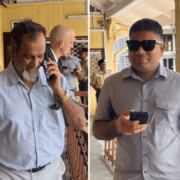
News Americas, GEORGETOWN, Guyana, Thurs. Jan. 8, 2025: Extradition proceedings involving businessman Nazar Mohamed and his son, Guyana’s presumed opposition leader, Azruddin Mohamed of the WIN Party, were adjourned on Thursday after the prosecution introduced a document that had not been previously reviewed by the defence.

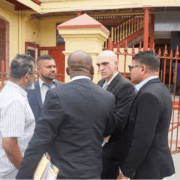
Nasar Mohammed, l. and WIN Party leader, Azruddin Mohamed, r.

Presiding Magistrate Judy Latchman made it clear that the court would not tolerate unnecessary delays, stating pointedly, “This is not a game of chess; there will be no jumping,” as she emphasized the need for the matter to proceed efficiently.

During the hearing, lead prosecutor Terrence Williams informed the court that the prosecution was disclosing a statement from Foreign Affairs and International Cooperation Minister Hugh Todd, which he said formed part of the state’s case.

Defence attorneys objected to the late disclosure, arguing that they had not been given sufficient time to review the new material or obtain instructions from their clients. They told the court that the statement was reportedly emailed by Glenn Hanoman on Wednesday, January 8, at approximately 1:00 p.m., and requested that the extradition proceedings either be halted or adjourned.

In response, Williams assured the court that no further documents were anticipated beyond those already disclosed, adding that the prosecution would comply with its duty to disclose should any new material arise.

Magistrate Latchman, however, ruled that the court would not permit any additional disclosures going forward. She acknowledged, nevertheless, that the defence must be afforded adequate time to consider the newly introduced document before the case proceeds.

As a result, the extradition matter has been adjourned and is scheduled to resume on February 5, 2026.

The extradition proceedings stem from a request by United States authorities and are being conducted under Guyana’s Fugitive Offenders Act, with both Nazar and Azruddin Mohamed currently on bail pending the outcome of the committal hearing.

U.S. Withdraws From International Organizations Including In The Caribbean and Latin American

News Americas, NEW YORK, NY, Jan. 8, 2026: In a sweeping move that marks a significant shift in U.S. engagement with multilateral institutions, the US withdraws from international organizations, conventions, and treaties – including several focused on the Caribbean and Latin America — saying continued participation no longer serves American interests.

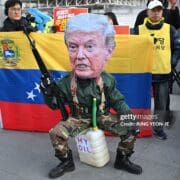
Donald Trump withdraws from several global organizations as protests globally denounce the US attack on Venezuela and the seizure of Venezuelan leader Nicolas Maduro, including front of the US embassy in Seoul on January 5, 2026. (Photo by Jung Yeon-je / AFP via Getty Images)

Announced in a presidential memorandum dated Jan. 7, 2026, the US President directed all U.S. executive agencies to immediately begin the process of exiting the listed bodies, which the administration says operate “contrary to the interests of the United States.”

The decision follows a year-long review of U.S. memberships in international organizations and treaties that began under Executive Order 14199 in 2025. Agencies were tasked with assessing whether continued involvement advances national security, economic priorities, or U.S. sovereignty.

Regional Entities Affected

Among the entities on the withdrawal list is the United Nations Economic and Social Council (ECOSOC) – Economic Commission for Latin America and the Caribbean (ECLAC), a key forum for regional economic cooperation and research.

ECLAC, which brings together governments across Latin America and the Caribbean to promote sustainable development, data-sharing and economic policy coordination, has historically served as a platform for addressing issues ranging from trade and infrastructure to poverty reduction — areas closely tied to Caribbean and Latin American interests.

In another blow to regional cooperation frameworks, the U.S. also plans to pull out of the Pan American Institute of Geography and History, a body dedicated to scientific and cultural research in the Western Hemisphere.

The US also pulled out of the Permanent Forum on the Global Forum on Migration and Development; People of African Descent; Office of the Special Adviser on Africa; the  International Trade Centre and UN Economic and Social Council (ECOSOC) — Economic Commission for Africa.

These withdrawals underscore the Trump administration’s broader repositioning on international engagement. Officials maintain that these organizations often focus on “globalist” agendas and climate, labor, or social policies that they believe conflict with U.S. priorities. Secretary of State Marco Rubio has framed the exits as an effort to protect U.S. sovereignty and ensure taxpayer dollars are spent where they best benefit American citizens.

Controversial Pullbacks From Old Allies

The move expands on a trend of disengagement from global institutions in recent years, including the U.S. exit from the World Health Organization, UNESCO, the U.N. Human Rights Council and the formal withdrawal from the Paris climate agreement in past administrations.

Among other major bodies the U.S. is leaving are:

U.N. Framework Convention on Climate Change (UNFCCC), the backbone of global climate action

U.N. Population Fund (UNFPA)

Global Counterterrorism Forum

International Renewable Energy Agency

Global Forum on Migration and Development
— though the administration said it may continue to cooperate “where interests align.”

Reactions and Regional Implications

Critics — including human rights advocates, climate experts, and foreign policy scholars — say the withdrawal could weaken U.S. influence in the hemisphere, isolate partners on issues like disaster response or migration, and cede ground to nations like China that continue robust engagement with regional institutions.

For Caribbean and Latin American nations, the change raises questions about future cooperation in economic planning, trade forums, climate adaptation efforts, and data-driven policy development — especially at a time when many in the region are grappling with climate vulnerability, economic recovery, and migration challenges.

What’s Next

The memorandum instructs departments to begin implementing the withdrawals “as soon as possible,” though legal and procedural timelines vary by organization. For United Nations bodies, U.S. participation and funding will phase out according to treaty obligations and applicable law.

Observers say this represents a notable recalibration of U.S. foreign policy that could reshape diplomatic and development engagement across the Caribbean and Latin America in 2026 and beyond.

RELATED: What The U.S.’ 2025 Narco Report Said About Drug Trafficking In The Caribbean

What The U.S.’ 2025 Narco Report Said About Drug Trafficking In The Caribbean

News Americas, NY, NY: The United States has killed more than 115 people in boats across the Caribbean Sea and Pacific Ocean by blowing up vessels it identified as carrying drug traffickers. This comes as the United States’ 2025 Narco Report – International Narcotics Control Strategy Report, (INCSR), identified the Caribbean as a central transshipment corridor for drug trafficking in the movement of cocaine from Venezuela to North America – underscoring the region’s growing strategic importance in global narcotics trafficking networks.

A US Air Force F22-Raptor takes off from José Aponte de la Torre Airport, formerly Roosevelt Roads Naval Station, in Ceiba, Puerto Rico, on January 4, 2026. US President Donald Trump threatened Sunday that Venezuela’s new leader will pay a “big price” if she does not cooperate with the United States, after US forces seized and jailed her former boss Nicolas Maduro. If interim president Delcy Rodriguez “doesn’t do what’s right, she is going to pay a very big price, probably bigger than Maduro,” Trump told The Atlantic in a telephone interview. (Photo by Miguel J. Rodriguez Carrillo / AFP via Getty Images)

According to the report, cocaine shipments originating in Colombia and Venezuela are routinely moved through Caribbean airspace and territorial waters using go-fast boats, fishing vessels, container ships, and clandestine aircraft before reaching the United States or onward markets in Europe. The Bahamas, Belize, the Dominican Republic, Haiti, Jamaica were all named as major illicit drug producing and/or drug-transit countries in the Caribbean.

The INCSR warned that trafficking through the Caribbean is sustained not only by geography, but by systemic corruption and weak institutional controls in key transit zones. Traffickers, the report states, often rely on local political protection, compromised security services, and limited enforcement capacity to move drugs with minimal interference.

Of particular relevance amid heightened regional political scrutiny, the report notes that corruption linked to narcotics trafficking frequently extends into political structures along major trafficking routes. While the report does not name Caribbean officials, it explicitly states that cocaine traffickers pay politicians and officials for protection from arrest and operational freedom – allowing drugs to transit the region with impunity.

The Caribbean’s role is described as logistical rather than production-based, but no less critical. Traffickers use the region for storage, repackaging, refueling, and redistribution, increasing cocaine’s value at each stage before it reaches U.S. markets, where demand and prices are highest.

“The Dominican Republic (DR) serves as a transit point for South American cocaine moving through the Caribbean to the United States and Europe,” the report said. “Traffickers rely on direct maritime routes from the Venezuelan and Colombian coasts, using “go-fast” boats to reach remote areas off the DR’s southern coast.”

Additionally, the US report said “D”drug trafficking in the six island nations of the Dutch Caribbean varies in scope.”

“However, the overall area remains significant due to its location as an international drug transshipment point,” the report added.

“Sint Maarten is in the Eastern Caribbean and is a transshipment hub for cocaine and marijuana transiting onward to Puerto Rico, the U.S. Virgin Islands, and Europe,” the 2025 report stated. “Cocaine and marijuana are primarily transported via different maritime vessels for transshipment to the U.S., other Caribbean islands, Africa, and Europe. In addition, traffickers routinely stage smaller airplanes on the islands for drug runs to Venezuela and Colombia.”

The US said that drugs, “after traveling to cocaine production countries, the aircraft normally fly onward to Central America, Guyana, Suriname, or other Caribbean destinations including the U.S. Virgin Islands and The Bahamas.”

“In addition, all major islands reported maritime vessels of varying sizes involved in the smuggling of narcotics originating from Venezuela with ultimate destination to the United States or Europe,” the report’s authors said. “This open cooperation ultimately allows the United States to deploy enforcement resources more effectively throughout the region to prevent the flow of drugs into the United States.”

On Haiti, the report said “Haiti remains a transit point for cocaine from South American and marijuana from Jamaica en route to the United States,” but noted that “lLocal drug production is minimal, primarily consisting of cannabis cultivation for domestic consumption.”

Focusing on Jamaica, the report said “Jamaica is both a significant producer of illicit drugs and a key transit country for narcotics destined for North America and Europe.”

“Jamaica is the Caribbean’s largest producer of cannabis, which is cultivated in its expansive rural areas,” the report said. “The country is strategically located for cocaine transshipment between South America, especially Colombia, and the United States. Jamaican criminal networks are often linked to transnational organized crime and facilitate drug trafficking via air and maritime routes. Marijuana is widely consumed in Jamaica and the use of psychoactive drugs, such as MDMA, is increasing. Psilocybin is largely unregulated, and a growing commercial industry promotes its use.”

The report also highlighted growing security risks associated with trafficking, including the spillover of organized crime, firearms, money laundering, and gang activity into Caribbean societies. These pressures strain already limited law-enforcement resources and threaten economic stability – particularly in tourism-dependent states.

In addition, the INCSR pointed to increasing use of maritime routes across the southern and eastern Caribbean, including areas bordering Venezuela, Guyana, and Suriname. These routes are often harder to monitor and exploit gaps in radar coverage, aerial surveillance, and coast-guard capacity.

While some Caribbean governments cooperate closely with U.S. and regional partners, the report emphasized that uneven enforcement and political sensitivity continue to undermine collective responses. Traffickers, it notes, adapt quickly, rerouting shipments through jurisdictions perceived as less vigilant.

The findings arrive at a moment of intensified regional attention following U.S. indictments tied to Venezuela’s leadership. Those charges have fueled public debate and speculation across the Caribbean and the Diaspora about political exposure along trafficking routes referenced- but not named – in U.S. court filings.

The indictment alleges that politicians operating along what prosecutors describe as a “Caribbean route” were corrupted by cocaine traffickers, accepting payments in exchange for protection from arrest and allowing favored traffickers to operate with impunity as cocaine moved north from Venezuela toward the United States.

While no Caribbean officials are named in the documents, the reference has sparked widespread discussion on social media and in political circles across the region.

Ultimately, the INCSR calls for stronger regional coordination, intelligence-sharing, and institutional reform, warning that without sustained action, the Caribbean risks becoming further entrenched as a strategic bridge in the global cocaine trade.

As U.S. enforcement and scrutiny intensify, the report makes clear that the Caribbean’s role – whether through vulnerability, governance gaps, or corruption – remains central to the hemisphere’s narcotics challenge.

RELATED: Speculation Rife Over Identity Of Caribbean Politicians Named in U.S. Maduro Indictment

Extradition Case Against Azruddin Mohamed, Dad Advances Despite Defense Appeal

News Americas, Georgetown, Guyana, Jan. 6, 2026: Extradition proceedings against Guyanese businessman Nazar Mohamed and his son, political leader of the WIN party and presumed Guyana opposition leader, Azruddin Mohamed, advanced on today after a Georgetown magistrate declined to suspend the matter, despite the defence filing an appeal to the Full Court.

Presiding at the Georgetown Magistrates’ Courts, Principal Magistrate Judy Latchman ruled that there was no legal basis to pause the committal proceedings, noting that no stay had been granted by a superior court. She subsequently directed the prosecution to begin presenting its case.

Earlier in the proceedings, defence attorneys served the court with a Notice of Appeal challenging a recent High Court ruling by Acting Chief Justice Navindra Singh, which refused an application to halt the extradition process. The defence argued that the magistrate’s court proceedings should be suspended pending the determination of constitutional issues raised in their challenge to Guyana’s extradition framework.

Magistrate Latchman, however, maintained that until a stay is formally ordered by the Full Court or another superior tribunal, the committal hearing must continue. In the absence of such an order, she ruled, the court was legally obliged to proceed.

As the case moves into the evidentiary phase, the prosecution is expected to call its first witness, Sharon Roopchand, Permanent Secretary at Guyana’s Ministry of Foreign Affairs.

The ruling followed submissions from the prosecution, led by King’s Counsel Terrence Williams, who argued that the mere filing of an appeal does not automatically suspend ongoing extradition proceedings. The magistrate accepted that position.

The extradition request was initiated by United States authorities, who are seeking the surrender of Nazar and Azruddin Mohamed in connection with federal criminal charges filed in the Southern District of Florida. The allegations relate to purported financial crimes linked to gold exports, including fraud and money laundering offences.

The matter is being heard under Guyana’s Fugitive Offenders Act and an existing extradition treaty between Guyana and the United States. Since late 2025, the defence has pursued multiple legal avenues aimed at delaying or stopping the extradition process, including constitutional litigation.

On Monday, Acting Chief Justice Singh dismissed the application for a stay, clearing the way for proceedings to continue in the magistrates’ court. Although the defence has since appealed that ruling, no order has been issued suspending the extradition hearing.

Both Nazar and Azruddin Mohamed remain on bail, subject to court-imposed conditions, as the committal proceedings continue.

RELATED: Guyana High Court Rejects Bid To Halt Extradition Proceedings Against Nazar And Azruddin

Venezuela’s Crisis Is A Warning: When Ideology Replaces Governance, Nations Fail

By Keith Bernard

News Americas, NY, NY: Venezuela stands as the clearest warning of what happens when ideology replaces governance. Caught between neoconservative interventionism and neo-Bolivarian defiance, the country has become less a sovereign state than an ideological battlefield – one its people did not choose.

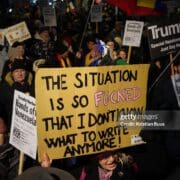
Hundreds of protesters turned out at the Hands Off Venezuela demonstration in response to the United States of America’s actions in Venezuela on the 5th of January 2026, London, United Kingdom. The US attacked Venezuela on the 3rd of January and captured President Maduro and his wife Celia Flores in a highly controversial military action, which critics have suggested is illegal and in breach of international conventions. (photo by Kristian Buus/In Pictures via Getty Images)

Neoconservatism, as reflected in U.S. policy toward Venezuela, rests on the belief that economic pressure and diplomatic isolation can force democratic change. Years of sanctions and international pressure, however, have failed to dislodge the ruling elite. Instead, they have deepened economic collapse, fueled mass migration, and hardened authoritarian rule. Leverage became punishment, with ordinary Venezuelans paying the price.

The neo-Bolivarian movement, born under Hugo Chávez and sustained by Nicolás Maduro, presented itself as an anti-imperial alternative—one promising sovereignty, equality, and social justice. In practice, it centralized power, dismantled institutions, and reduced accountability. Oil wealth masked mismanagement until it vanished, leaving scarcity, corruption, and repression in its wake. Revolutionary rhetoric became a substitute for policy.

Venezuela exposes the shared flaw of both doctrines. Neo-conservatism assumes coercion produces reform. Neo-Bolivarianism assumes ideology can replace institutions. Both are wrong.

The fallout is regional. Millions of Venezuelans have fled, straining neighbors across Latin America and the Caribbean. Trade has suffered, diplomacy has stalled, and external powers have filled the vacuum left by ideological deadlock.

The lesson is not about choosing the “right” ideology. It is about rejecting ideological certainty altogether. Sustainable democracy is built on credible institutions, economic diversification, political pluralism, and pragmatic engagement—not sanctions alone, and not slogans wrapped in sovereignty.

Venezuela’s crisis is not inevitable. But its warning is unmistakable: when ideology becomes destiny, nations fail – and citizens pay the cost.

EDITOR’S NOTE: Keith Bernard is a Guyanese-born, NYC-based analyst and a frequent contributor to News Americas. 

RELATED: Is Trinidad And Tobago Showing Signs Of A Failing State?

Guyana High Court Rejects Bid To Halt Extradition Proceedings Against Nazar And Azruddin Mohamed

News Americas, Georgetown, Guyana, Jan. 6, 2026: Guyana’s High Court has refused an application by businessmen Nazar Mohamed and his son, leader of the WIN, political party and presumed opposition leader, Azruddin Mohamed, to halt ongoing extradition proceedings in the Magistrate’s Court while their constitutional challenge to the country’s extradition laws is determined.

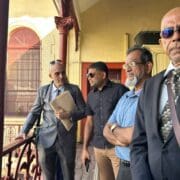
FLASHBACK – Azruddin Mohamed stands with his lawyers outside the Georgetown Magistrates’ Court during his ongoing US extradition proceedings.

In a ruling delivered today, Acting Chief Justice Navindra Singh, found that the applicants failed to satisfy the high legal threshold required for an interim stay of the committal proceedings, which are currently before Judy Latchman. The extradition hearings are set to continue on Tuesday.

The extradition request was initiated by the United States Government under the 1931 Extradition Treaty between the United States of America and Great Britain. Following an Authority to Proceed issued by Guyana’s Minister of Home Affairs, the Mohameds were arrested on October 31, 2025, and later released on bail pending the outcome of the committal proceedings.

Before the Magistrate’s Court, the applicants challenged the constitutionality of the Fugitive Offenders (Amendment) Act 2009 and sought a referral of constitutional questions to the High Court. That application was rejected by Magistrate Latchman, who ruled that the issues raised were frivolous and vexatious. The Mohameds subsequently filed a Fixed Date Application in the High Court and requested a stay of the extradition process.

In refusing the stay, Chief Justice Singh stressed that the filing of constitutional proceedings does not automatically suspend parallel statutory processes. He noted that stays in extradition matters are “exceptional, not routine,” and outlined three guiding considerations: whether the constitutional challenge raises serious and arguable issues, whether irreparable prejudice would result if proceedings continue, and where the balance of convenience lies between private rights and the public interest.

Addressing the applicants’ arguments, the Court rejected claims that the 2009 amendments unlawfully permit the Minister to bypass judicial oversight. The Chief Justice ruled that the legislation allows the Minister only to determine whether extradition proceedings should commence, while the courts retain full authority over committal hearings. He found no evidence that the Minister had attempted to circumvent judicial scrutiny in this case.

The Court also dismissed arguments that the amendments improperly cure alleged deficiencies in the 1931 treaty, including the absence of an express safeguard against onward extradition to a third state. Chief Justice Singh observed that such protection may exist by implication within the treaty and, in any event, noted that the United States has provided written assurances that the Mohameds would not be extradited to a third country without Guyana’s consent.

On claims relating to access to justice, the Chief Justice found no merit in the contention that the amendments restrict judicial remedies. He pointed out that safeguards such as habeas corpus remain available should the applicants be committed for extradition.

The Court further held that no irreparable harm would arise from allowing the committal proceedings to continue, noting that extradition hearings are preliminary in nature and do not determine guilt or innocence. Chief Justice Singh emphasized that no surrender order is imminent and that the substantive constitutional challenge is scheduled to be heard next week.

Balancing the competing interests, the Chief Justice concluded that the public interest in upholding Guyana’s international obligations and preventing abuse of constitutional litigation outweighed the applicants’ request for interim relief. He cautioned that routinely granting stays in extradition cases could undermine confidence in the administration of justice.

The application for a stay was therefore refused, with costs awarded. The substantive constitutional challenge is scheduled to be heard on January 14, 2026.

CARICOM Immigrants Make DHS “Worst Of The Worst” List

By Felicia J. Persaud

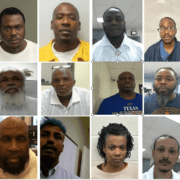
News Americas, NEW YORK, NY, Friday Jan. 2, 2026: Caribbean immigrants from the Caribbean Community, (CARICOM), are among those listed on the newly released U.S. Department of Homeland Security “Worst of the Worst,” (WOW) list. The list features non-U.S. citizens arrested by U.S. Immigration and Customs Enforcement (ICE) in 2025 following prior criminal convictions.

In total, some 320 CARICOM nationals appear on the list, with Jamaicans accounting for the largest share at 129, followed by Haitians at 103.

Arrests were overwhelmingly concentrated in Florida, followed by New York, New Jersey, and Pennsylvania, mirroring major Caribbean Diaspora population centers. The most common conviction patterns involved weapons offenses, drug trafficking, violent crimes such as robbery and assault, and fraud-related charges, including identity theft.

If nationals from the Spanish-speaking Caribbean were included, the total would rise sharply to 1,797 individuals. Cubans account for the largest group at 1,152, while nationals from the Dominican Republic total 327, according to DHS records.

Kieron Jonas of Antigua And Barbuda; Joseph Thomas Of The Bahamas; Vince Ellis of Barbados; Ernel Chambers of Dominica; Peter Thomas of Grenada; Trevor Bassue of St. Kitts & Nevis; Stanfield Vitalis of St. Lucia; Aaron Sabal of Belize, Robert Savio Panton of Jamaica; Ronald Doodnauth of Guyana; Nathalie Premier of Haiti and Vijai Dube of Trinidad and Tobago. (Montage from DHS images)

JAMAICA – largest of all CARICOM countries excluding Spanish Caribbean

NameCountryArrested (City)Arrested (State)Convictions (as listed by DHS)Robert Savio PantonJamaicaNew YorkNew YorkConspiracy to possess with intent to distribute heroinBritney Shenecia JamesJamaicaBrewtonAlabamaMail fraud; ConspiracyDwayne DiasJamaicaWhite DeerPennsylvaniaRobbery; Illegal re-entry (8 USC 1326); Dangerous drugs; Robbery – business (gun)Andre WaltersJamaicaBerlinNew HampshireAggravated assault (non-family weapon); Crimes against person; Possession of weapon; Weapon offense; Weapon traffickingChristopher DixonJamaicaChicagoIllinoisMarijuana – sell; Dangerous drugsAnthony DunkleyJamaicaTampaFloridaMarijuana – possessionConroy Delroy CondecoreJamaicaOrlandoFloridaSex assault; Cruelty toward childFerion SmartJamaicaConwaySouth CarolinaPossession of weaponGeovanie BurkeJamaicaSeviervilleTennesseeAssaultLynroy GayleJamaicaSan BernardinoCaliforniaMoney launderingKevin DuhaneyJamaicaAldenNew YorkAssault; Weapon offense; Possession of weaponOrville WeirJamaicaFort LauderdaleFloridaLewd or lascivious acts with minor; Marijuana – possessionVincent MitchellJamaicaLake CityFloridaBattery; Sex offenseBrandon WoolleryJamaicaChipleyFloridaHomicideNorman Alexander MooreJamaicaFort DixNew JerseyDrug trafficking; Illegal re-entry (8 USC 1326); Marijuana – sell; Dangerous drugsEverton HibbertJamaicaAldenNew YorkHomicide; Weapon offenseAkeem FosterJamaicaJamestownNorth DakotaAggravated assault (non-family weapon); Synthetic narcotic – possession; LarcenyRomualdo HenryJamaicaFlorenceArizonaShoplifting; Dangerous drugsTristan CampbellJamaicaPanama CityFloridaFraud; Illegal use of credit cardsAndre DweyerJamaicaEast ElmhurstNew YorkAssault; Hit and runKemar ParkesJamaicaFairhavenMassachusettsDomestic violenceJohnoi BenjaminJamaicaFort LauderdaleFloridaDrug trafficking; Dangerous drugsRoshawn ColeyJamaicaSeviervilleTennesseeBurglaryGemena GopieJamaicaPhiladelphiaPennsylvaniaPossession stolen propertyKevon FergusonJamaicaPanama CityFloridaSex assault; Public order crimes; Cocaine – possessionKirk AlfordJamaicaPine BushNew YorkKidnappingNigel BucknorJamaicaMaltaNew YorkPossession of weapon; Dangerous drugs; Cocaine – possession; Cocaine – sellOrville SalmonJamaicaFort George G. MeadeMarylandCarrying concealed weapon; Possession of weapon; Cocaine – possessionEverton MinottJamaicaAtlantaGeorgiaWeapon offense; Cocaine – possession; Identity theft (70AA)Kevin GarrisonJamaicaFort DixNew JerseyCocaine – sell; Dangerous drugs; CocaineAndrew BrownJamaicaBlanchNorth CarolinaDrug trafficking; Drug possession; Cocaine – smuggle/possess/sell; Marijuana – sell/possess; Failure report crimeGarfield CoxJamaicaButnerNorth CarolinaMarijuana – smuggleRomario AndersonJamaicaPanama CityFloridaExploitation of a minor; Obscene communicationSophia SmithJamaicaBruceton MillsWest VirginiaFraudDaffton BloomfieldJamaicaKearnyNew JerseyAggravated assault (weapon); Larceny; Robbery; Possession of weaponLeonard LutonJamaicaOxfordWisconsinMail fraudLova Stewart-JonesJamaicaBirminghamAlabamaCocaine – sell; Contempt of courtShannovan FaceyJamaicaChesterfieldVirginiaPossession of weapon; Marijuana – sellCory GentleJamaicaMiramarFloridaAggravated assault (weapon); BatteryElroy SmithJamaicaPhiladelphiaPennsylvaniaSex offense against child (fondling); Molestation of minorJudiel WilliamsJamaicaNaplesFloridaResisting officerRondell LevyJamaicaWhite DeerPennsylvaniaFraudDonavan SmithJamaicaMiamiFloridaRobbery; Cocaine – smuggleRayon SamuelsJamaicaMiamiFloridaHomicide; Robbery (street-gun); Burglary; Robbery (residence-gun)Caston BrownJamaicaNorth CharlestonSouth CarolinaHomicide; Possession of weaponDadrique MontequeJamaicaWilmingtonDelawareRobbery; Receive stolen propertyEldin GayleJamaicaBridgetonNew JerseySex offender registration violation; Family offense; Cruelty toward child; Failure to registerPaul Clement MelvilleJamaicaTucsonArizonaAssault; Aggravated assault (weapon); Robbery (residence-gun)Zedike WatsonJamaicaTampaFloridaFailure to register as sex offender; Battery; Lewd/lascivious acts with minorColleen WilsonJamaicaClintonNew JerseyAggravated assault (family-weapon); Marijuana – sell; Illegal re-entry (8 USC 1326); MarijuanaAdrian MorrisonJamaicaChicagoIllinoisRape (strongarm); Sex assault; Aggravated assault (weapon)Hubert DownerJamaicaFort DixNew JerseyHomicide; Possession of weapon; Dangerous drugs; Cocaine – possessionRicardo DoddJamaicaSumtervilleFloridaDrug trafficking; Drug possession; Dangerous drugsPaul SmithJamaicaClaytonAlabamaHomicide; Aggravated assault (non-family strongarm); Marijuana – sellPeter WilkinsonJamaicaFort PierceFloridaHomicide (willful kill-weapon); Robbery; HomicideJunior ReidJamaicaEast ElmhurstNew YorkPossession of weaponKimani BeckfordJamaicaGoshenNew YorkDangerous drugsDerrick BrownJamaicaMarcyNew YorkMarijuana – possessionAndre HamiltonJamaicaAllenwoodPennsylvaniaCarrying prohibited weapon; Resisting officer; CocaineKemar HamiltonJamaicaAldenNew YorkHomicide; Assault; Weapon offense; Smuggle contraband into prisonRomaine CrosdaleJamaicaOcalaFloridaAggravated assault (non-family gun)Sharon YeeJamaicaMiamiFloridaRobbery; Resisting officer; BatteryRasheem MorrisJamaicaCorpus ChristiTexasSex assaultRickey Elmo RobertsJamaicaHoustonTexasAssault; Weapon offenseGarnet Philip SmithJamaicaSpokane ValleyWashingtonAssault; Witness dissuading; multiple aggravated assaults; DV; false imprisonment; terroristic threats; etc.Hopeton FletcherJamaicaAtlantaGeorgiaDrug traffickingEdward Clarke JrJamaicaQuincyMassachusettsAggravated assault (non-family strongarm); Damage property; Drug traffickingRandy RichardsJamaicaLockportNew YorkAssaultTyreke DonaldJamaicaPanama CityFloridaFraudBrian HartJamaicaBelvidereNew JerseyNegligent manslaughter (vehicle); Possession of weapon; Weapon offenseChristopher WilsonJamaicaChesapeakeVirginiaSynthetic narcotic – sell; Drug traffickingMichael McKenzieJamaicaTallahasseeFloridaBattery; AssaultIyenda CampbellJamaicaBeaufortSouth CarolinaMarijuana; Illegal re-entry (8 USC 1326); Marijuana – possessionDevon MorrisJamaicaTucsonArizonaCocaine – sell; Probation violation; Vehicle theft; Illegal entry (8 USC 1325)Deladdo LeckyJamaicaBaltimoreMarylandSynthetic narcotic – sell; Drug traffickingPaul FoxJamaicaFort DixNew JerseyDrug trafficking; Drug possession; Cocaine – sellJason LewisJamaicaAldenNew YorkHomicide; Drug possessionTrevor BellJamaicaMiamiFloridaAggravated assault(s); Trespassing; Battery; Resisting officerDaemien TaylorJamaicaLisbonOhioPossession of weapon; Vehicle theft; Drug trafficking; BurglaryMelkoy MasonJamaicaMiramarFloridaResisting officerRory HarriottJamaicaFort LauderdaleFloridaCarrying concealed weaponDean ClarkeJamaicaHamptonSouth CarolinaAssaultJames Jr JaggonJamaicaLake CityFloridaHomicide (willful kill-weapon); RobberyShemoire PerkinsJamaicaAldenNew YorkWeapon offenseClaudius SmithJamaicaOcoeeFloridaCarrying concealed weaponKevin SpenceJamaicaDoralFloridaAggravated assault (weapon); RobberyKingsley McDonaldJamaicaWest BabylonNew YorkAssault; Marijuana – sellNatalie RuddockJamaicaChantillyVirginiaForgeryDeshaun HowardJamaicaBridgetonNew JerseyArsonVenord Dorn BurrowsJamaicaAtlantaGeorgiaLarceny; Identity theftDavano ConstantineJamaicaFort LauderdaleFloridaRobbery (street-strongarm); Amphetamine – possession; Drug possessionBjon LeeJamaicaTallahasseeFloridaHomicide; Robbery (residence-weapon); RobberyClive BrownJamaicaLake CityFloridaAmphetamine – sell; Cocaine – possessionKemaree ReidJamaicaBellefontePennsylvaniaAggravated assault (non-family strongarm)Wayne WallaceJamaicaFort DixNew JerseyMultiple aggravated assaults; Illegal re-entry; Possession of weapon; Fraud-related offenses; etc.Akeem FearonJamaica(Not listed)FloridaFailure to appearErrol JacksonJamaicaAtlantaGeorgiaMarijuana – sell; Marijuana – possessionCarl McLeodJamaicaWestoverMarylandSexual exploitation of minor; Assault; RapeNixon L GuthrieJamaicaHarrisburgPennsylvaniaAssault; Carrying prohibited weaponCarlton YoungJamaicaStuartFloridaHallucinogen – distribution; CocaineMarvin SalmonJamaicaNewtownConnecticutHomicideCloyd ChambersJamaicaEdisonNew JerseyAggravated assault; Kidnapping; Possession of weapon; Weapon offenseJahmarley McFarlaneJamaicaOakdaleLouisianaFraudMaurice Norman LevyJamaicaAshlandKentuckyCocaine – sell; Wire fraudDadrian DoyleyJamaicaWinchesterVirginiaAssault; Shoplifting; Fraud; Weapon offense; Damage property; LarcenyAndre EtienneJamaicaConyersGeorgiaRape (strongarm); Molestation of minorShamani ThompsonJamaicaDoralFloridaRobbery; Robbery (residence-weapon)Avon ShuttleworthJamaicaAllenwoodPennsylvaniaCocaineKerwin Guilarte-NoahJamaicaLecantoFloridaIllegal re-entry (8 USC 1326)Pete CohenJamaicaOakdaleLouisianaAssault; Property crimes; Larceny; Wire fraudSteven McKenzieJamaicaAtlantaGeorgiaCruelty toward child; Drug possessionIsaiah AlexanderJamaicaAldenNew YorkAggravated assault (weapon)Samorey MillerJamaicaLand O’ LakesFloridaAggravated assault (weapon); Drug possessionBunny HibbertJamaicaJamaicaNew YorkConspiracyDuwayne BaughJamaicaBronxNew YorkWeapon trafficking; Weapon offenseNoel ReidJamaicaMiamiFloridaHomicide; Homicide (willful kill-gun); Cocaine; Cocaine – smuggleRansford LewisJamaicaBellefontePennsylvaniaAggravated assault (family strongarm)Savoy FreebourneJamaicaPinellas ParkFloridaSex offense against child (fondling)Swanie BurnettJamaicaShirleyMassachusettsAggravated assault; Possession of weapon; Aggravated assault (family-gun)Carl ToddJamaicaJamaicaNew YorkRape (strongarm); Dangerous drugsNicolas MendezJamaicaMiamiFloridaAggravated assault (family strongarm); ArsonAlbert NewtonJamaicaAldenNew YorkHomicideDoret JacksonJamaicaOrlandoFloridaCruelty toward child; FraudAndrew KerrJamaicaAldenNew YorkAssault; Selling weaponJovaine ClarkeJamaicaChesterGeorgiaAggravated assault (weapon); Weapon offenseHorace HillJamaicaOkeechobeeFloridaBattery; Burglary; RobberySheldon ThomasJamaicaBronxNew YorkSex assault – carnal abuseAlex HenryJamaicaBennettsvilleSouth CarolinaAssaultWinston JacksonJamaicaJamaicaNew YorkPossession of weapon; Cocaine – possession; Cocaine – sell

HAITI – second-largest

NameCountryArrested (City)Arrested (State)Convictions (as listed by DHS)Silno SilvestreHaitiMuncieIndianaCarrying prohibited weaponFrantz AugustinHaitiLynnMassachusettsAggravated assault – police officer (strongarm)Jean FrancoisHaitiLake CityFloridaRobbery; Robbery – business (weapon); Carrying concealed weaponJolene BoniHaitiHomesteadFloridaCocaine – sell; Narcotic equip – possession; Dangerous drugsMarc James PinardHaitiVictorvilleCaliforniaCarjacking – armedWesley St LouisHaitiNaplesFloridaCocaine – possessionGregory SaintilHaitiLauderdale LakesFloridaAggravated assault – family (strongarm); Cocaine – sellGuidadere CadetHaitiMelbourneFloridaCruelty toward child; Evidence – destroyingJepthe Jean FrancoisHaitiFort LauderdaleFloridaAggravated assault – non-family (strongarm); Drug possession; BurglarySony LundyHaitiHollywoodFloridaFraudTowinsky LericheHaitiMiamiFloridaRobbery – street (gun)Daniel HylandHaitiMiamiFloridaDrug traffickingMarc PaulHaitiLake WorthFloridaCarrying concealed weaponAntoine ElusmaHaitiFort LauderdaleFloridaAggravated assault – non-family (strongarm)Pierre Mary NoelHaitiFort LauderdaleFloridaFraud – impersonating; Cocaine – possessionFranco MillienHaitiGoldsboroNorth CarolinaAggravated assault – police officer (strongarm)Azain VassorHaitiHialeahFloridaPossession of weaponAlberic IsraelHaitiMiamiFloridaAggravated assault – gunRoobens Jean PhilippeHaitiOrlandoFloridaCruelty toward childSon TrompeHaitiDelray BeachFloridaBatteryRichardson NeptuneHaitiIndianapolisIndianaKidnappingDave GermainHaitiWhite DeerPennsylvaniaRobberyFrederic GabrielHaitiOrlandoFloridaLewd or lascivious acts with minorMackenley BaptisteHaitiYorkPennsylvaniaRape (strongarm); Aggravated assault (weapon); Fraud – false statement; Aggravated assault (gun)Wilbert CharlesHaitiNorfolkMassachusettsHomicide; Flight to avoid; Negligent manslaughter (vehicle)James AlexisHaitiAldenNew YorkRobbery; Weapon offenseJames LoiseauHaitiRichmondVirginiaCocaine – sellAnniece PlaisirHaitiTampaFloridaCruelty toward child; LarcenyMarkenson OretienneHaitiBaltimoreMarylandAssaultTimothe MatelHaitiOrlandoFloridaLewd or lascivious acts with minorFabrice DesireHaitiConneautOhioIdentity theft; Receive stolen propertyYvrose CompereHaitiAccomacVirginiaAggravated assault – family (weapon)James ArgantHaitiDoylestownPennsylvaniaBurglary; Shoplifting; Trespassing; Burglary – forced entry; Receive stolen propertyYves Jr CerismeHaitiFort PierceFloridaBattery; Aggravated assault (weapon); Cocaine – sell/possess; Traffic offense; LarcenyJurel JeanHaitiFort LauderdaleFloridaSex assaultKensly LaurentHaitiFort LauderdaleFloridaBatteryWidler DuroseauHaitiColumbusIndianaDUI (liquor)Willie LafranceHaitiWest Palm BeachFloridaAssault; Evidence destroying; Weapon offense; Burglary; Public order crimesMaxo VillierHaitiStuartFloridaAssaultMickens MeranvilleHaitiCrosswicksNew JerseyRobbery – street (gun); Possession of weaponBernard FontusHaitiJacksonvilleFloridaAmphetamine – sell; Drug possession; Cocaine – possession; Narcotic equip – possession; FraudMamadou MbayeHaitiDallasTexasHeroin – possessionSolon RiphinHaitiNaplesFloridaCocaine – sell; Cocaine – possessionHerson OctaviusHaitiSouth BayFloridaBatteryIdovick AlusmaHaitiOakland ParkFloridaBatteryPeter Clayens LauroreHaitiNorth BrunswickNew JerseyAggravated assault – family (strongarm); Cruelty toward childHeesler MerardHaitiKissimmeeFloridaAggravated assault – non-family (gun); BatteryVladimir PerodinHaitiOrlandoFloridaCocaine – smuggle; Cocaine – sellEdreens FlaurentHaitiBrocktonMassachusettsAggravated assault – non-family (weapon)Bianta JosephHaitiFort PierceFloridaRobbery; Hit and run; Robbery – business (gun)Frantz ThernisseHaitiAldenNew YorkWeapon offenseJaheim DeciusHaitiChambersburgPennsylvaniaCocaine – sellJean ConcileHaitiHagerstownMarylandHomicide; Assault; Aggravated assault – gunKendy JosephHaitiBaltimoreMarylandAssault; Weapon offenseTony JosephHaiti(Not listed)FloridaCocaine – sellJude HilaireHaitiLake CityFloridaRobbery; BurglaryLens AltidorHaitiMedfordMassachusettsAggravated assault – police officer (strongarm); Marijuana – sell; Drug trafficking; AssaultAugustin DesgrangeHaitiMiamiFloridaResisting officer; Illegal re-entry (8 USC 1326)Mateo PierreHaitiKissimmeeFloridaAggravated assault – non-family (weapon)Ronald Jean JacquesHaitiAldenNew YorkHomicide; Assault; Possession of weapon; Dangerous drugsNathalie PremierHaitiLecantoFloridaAggravated assault (weapon); Aggravated assault – non-family (weapon)Ephraim JeanHaitiBostonMassachusettsSex assaultMaderson AlricheHaitiSumtervilleFloridaPossession of weapon; Identity theft (70AA); Fraud – impersonatingMcArnold CharlemagneHaitiOakdaleLouisianaFraud by wirePierre SylvestreHaitiMuncieIndianaResisting officer; Obstruct policeBerkendy TheodorisHaitiTallahasseeFloridaAggravated assault (weapon); Possession of weapon; Burglary; Fraud; Resisting officerJunior AlcinHaitiLeesportPennsylvaniaAssault; Weapon offense; Larceny; Terroristic threatsMersedy BlancHaitiOrlandoFloridaSex assaultNatacha PierreHaitiRoyal Palm BeachFloridaFraud – false statement; False citizenshipNesly GuerrierHaitiWewahitchkaFloridaSex assault; Robbery – street (gun); False imprisonmentOrlentz NelsonceHaitiMiami GardensFloridaBattery; Robbery – street (gun); Aggravated assault – gunBernard ErtilusHaitiNorth LauderdaleFloridaDomestic violenceVladimyr MilordHaitiYorkPennsylvaniaFlight to avoidJoseph OliverHaitiTallahasseeFloridaSex assault; Kidnapping; RobberyRaynald RomulusHaitiMiamiFloridaBurglaryRousselet AlphonseHaitiWest Palm BeachFloridaCocaine – sellClaude DesirHaitiBridgetonNew JerseySex assault; Cruelty toward childOdney NorciusHaitiOrlandoFloridaAggravated assault – police officer (weapon)Sounedialie BellegardeHaitiNaplesFloridaCrimes against person; Probation violationFrantzy DorzeneHaitiDoralFloridaAggravated assault – non-family (weapon); BurglaryJimmy FleurissantHaitiDoralFloridaSex assault; Resisting officerVictor GueHaitiOrlandoFloridaCruelty toward childAndy PhilippeHaitiMiamiFloridaLewd or lascivious acts with minor; Neglect childValry ExantusHaitiLouisvilleKentuckyDomestic violence; Crimes against person; Receive stolen property; Flight to avoidHarry MocombeHaitiMiramarFloridaBurglary; Fraud; Stolen property; Larceny; Sale of stolen propertyNadine PierreHaitiAtlantaGeorgiaFraud; LarcenySamuel MarcelinHaitiWashingtonPennsylvaniaAggravated assault – family (strongarm)Emmanuel NogausHaitiTallahasseeFloridaRobberyFrancois BernardHaitiBostonMassachusettsSex assault; Aggravated assault – family (strongarm)Stervenson DemesierHaitiChipleyFloridaSex assault – carnal abuse; Lewd or lascivious acts with minorJamesley AlcenaHaitiDoralFloridaBattery; Burglary; LarcenyRicolson ConstantinHaitiPollockLouisianaAggravated assault (weapon); Aggravated assault – police officer (gun); RobberyStanley ProuHaitiBurlingtonMassachusettsCarrying concealed weapon; Cocaine – sellChristos SaintcyrHaitiKemmererWyomingMarijuana – sellDidy QuetantHaitiOrlandoFloridaRobbery; BatteryScotte CherenfantHaitiThomsonIllinoisWeapon offense; Fraud – false statement; Identity theft (70AA)Bansage CalixteHaitiBelvidereNew JerseyForgery of checks; Receive stolen property; Credit card fraudPierre LajoieHaitiAldenNew YorkSex assaultFritz Gerald BailleHaitiMiamiFloridaDrug trafficking; Synthetic narcotic – sellJames CheryHaitiKissimmeeFloridaDomestic violenceStanley AntoineHaitiNorth Kansas CityMissouriPossession of weapon; Burglary; Stolen vehicleMarc Andre FleurivalHaitiOrlandoFloridaMarijuana – sell; Forgery; Cocaine – possess/sell; Resisting officerYvenson LebrunHaitiCasselberryFloridaBurglary; Sale of stolen property; RICOPatrick CadetHaitiCocoaFloridaWeapon offense; Cocaine – possession; Carrying concealed weapon

BAHAMAS

NameCountryArrested (City)Arrested (State)ConvictionsDeantae RolleBahamasPanama CityFloridaMarijuana – possessionJoseph ThomasBahamasBennettsvilleSouth CarolinaAmphetamine – manufacturing; Cocaine; Cocaine – sellKenthen SwainBahamasPalmettoFloridaAggravated assault – police officer (strongarm); Opium/heroin sales; Hit and runNaaman DavisBahamasThomsonIllinoisSmuggling aliensAntoine StuartBahamasHighspirePennsylvaniaSex assault; Vehicle theft; BurglaryDuzzlie RigbyBahamasMiamiFloridaAssault; Burglary; Carrying concealed weapon; LarcenyIan PorterBahamasOrlandoFloridaRobbery; Robbery – street (gun)Solano LaddusBahamasWest Palm BeachFloridaBurglaryJoshua BrennenBahamasHoustonTexasCarrying concealed weapon; Weapon offense; Firing weaponLavardo John BasdenBahamasAtwaterCaliforniaRobbery; Robbery – residence (strongarm); Stolen vehicleAnthony BrownBahamasMiramarFloridaAggravated assault; Cocaine – possession; Burglary tools; Robbery; Burglary; FraudReko CurryBahamasYazoo CityMississippiHuman trafficking; Smuggling aliensDevon RichardsonBahamasSan DiegoCaliforniaAssault; DUI (liquor); LarcenyJeremy RolleBahamasYazoo CityMississippiSmuggling aliensChristopher JohnsonBahamasWelchWest VirginiaSmuggling aliensKervens GeorgesBahamasMiramarFloridaCocaine – sell; Identity theft (70AA); FraudDarren SimmonsBahamasFort LauderdaleFloridaCrimes against person; Fraud – impersonatingChristopher PrattBahamasBlountstownFloridaHomicide (willful kill, gun); Robbery – street (weapon)Cordero BethelBahamasYazoo CityMississippiSmuggling aliensWilner JosephBahamasMiramarFloridaCarrying concealed weapon; Heroin – possessionLouise GreenBahamasMiramarFloridaCocaine – sellTekito StevensonBahamasJacksonvilleFloridaLarceny; Forgery; Probation violation; Battery; FraudRubin TaylorBahamasPrescottArizonaWeapon offense; Smuggling aliensKeith MerchantBahamasHarlingenTexasSmuggling aliensZion RhodriquezBahamasConwaySouth CarolinaAssaultKendra IngrahamBahamasFort LauderdaleFloridaDrug trafficking; Fraud – impersonatingMichael OlibricesBahamasMiamiFloridaBattery; Robbery; Cocaine possession; Negligent manslaughter (weapon); Evidence destroying; etc.

BELIZE

NameCountryArrested (City)Arrested (State)ConvictionsNestor Alberto CastilloBelizeSturtevantWisconsinCarrying concealed weapon; Trespassing; Larceny; Bail violationsJomo AvilaBelizeVan NuysCaliforniaSex assault; Aggravated assault (family strongarm); Failure to register sex offender; Molestation; Child sex offenseAkeem GarnettBelizeSoledadCaliforniaDomestic violence; Burglary; Illegal re-entry (8 USC 1326)Aaron SabalBelizePhiladelphiaPennsylvaniaPossession of weaponMarlon William BellBelizeSan PedroCaliforniaAssault; Cruelty toward wife; Domestic violence; Aggravated assault (gun)Carlos GomezBelizeWickliffeKentuckyAggravated assault (family strongarm); Crimes against person; AssaultFrancis FlowersBelizeYazoo CityMississippiAssault; Robbery; Battery; Illegal re-entry (8 USC 1326)Shane ArnoldBelizeLompocCaliforniaCarrying concealed weapon; Drug traffickingWinston KnightBelizeChesapeakeVirginiaAssault; Drug possessionKimala HenryBelizeLos AngelesCaliforniaDrug trafficking; Marijuana – sellAshley RiversBelizeMiramarFloridaLarceny; Drug possessionLindon FlowersBelizeHawthorneCaliforniaTerroristic threats; ExtortionTheodore ReneauBelizeButnerNorth CarolinaAggravated assault (non-family weapon); Illegal re-entry (8 USC 1326)Alex MajanoBelizeMineolaNew YorkTraffic offense; DUI (liquor)Jermie ParhamBelizeYorkPennsylvaniaDrug traffickingOrlin Cristobal-ReyesBelizeShreveportLouisianaResisting officerHilbert BethranBelizeAndersonSouth CarolinaWeapon offense; Cruelty toward wife; Illegal re-entry (8 USC 1326)Israel SholBelize(Not listed)(Not listed)Smuggling aliensRennet TillettBelizeMoreno ValleyCaliforniaAggravated assault (gun); Possession of weapon; Carrying prohibited weapon; Weapon offense

GUYANA

NameCountryArrested (City)Arrested (State)ConvictionsKwesi MenezesGuyanaMount HollyNew JerseyAggravated assault – police officer (strongarm)Dwayne WaitheGuyanaNew YorkNew YorkPossession of weapon; Illegal re-entry (8 USC 1326); Marijuana – sell; Drug traffickingMohamed YusufGuyanaAlbanyNew YorkProstitution; Commercial sexRakesh PersuadGuyanaSpringfield GardensNew YorkKidnapping; Robbery; Cruelty toward childRonald DoodnauthGuyanaOrlandoFloridaAggravated assault – family (strongarm); Cruelty toward child; Assault; BurglaryHarinarine RamkissoonGuyanaAldenNew YorkHomicide; DUI (liquor)Deon WatsonGuyanaEast OrangeNew JerseySex offense against child – fondlingVickram MosesGuyanaQueens VillageNew YorkAssaultDaneshwar PersaudGuyanaTallahasseeFloridaAggravated assault – weaponSean AllicockGuyanaChambersburgPennsylvaniaRobbery; Illegal re-entry (8 USC 1326); Stolen propertyMarty ScottGuyanaAnthonyTexasPossession of weapon; Drug trafficking; Dangerous drugsRobert ChapmanGuyana(Not listed)TexasForgery of checksRaymond FergusonGuyanaHuttonsvilleWest VirginiaDrug trafficking; Computer crimesVedoutie HoobrajGuyanaNewberryFloridaFraud by wire

TRINIDAD & TOBAGO

NameCountryArrested (City)Arrested (State)ConvictionsAlvin HenryTrinidad & TobagoAldenNew YorkStatutory rape (no force); Rape (strongarm)Michael FlandersTrinidad & TobagoAldenNew YorkWeapon offense; Possession of weaponJohn TeniaTrinidad & TobagoKearnyNew JerseyAggravated assault – family (strongarm); Carrying prohibited weaponNealon HypoliteTrinidad & TobagoRichmondIndianaPossession of weapon; Marijuana – possession; Weapon offense; Negligent manslaughter (weapon)Andrew LoganTrinidad & Tobago(Not listed)New YorkDangerous drugs; Heroin – possession; Public order crimesJoshua Luke PlentieTrinidad & TobagoBellefontePennsylvaniaRapeRicardo WaldronTrinidad & TobagoThomsonIllinoisSelling weaponStephan DavidsonTrinidad & TobagoBronxNew YorkPossession of weaponStephen CampoTrinidad & TobagoOrlandoFloridaLewd or lascivious acts with minorVijai DubeTrinidad & TobagoAldenNew YorkHomicideJohnathan RamnathTrinidad & TobagoKearnyNew JerseyLarcenyLevi RoopchandTrinidad & TobagoPollockLouisianaExplosives – possession; Terrorism; Amphetamine; Drug traffickingJoanna LewisTrinidad & TobagoLithoniaGeorgiaDrug trafficking

SMALLER CARICOM COUNTRIES

Antigua & Barbuda

NameCountryArrested (City)Arrested (State)ConvictionsKieron JonasAntigua & BarbudaOrlandoFloridaSex offense; Drug possession

Barbados

NameCountryArrested (City)Arrested (State)ConvictionsVince EllisBarbadosAldenNew YorkRobbery; Burglary; Weapon offense

Dominica

NameCountryArrested (City)Arrested (State)ConvictionsErnel ChambersDominicaBaltimoreMarylandAggravated assault (non-family weapon); Robbery – street (weapon)Michael WilliamsDominicaTallahasseeFloridaFraud – impersonating; Fraud

Grenada

NameCountryArrested (City)Arrested (State)ConvictionsAkeem TaylorGrenadaMiamiFloridaSmugglingPeter ThomasGrenadaChinoCaliforniaAssault; Robbery; Cocaine – sell; Cocaine – smuggle

St. Kitts & Nevis

NameCountryArrested (City)Arrested (State)ConvictionsPeter Lee Coker JrSt. Kitts & NevisDanburyConnecticutFraud; ConspiracyTrevor BassueSt. Kitts & NevisHoustonTexasRobbery; Dangerous drugs

St. Lucia

NameCountryArrested (City)Arrested (State)ConvictionsIrvin ZephurinSt. LuciaBiddefordMaineAssaultStanfield VitalisSt. LuciaDallasTexasAggravated assault – family (strongarm)Gregory AtkinsSt. LuciaOakdaleLouisianaCarrying prohibited weapon; Cocaine – sellTrevor StephenSt. LuciaLisbonOhioCocaine

Suriname

NameCountryArrested (City)Arrested (State)ConvictionsChanelle MisiedjanSurinameNew CastleDelawareDUI (liquor)

Turks & Caicos

NameCountryArrested (City)Arrested (State)ConvictionsWendy BelizaireTurks & CaicosFort LauderdaleFloridaFraud – swindle; Fraud

Caribbean Immigrant Kamar Samuels Could Lead NYC Schools

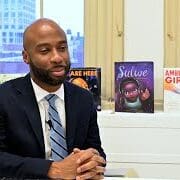
News Americas, NEW YORK, NY, Dec. 31, 2025: Incoming New York City Mayor Zohran Mamdani has reportedly tapped a Caribbean immigrant educator to lead the nation’s largest public school system with Kamar Samuels slated to be named officially as New York City’s next schools chancellor.

Caribbean immigrant Kamar Samuels is slated to be NYC’s next School’s Chancellor.

Samuels will oversee a system serving more than one million students and managing a budget exceeding US$40 billion. Here are seven key things to know about him:

1. Jamaican Roots

Kamar Samuels was born in the Caribbean nation of Jamaica and attended Jamaica College in St. Andrew before migrating to the United States.

2. Strong Academic Foundation

In the U.S., Samuels earned a degree in accounting from Baruch College, City University of New York (CUNY). He later completed a Master of Science in Education in childhood education at Lehman College, CUNY.

3. Experience Beyond Education

Before entering public education full-time, Samuels worked as a finance manager with the National Basketball Association, (NBA), gaining experience in large-scale organizational and fiscal management.

4. From Classroom to Principal

Samuels entered education through the NYC Teaching Fellows program, teaching elementary school in the Bronx for five years. He later moved into school operations, serving as a business manager and data specialist at Gun Hill Road School before becoming principal of the Bronx Writing Academy (PS 323) through the New Leaders for New Schools residency program. While leading PS 323, Samuels implemented reforms including staggered teacher start times, adjusted class lengths, and expanded digital learning through a city-funded technology initiative, according to Chalkbeat.

5. Two Decades in NYC Public Education

Samuels brings more than 20 years of experience across classroom teaching, school leadership, and district-level administration, with a strong emphasis on data-driven decision-making and improving outcomes in urban schools.

6. District-Level Leadership

He served as deputy superintendent of Brooklyn’s District 13 for two years before becoming superintendent in 2019. Currently a Manhattan superintendent, Samuels has promoted racial diversity through school mergers and emphasized the value of an “international education” to help students develop a global perspective. “We here in New York especially are seeing even today why it’s important to understand what’s happening in the rest of the world,” he has said.

7. Deep Diaspora Engagement

Samuels previously served as education chair and later president of JAMPACT, a diaspora-led organization supporting early childhood education in Jamaica. In 2008, he stated that the goal was for Jamaica’s basic schools to become “model early childhood institutions.”

ICED Guyana-Born Former School Superintendent Gets March 2026 Court Date

News Americas, NEW YORK, NY, Weds. Dec. 31, 2025: The federal criminal case against Guyana-born, former school superintendent, Ian Roberts, will move into the spring of 2026, as a U.S. court has set a new trial date of March 2, 2026, following a defense request for additional preparation time.

Court filings show Roberts’ legal team sought a continuance, citing the volume of evidence involved in the case and the need for more time to review discovery materials. Federal prosecutors agreed to the delay, pushing the trial from its original December 1st date. Roberts has pleaded not guilty to all charges and has until February 2, 2026, to enter any additional plea.

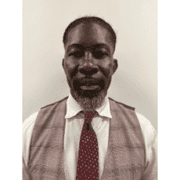
ICE arrested Guyanese national serving as Des Moines Public Schools Superintendent; prior weapons charges and in possession of loaded handgun at time of arrest

A Case At The Intersection Of Immigration And Public Trust

Roberts has been in custody since September 26th, when he was arrested by Iowa State Police and transferred to US Immigration and Customs Enforcement, (ICE) custody. Federal authorities allege that Roberts falsely claimed U.S. citizenship when he was hired by the Des Moines Public Schools and later illegally possessed four firearms while lacking lawful immigration status.

ICE has said Roberts entered the United States from Guyana in 1999 on a student visa, but later lost legal authorization to work. According to the agency, a final order of removal was issued by an immigration court in May 2024, months before his arrest.

The case has drawn attention not only because of the criminal charges, but also because Roberts rose to the top of public school systems in two U.S. states while allegedly lacking legal status—raising questions about hiring oversight, credential verification, and institutional safeguards.

From Superintendent To Federal Defendant

Roberts was appointed superintendent of the Des Moines Public Schools in July 2023, following three years in the same role at the Millcreek Township School District. His tenure came to an abrupt halt after federal authorities disclosed details of his immigration history and criminal allegations.

School boards in both districts have since faced scrutiny over how Roberts’ background and eligibility were vetted. In Pennsylvania, the Millcreek School Board has publicly acknowledged reviewing potential legal action related to the matter, while education officials in Iowa have faced questions from parents and lawmakers.

Defense Seeks Time Amid “Voluminous” Discovery

In court filings, Roberts’ attorney described the discovery process as extensive, noting that while the charges themselves are not complex, the defense requires significant time to prepare. The filing states that Roberts has not yet had sufficient opportunity to review the materials provided by prosecutors.

The court agreed, granting the delay and setting a new timeline that keeps Roberts in custody as the case proceeds.

Broader Implications For Immigrant Professionals

The case has resonated beyond Iowa and Pennsylvania, particularly within immigrant and Caribbean diaspora communities, where it has sparked debate about immigration enforcement, professional licensing, and how long-term residents can still face sudden detention and removal.

Advocates note that Roberts’ situation highlights the precarious position of non-citizens, even those who have built careers in public institutions, as immigration enforcement increasingly intersects with criminal proceedings.

What Comes Next

As the March 2026 trial date approaches, Roberts remains in ICE custody while federal prosecutors pursue the case. Legal observers say the outcome could have implications not only for Roberts, but also for how public institutions evaluate credentials and immigration status in senior-level hires.

For now, the case continues to underscore the far-reaching consequences of immigration enforcement—extending well beyond borders and into classrooms, communities, and public trust.