
Posts

The Imperative Of South-South Cooperation For Developing Countries

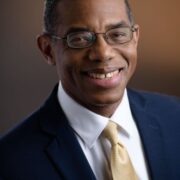
By Deodat Maharaj

News Americas, Gebze, Türkiye, Weds. March. 18, 2026:  Multilateralism as we know it is going through a seismic shift. Old alliances are being tested with clearly defined spheres of influence emerging. Whilst this represents a shock to the established world order, most wealthy countries will continue to fare well, though arguably with diminished geopolitical influence. However, the poorest and most vulnerable countries, like the Least Developed Countries, (LDCs), and Small Islands Developing States, (SIDS), risk becoming even more marginalized.  The question arises, how can this group of countries navigate this increasingly complex and fast-changing global setting?

To start with, there must be a clear recognition in the foreign policies of these countries that it is not an “either-or” option. Of course, traditional alliances must be consolidated. Trade and investment data confirm that regions like the Caribbean must continue to engage with the United States, which provides significant investment and remains a lucrative export market. Geographical proximity also leaves no other option. Similarly,  countries in Asia continue to see increasing trade and investment links with China, and this relationship will become stronger in the coming years

However, for both economic and diplomatic reasons, developing countries – especially LDCs and SIDS – must leverage additional options by building new global partnerships. A natural partner in this endeavor is the Global South. We are already seeing some efforts toward greater connections in the Global South. Africa provides a good example, given its efforts at regional integration via Agenda 2063 and the establishment of the African Continental Free Trade Area. However, even these efforts must be accelerated, with systematic efforts also made to foster cross-regional collaboration across the Global South.  

Leveraging South-South Solutions For Transformation.

It goes without saying that the benefit could be immense in leveraging South-South solutions for transformation at the national level. Indeed, some of the most innovative and scalable development solutions are emerging from the Global South itself, proving that developing countries are not just recipients, but also providers of knowledge and cutting-edge, relevant technology.  

South-South Cooperation offers solutions born from similar development contexts. Whether in digital public infrastructure, agricultural technology, renewable energy, or health innovation, countries across the Global South have developed practical, cost-effective, and scalable approaches that respond directly to local realities. For example, Nepal has become a regional pioneer in telemedicine, expanding access to healthcare in remote mountainous communities through digital health platforms that connect rural clinics with urban specialists. Bangladesh’s Solar Home System, widely recognized as a case study for off-grid electrification, provides clean energy to over 20 million people. India’s digital public infrastructure has enabled hundreds of millions of to access financial services. Rwanda has pioneered the use of drone technology to deliver medical supplies to remote areas.

These all represent low-cost, high-impact practical solutions that are generating transformation in countries across the Global South. With high debt burdens and acute fiscal constraints, developing countries can ill afford high-cost and unsustainable development solutions. These examples illustrate how innovation emerging from the Global South can offer scalable solutions to shared development challenges, and when shared across borders through South-South collaboration, they become powerful drivers of collective progress. This peer-based exchange reduces the gap between policy design and implementation. It accelerates learning, and most importantly, it reinforces ownership – a cornerstone of sustainable development.

South-South Cooperation As A Multiplier

Science, Technology, and Innovation have become, over the years, fundamental drivers of structural transformation. However, many LDCs face systemic barriers: fragmented innovation ecosystems, limited research infrastructure, insufficient digital skills, and weak links between academia, government and the private sector. At the same time, new innovation hubs, digital start-ups and technology partnerships are emerging across the Global South, providing valuable lessons on replication for other developing countries.

Regional and global technology networks, joint research initiatives, digital skills partnerships, and innovation training programmes can help these countries accelerate their development trajectory.  Collaboration among universities, innovation hubs, and policymakers across the Global South can foster ecosystems that no country can build alone.

Institutions such as the United Nations Technology Bank  act as a “connector” — linking LDCs with centers of excellence in the Global South, facilitating peer learning, and supporting platforms where innovation can travel across borders, such as  connecting African innovation hubs with Asian digital expertise

Re-Thinking Foreign Policy With  A Focus On The Global South

As noted at the beginning, it is important to consolidate established foreign policy partnerships. However, now more than ever, it is an imperative for LDCs and SIDS to build strong partnerships in the Global South. In addition to leveraging knowledge and development solutions, these partnerships or coalitions will help amplify shared concerns and issues by speaking with one voice on the international stage. This is especially vital for LDCs and SIDS, which are either too poor or too small to have a strong voice when speaking individually. Collectively, they are indeed stronger. Hence, the need for new partnerships and alliances in these trying and complex times.

In essence, strengthening South-South Cooperation unlocks new pathways toward inclusive development – pathways defined not by dependency but by partnership.

EDITOR’S NOTE: Deodat Maharaj, a national of Trinidad and Tobago, is the Managing Director of the United Nations Technology Bank for the Least Developed Countries and can be reached at: deodat.maharaj@un.org

RELATED: Rethinking Foreign Policy – The Case for Tech Diplomacy

Caribbean Nationals From Three Caribbean Countries Now Face $15,000 U.S. Visa Bond Requirement

News Americas, NEW YORK, NY, Weds. March 18, 2026: Nationals from three Caribbean countries – Antigua and Barbuda, Dominica, and Grenada – along with those from 47 other mostly African nations – will now be required to post a visa bond of up to $15,000 before receiving U.S. visitor visas for business or tourism, under an expanded policy by the U.S. State Department set to take effect April 2nd.

Caribbean Nationals From Antigua, Dominica and Grenada Face $15,000 U.S. Visa Bond Requirement.

The move is part of a broader expansion of the U.S. visa bond program, which will now apply to 50 countries globally, targeting nations identified as having higher rates of visa overstays.

Under the policy, applicants for B1 (business) and B2 (tourism) visas may be required to pay a refundable bond ranging from $5,000 to $15,000, depending on the discretion of consular officers. The bond is returned if the visa holder complies with all terms of their stay and leaves the United States on time.

Caribbean Impact

While the policy spans multiple regions, its implications for the Caribbean are significant. Antigua and Barbuda and Dominica were already included in the program, while Grenada is among 12 newly added countries under the latest expansion.

For citizens of these small island nations, the financial requirement could pose a substantial barrier to travel, particularly for tourism, family visits, and small business engagements in the United States.

U.S. Rationale: Overstays and Enforcement

U.S. officials say the program is designed to curb visa overstays – a longstanding concern in immigration enforcement.

According to the State Department, the bond requirement has already shown results, with approximately 97% of bonded travelers complying with visa terms and returning home on time.

The government also argues the program reduces taxpayer costs, noting that removing individuals who overstay visas can cost more than $18,000 per case, while the bond system serves as a financial incentive for compliance.

Criticism and Concerns

However, critics say the policy risks disproportionately affecting travelers from smaller and developing nations, including those in the Caribbean.

The upfront cost – even if refundable – may be out of reach for many applicants, effectively limiting access to U.S. travel and business opportunities.

Immigration advocates also argue that such measures could deepen inequalities in global mobility, particularly for diaspora-connected communities that rely on travel between the Caribbean and the United States.

A Growing Trend in U.S. Immigration Policy

The visa bond requirement is part of a broader tightening of U.S. immigration policies aimed at reducing unauthorized stays and strengthening compliance mechanisms.

Officials have indicated that additional countries could be added to the program in the future based on “immigration risk factors,” signaling that the policy may continue to expand.

What It Means for the Region

For Caribbean nationals, particularly from Antigua, Dominica, and Grenada, the new requirement introduces a new layer of financial and procedural complexity to U.S. travel.

For governments and regional leaders, it also raises broader questions about mobility, economic ties, and the evolving dynamics of U.S.-Caribbean relations in an increasingly restrictive global immigration environment.

ALL COUNTRIES

The new countries included in the visa bond program are Cambodia, Ethiopia, Georgia, Grenada, Lesotho, Mauritius, Mongolia, Mozambique, Nicaragua, Papua New Guinea, Seychelles, and Tunisia.

These countries join 38 nations that are already included in the visa bond program. Those countries are Algeria, Angola, Antigua and Barbuda, Bangladesh, Benin, Bhutan, Botswana, Burundi, Cabo Verde, Central African Republic, Cote d’Ivoire, Cuba, Djibouti, Dominica, Fiji, Gabon, The Gambia, Guinea, Guinea Bissau, Kyrgyzstan, Malawi, Mauritania, Namibia, Nepal, Nigeria, Sao Tome and Principe, Senegal, Tajikistan, Tanzania, Togo, Tonga, Turkmenistan, Tuvalu, Uganda, Vanuatu, Venezuela, Zambia, and Zimbabwe.

RELATED: 11 Immigrants Now Dead In ICE Custody In 2026 As Questions Mount Over Care and Release Practices

The Sound Of A Democracy Thinking: How Silence Speaks In Small States

By Dr. Isaac Newton

News Americas, NEW YORK, NY, Tues. Mar. 17, 2026: The square is quiet. Campaign banners sway lightly in the wind. Loudspeakers carry rehearsed promises, yet their echoes meet only empty chairs. At first glance, the silence might appear as disinterest. In reality, it is something far more powerful. The Caribbean people are speaking without words in a democracy. Their silence is not disengagement. It is careful observation, deliberate judgment, and the slow emergence of accountability.

Every empty chair, every vote withheld, every pause from public involvement carries meaning. In small states where decisions affect everyday life immediately, silence is intentional. It is attentive. It is measured. It is a lens through which citizens examine leadership. Praise can be orchestrated. Silence cannot. Speeches seek to persuade. Silence compels reflection. Noise rewards showmanship. Silence demands substance.

Silence as Moral Pressure

Citizens have been watching. They have witnessed initiatives launched with fanfare yet executed inconsistently. They have heard confident promises while confronting rising living costs, fragile infrastructure, and overstretched public services. They have seen leadership maintained through habit rather than achievement.

In coastal villages, fishermen study the sea before venturing out. Its calm surface conceals currents that can turn swiftly. Public life operates in a similar way. Citizens assess the outcomes of leadership quietly. A teacher considers whether reforms improve learning. A small business owner evaluates whether policies foster opportunity or create obstacles. A farmer weighs whether infrastructure and planning support production or hinder it.

These assessments may not fill headlines, but they shape collective judgment. Leadership is measured less by visibility and more by impact. Trust is built by the combination of words and results. Silence can carry moral authority in small states because it reflects careful evaluation over time.

The Paradox of Quiet Engagement

Silence is often misunderstood as disengagement. In many cases it reflects deeper involvement. When public enthusiasm diminishes, scrutiny increases. Conversations continue in homes, workplaces, classrooms, and community gatherings where perspectives solidify and decisions are quietly formed.

Periods of quiet observation often precede significant change. Silence allows citizens to reframe expectations and reassess leadership. They ask whether those in power can anticipate challenges rather than merely react to them. They examine whether institutions are strengthened or left vulnerable. They judge whether decisions serve long-term needs rather than immediate convenience.

Silence does not end participation. It reshapes it. Those who step back are often considering the consequences of leadership more deeply than those who speak loudly.

When Silence Becomes Strategy

Silence gains influence when it transforms into deliberate action. Communities can create spaces for discussion that clarify local priorities and national goals. Civil society organizations can turn citizen observation into evidence that strengthens transparency. Digital tools can track patterns of inefficiency that once went unnoticed.

In this context, silence is strategic assessment and withdrawal careful observation. Citizens engage selectively. They support actions that demonstrate competence and fairness. They refrain from endorsing initiatives that rely on image rather than achievements. Leaders are presented with a choice. They can ignore the quiet scrutiny or they can treat it as a guide. Those who observe and respond gain insight into where institutions need correction and where trust must be rebuilt.

The Power of Patient Accountability

Silence carries a weight that public outcry rarely achieves. It does not erupt suddenly. It accumulates observation over time and evaluates leadership across months and years.

For small states facing climate pressures, economic volatility, and technological change, this quiet attention is essential. Leaders must invest in strong institutions, capable people, and durable systems. Authority is maintained by tradition and sustained by consistent results and clear responsibility.

In a democracy, silence is scarcely emptiness. It is measured attention. It is the work of judgment, the calculated weighing of promises against outcomes, and the patient formation of public expectations. It rises gradually, shaping the decisions of leaders before visible consequences appear. Those who disregard it often realize its influence only when opportunities to respond have passed.

Questions for Reflection

How can careful observation and selective engagement shape leadership that serves the public interest?

What actions can citizens take to ensure their silence supports accountability rather than passivity?

How can awareness of political realities be transformed into concrete efforts that strengthen institutions and communities?

Editor’s Note: Dr. Isaac Newton is a leadership strategist, educator, and public speaker specializing in governance, institutional transformation, and ethical leadership. Trained at Harvard, Princeton, and Columbia, Dr. Newton brings a multidisciplinary perspective to leadership development across the public, private, academic, and faith-informed sectors. He is the coauthor of Steps to Good Governance, a work exploring practical frameworks for accountability, transparency, and institutional effectiveness. Dr. Newton has designed and delivered seminars for corporate boards, educators, public officials, and community leaders throughout the Caribbean and internationally. His work integrates insights from leadership research, psychology, public policy, and ethics to equip leaders to guide institutions through uncertainty with clarity, courage, and measurable impact.

RELATED: Leadership – The Value Of Leading With Direction Versus The Folly Of Micromanaging

Bad Mindedness And Brain Gain In The Caribbean

By Dr. Isaac Newton

News Americas, NEW YORK, NY, Mon. March. 16, 2026: Caribbean talent or a brain gain, is shaping the world, yet our islands struggle to welcome it home. Borders to North America and Europe are tightening as global challenges multiply. Economies wobble, insecurity rises, and climate change reshapes daily life. For small island states, talent is more than a resource. It drives innovation, strengthens culture, and anchors resilient communities. Bringing returning homegrown talent home restores ambition, fuels economic diversity, and strengthens the social fabric essential for sustained progress. The opportunity is obvious, yet political, cultural, and structural obstacles often dilute its impact.

Barriers That Undermine Brain Gain

Returning homegrown talent often faces skepticism instead of support. Local expertise is judged more harshly than foreign investment, even when it could spark new industries. Trust is inconsistent, and merit is too often overshadowed by perception.

A subtle but persistent insecurity exists in leadership circles. Outsiders are often prioritized over natives. Defensive attitudes arise from fear rather than strategy. This mindset stifles risk-taking, suppresses innovation, and limits meaningful engagement with returning homegrown talent. It communicates that recognition abroad carries more weight than achievement at home.

Structural barriers intensify the problem. Policies and systems frequently move resources outward rather than nurturing domestic potential. Bureaucracy, fragmented incentives, and unclear pathways for reintegration leave returning homegrown talent navigating a landscape that can feel more hostile than the one they left. Without deliberate change, talk of brain gain remains hollow, masking the scarcity of real opportunities.

Reframing Talent Repatriation

Caribbean nations must build systems that elevate, integrate, and empower returning homegrown talent. Incentives should offer clear career pathways, funding support, and institutional backing that reward measurable impact and innovation. Contribution at home must be as viable and rewarding as success abroad.

Cultural narratives must shift to celebrate homegrown expertise. Returning homegrown talent should be seen as agents of transformation rather than objects of doubt. Technology-enabled platforms can connect them with domestic enterprises before they physically return, smoothing the transition and reducing friction. Leaders must foster openness, remove gatekeeping, and create spaces where bold ideas are judged on merit rather than origin. Alignment of policy, culture, and mindset sends a clear message: home is both welcoming and strategically fertile.

The Imperative for Action

Small Caribbean states cannot rely on chance returns or symbolic gestures. Without a critical mass of returning homegrown talent, innovation remains fragmented, and growth stalls in reactive cycles. A deliberate, psychologically informed, and structurally supported approach to brain gain can reshape national futures, linking diaspora networks with domestic ambition to generate lasting prosperity.

The responsibility is clear. Bad mindedness must be confronted. Opportunities must be redesigned. Governance and policy must act with intention. These measures transform talk into action, empowering the Caribbean to write its own development story with returning homegrown talent that is recognized, trusted, and ready to lead. Otherwise, the conversation about brain gain risks remaining an echo, admired in theory but absent in practice.

EDITOR’S NOTE: Dr. Isaac Newton is a leadership strategist, educator, and public speaker specializing in governance, institutional transformation, and ethical leadership. Trained at Harvard, Princeton, and Columbia, Dr. Newton brings a multidisciplinary perspective to leadership development across the public, private, academic, and faith-based sectors. He is the coauthor of Steps to Good Governance, exploring practical frameworks for accountability, transparency, and institutional effectiveness. Dr. Newton has designed and delivered seminars for corporate boards, educators, public officials, and community leaders throughout the Caribbean and internationally. His work integrates insights from leadership research, psychology, public policy, and faith-informed ethics to equip leaders to guide organizations through uncertainty with clarity, courage, and measurable impact.

RELATED: Leadership: The Lighthouse Principle – Leading People When The Map Keeps Changing

U.S. Gun Pipeline To Caribbean Exposed As Teacher Sentenced For Trafficking Weapons To Trinidad

News Americas, MIAMI, FL, Mon. March 16, 2026: A Florida high school teacher has been sentenced to more than a year in prison after admitting she helped purchase firearms that were ultimately smuggled into Trinidad and Tobago, highlighting growing concerns about the role of U.S. gun trafficking networks fueling crime across the Caribbean.

Shannon Nicole Samlalsingh, 47, was sentenced to one year and one day in federal prison after pleading guilty to conspiracy to make false statements to a firearm dealer, according to the U.S. Department of Justice.

U.S. District Judge William F. Jung also ordered Samlalsingh to forfeit the firearms she purchased as part of the scheme.

Federal prosecutors say Samlalsingh, who at the time was a Hillsborough County high school teacher in Tampa, purchased multiple weapons on behalf of a Trinidad-based transnational criminal organization.

Court documents show she falsely claimed on federal firearms purchase forms that the weapons were for her personal use. Instead, investigators say the guns were handed over to members of the criminal network and later smuggled into Trinidad and Tobago.

The case sheds light on the illegal flow of U.S. firearms into Caribbean nations, a growing regional security concern.

Authorities in Trinidad and Tobago intercepted part of the weapons shipment in April 2022 at Piarco International Airport. Customs officials discovered an alarming cache of weapons hidden inside two punching bags in a shipment arriving from the United States.

The seizure included:

• Eleven 9mm pistols
• Two .38 caliber revolvers
• A semi-automatic shotgun
• Multiple AR-15 components and magazines
• Hundreds of rounds of ammunition

Investigators determined that four of the seized pistols had been purchased directly by Samlalsingh.

The case was investigated by Homeland Security Investigations, (HSI) and the U.S. Bureau of Alcohol, Tobacco, Firearms, and Explosives (ATF), with assistance from the Trinidad and Tobago Police Service, U.S. Citizenship and Immigration Services, and other law enforcement agencies.

The prosecution comes at a time when Caribbean governments are intensifying calls for stronger cooperation with the United States to combat the flow of illegal weapons and narcotics through regional transshipment corridors.

In Trinidad and Tobago, authorities have been grappling with rising concerns over arms trafficking linked to organized crime networks.

US RADAR REMOVED

Those concerns have also shaped broader regional security cooperation with Washington.

Last year, the United States deployed a military-grade radar system at ANR Robinson International Airport in Tobago aimed at helping local authorities detect drug trafficking flights and maritime smuggling routes, particularly those connected to Venezuela.

The radar, which used drone and satellite technology to monitor regional airspace, was part of a broader effort to strengthen surveillance across the southern Caribbean.

However, recent reports indicate the system has now been dismantled, with a U.S. military aircraft expected to transport the equipment out of Tobago.

The removal comes amid shifting regional security dynamics following the U.S. military’s detention of Venezuelan leader Nicolás Maduro earlier this year on drug-related charges.

Despite the radar’s removal, Trinidad and Tobago officials have continued to press Washington for increased security support.

Speaking at the Americas Counter Cartel Conference in Miami, Defence Minister Wayne Sturge called for additional U.S. assets to help Caribbean nations combat organized crime networks operating in the region.

“If we are to deliver effectively as the security anchor in the southern Caribbean, we require assets that would equip us with the capability to disrupt the cartels in the transshipment corridors,” Sturge said.

Cases like Samlalsingh’s illustrate the complex challenge Caribbean governments face – confronting criminal networks that rely heavily on weapons purchased legally in the United States before being trafficked south.

Security experts say the case underscores the need for stronger monitoring of firearms purchases and enhanced cooperation between U.S. and Caribbean law enforcement agencies to disrupt the illicit pipeline feeding regional crime.

RELATED: Doctor’s Graphic Testimony Reveals Brutality Of Haiti President’s Assassination

Leadership: The Lighthouse Principle – Leading People When The Map Keeps Changing

By Dr. Isaac Newton 

News Americas, NEW YORK, NY, Mar. 15, 2026: In many organizations the most talented people are also the quietest in the room. Not because they lack ideas, but because they have learned a silent rule of survival. In tightly controlled systems initiative creates risk, while compliance creates safety. Leaders ask for innovation, yet design processes that punish deviation. The result is a growing empowerment gap inside modern institutions. Brilliant people are hired for their intelligence and then managed as if they cannot be trusted to think. At a moment of unprecedented economic and technological change, this contradiction has become one of the most serious barriers to institutional transformation.

The central leadership challenge of this era is therefore not simply efficiency. It is learning how to lead in the midst of uncertainty without suffocating the intelligence of the people within the organization. Many leaders respond to uncertainty by tightening control over processes. They attempt to script activity, monitor every step, and standardize decisions. The intention is understandable. Control feels like safety. Yet leadership research has long warned that excessive supervision diminishes initiative, a concern raised decades ago by management thinkers such as Peter Drucker, who argued that leaders must manage for results rather than activity. In volatile environments, the more leaders attempt to control processes, the more slowly organizations adapt.

Directional leadership offers a different path. It begins with a simple but powerful shift. Instead of controlling every process, leaders clarify the outcome that must be achieved and allow capable people to determine how to achieve it. The leader’s authority is not weakened by this approach. It is concentrated. Direction replaces supervision as the primary work of leadership. One might think of this as the Lighthouse Principle. In dense fog a ship captain does not attempt to control every wave or current. The captain fixes attention on the lighthouse that marks the destination and trusts the crew to navigate the waters.

This model rests on three instruments of directional leadership. The first is destination. Leaders must define success in language that is precise enough for everyone to see it clearly. A school leader, for example, might replace a long strategic document with one decisive aim. By the end of the academic year every third grade student will read confidently at grade level. Teachers, tutors, and parents suddenly share a common horizon. In business the same clarity might appear as a commitment that customer response time will fall from two days to six hours within six months. When the destination is unmistakable, teams begin organizing their creativity around the result rather than waiting for instructions about procedure.

The second instrument is ownership, which closes the empowerment gap. Micromanagement rarely begins with arrogance. It usually begins with anxiety. Leaders feel personally responsible for results and therefore tighten their grip on how work is performed. Yet the paradox is striking. The tighter the control over activity, the weaker the sense of responsibility among the people doing the work. Directional leaders reverse this pattern by placing authority where knowledge resides. Imagine a hospital administrator who tells the emergency department staff that every patient must be stabilized or seen by a physician within ten minutes of arrival. The professionals closest to the work redesign triage flow, adjust communication practices, and refine patient intake procedures. Trust releases ingenuity that supervision alone cannot produce.

The third instrument is evidence. Many institutions suffer from what might be called process addiction. They measure meetings held, reports filed, and hours worked while the deeper question remains unanswered. Did the outcome improve. Directional leadership insists on measuring results that matter to the mission. A community organization focused on youth safety may stop counting workshops and begin tracking whether participating students remain in school and avoid arrest for an entire year. A sales organization may shift attention away from the number of calls made and focus instead on customer retention and long term partnerships. When outcomes become the standard, teams search for smarter paths rather than merely completing assigned tasks.

These three disciplines are especially powerful in an age of constant disruption. Artificial intelligence is reshaping industries. Economic shocks move quickly across global markets. Social expectations evolve rapidly. In such conditions rigid processes break easily. Clear direction, however, travels well across uncertainty. A defined destination acts like a lighthouse in the fog. Ownership transforms employees into navigators capable of adjusting the route. Evidence shows whether the ship is moving toward its harbor.

Leaders who fail to close the empowerment gap will face a quiet exodus of talent. Their most capable people will not argue loudly. They will simply migrate to institutions where their intelligence is trusted. The organizations that thrive in the coming decade will not be those that design the most elaborate procedures. They will be those that define the clearest destinations, entrust responsibility to capable people, and measure the results that truly matter. When that happens something remarkable occurs inside institutions. Energy returns, initiative rises, and the collective intelligence of the organization begins to move with purpose toward transformation.

Editor’s Note: Dr. Isaac Newton is a leadership strategist, educator, and public speaker specializing in governance, institutional transformation, and ethical leadership. Trained at Harvard, Princeton, and Columbia, Dr. Newton brings a multidisciplinary perspective to leadership development across the public, private, academic, and faith based sectors. He is the coauthor of Steps to Good Governance, a work that explores practical frameworks for accountability, transparency, and institutional effectiveness. Dr. Newton has designed and delivered seminars for corporate boards, educators, public officials, and community leaders throughout the Caribbean and internationally. His work integrates insights from leadership research, psychology, public policy, and faith informed ethics to equip leaders to guide organizations through uncertainty with clarity, courage, and measurable impact.

RELATED: The Caribbean – Democracy At Home, Continuity Abroad

The Return Of Textbooks

By Derrick Nicholas

News Americas, NEW YORK, NY, Sat. Mar. 14, 2026: I recently wrote an article entitled ‘Gadgets Creating More Problems in Education’.  In it, I made the case that technology through the steady introduction of electronic devices was threatening to reduce the gains that traditional learning had brought.

The article went on to make the case that dependence on electronic device has led to students’ inability to develop their critical thinking skills.  Simple foundational tasks now require an electronic device of one kind or another. 

Compounding the problem even further, is the Caribbean Examinations Council, (CXC) sanctioning the ‘limited use’ of Artificial Intelligence (AI) in the preparation of candidates’ school-based assessments, (SBAs).  

We in this region seem to be quickly heading down a slippery slope from which we may never recover.   Meanwhile in Denmark they have taken the bold decision to go in the opposite direction.  The government has banned cellphones in classrooms, as well as other electronic devices.  They are being replaced by traditional textbooks and students’ God given ability to think independent of another human being.

The decision to return to traditional textbooks instead of tablets and other digital devices was based on the fact that, over a period of one decade it was observed that students have trouble concentrating.  Additionally, it was found that most students, instead of focusing on their classwork would be watching a video or worse.

In Denmark, computers are used sparingly and ALWAYS under supervision.  The data suggest that Danish teens spend an average of five hours per day on their electronic devices, and their mental health has been worsened according to the Children’s Wellbeing Commission.

Textbooks have long been the cornerstone of educational resources, providing structured and comprehensive content that supports learning.  Textbooks offer a coherent flow of information, guiding students through complex topics in a systematic manner.  This helps students build upon their knowledge incrementally, reinforcing concepts.  For example, mathematics textbooks often introduce fundamental concepts before advancing to more complex theories.  This enable students to develop a strong foundation before tackling more challenging problems.

Textbooks provide detailed explanations, examples and exercises that promote critical thinking and problem-solving skills.  Textbooks serve as valuable tools for long-term retention of information.  Studies have shown that physical textbooks can enhance learning by reducing distractions that often accompany electronic devices.

Harvard University professor, Steven Pinker agrees with this assertion.  He admits: “students do read less…they spend more time on extracurricular activities than on classwork.” Professor Pinker agrees with something that I have been saying for a long time “taking notes leads to better memory than using a screen.”  He cites the principle of cognitive psychology: “when you have to think about something, you have got to process its meaning, when it’s not just a bunch of words, then you actually remember better.”

If we are to overcome the other challenges in education, we must find a way to make students read more.  One sure way of achieving this goal, is by getting our students to read from actual textbooks, instead of an online version which is placed on Google Classroom.  The tactile experience of flipping through pages can aid in memory retention, as students are more likely to engage with the material actively.

Antigua and Barbuda and indeed the rest of the OECS, need to go in the direction where the evidence points – not backwards.  Our students deserve no less.

EDITOR’S NOTE: Mr. Nicholas is a proud graduate of the Antigua Grammar School, Antigua State College, and the Antigua and Barbuda International Institute of Technology. A dedicated private mathematics tutor, he is passionate about helping students move from foundational understanding to confident mastery. Committed to the renewal of critical thinking among young people, Mr. Nicholas is also a political strategist and public speaker who contributes thoughtful insight to conversations on education, leadership, and national development.

Doctor’s Graphic Testimony Reveals Brutality Of Haiti President’s Assassination

News Americas, MIAMI, FL, Fri. Mar. 13, 2026: Jurors in the federal trial linked to the assassination of Haiti’s President Jovenel Moïse heard graphic testimony Thursday from the doctor who conducted the autopsy on the slain leader, revealing the extent of the violence that ended his life.

Dr. Jean Demorcy, the Haitian physician who performed the autopsy on July 10, 2021 – three days after Moïse was killed- told jurors the president suffered numerous gunshot wounds and extensive trauma across his body during the attack at his private residence in Port-au-Prince.

FLASHBACK – Martine Moïse grieves during the funeral for her husband, slain Haitian President Jovenel Moïse, on July 23, 2021, in Cap-Haitien, Haiti, the main city in his native northern region. – Moïse, 53, was shot dead in his home in the early hours of July 7. (Photo by Valerie BAERISWYL / AFP) (Photo by VALERIE BAERISWYL/AFP via Getty Images)

Demorcy testified that Moïse sustained at least a dozen gunshot wounds along with multiple fractures, including injuries to his skull, pelvis, vertebrae, left arm and left leg. Additional trauma was documented across the president’s thorax, abdomen and limbs.

X-rays presented to jurors showed bullet fragments scattered throughout Moïse’s body. According to the doctor, the fatal injury was a gunshot wound that pierced the president’s heart.

FLASHBACK – A supporter of Haitian President Jovenel Moise prays at a memorial marking the first anniversary of his assassination, in Port-au-Prince on July 7, 2022. Haiti marked one year since Moise was shot dead in his private residence, with no mastermind or motive for the attack identified, and the investigation stalled. Moise was assassinated in the early hours of July 7, 2021, when a commando group entered his bedroom at the house in Port-au-Prince and shot him 12 times. (Photo by RICHARD PIERRIN/AFP via Getty Images)

Demorcy also testified that Moïse sustained a gunshot wound to the head after the fatal shot. One of the head wounds, he said, appeared to have been fired from extremely close range – less than one meter away – based on gunpowder markings observed near the president’s left ear.

The doctor told jurors that while some bullets and fragments were removed during the autopsy, others remained in the body because extracting all of them would have taken days and risked further damage to the remains.

Prosecutors also displayed several bullets and fragments that were recovered during the examination.

Moïse, 53, was assassinated in the early hours of July 7, 2021, when a group of armed men stormed his home near Port-au-Prince. The attack plunged Haiti into deeper political turmoil in a country already struggling with instability and rising gang violence.

Since the assassination, Haiti has not had another elected president. The federal trial underway in Miami centers on four South Florida men accused of helping orchestrate the plot to kill the Haitian leader.

They are among a larger group of individuals linked to the conspiracy that prosecutors say involved foreign mercenaries, financiers and political actors.

The trial also heard emotional testimony from Moïse’s daughter, Jomarlie Moïse, who returned to the witness stand Thursday. She told jurors she was inside the family home when gunmen broke into the residence and killed her father. During the attack, she said she hid in a bathroom with her brother and the family’s dog, Delilah.

Jomarlie Moïse testified that the residence typically had between 30 and 50 security guards assigned to protect the property. She also described multiple security layers around the home, including a nearby police station, road checkpoints, surveillance cameras and a guard shack.

Family members would normally call ahead before arriving so security personnel could prepare for their entry, she said. Earlier in the trial, former First Lady Martine Moïse also testified about the night of the assassination and alleged that individuals involved in her husband’s killing now hold positions of power in Haiti.

She further revealed that she herself had been under investigation by Haitian authorities in connection with the assassination – something she claims is politically motivated.

Martine Moïse was seriously wounded during the attack and later flown to Miami for treatment.

Jurors also heard testimony from a physician at Jackson Memorial Hospital who treated her after she arrived in Florida. The doctor explained that Moïse had to be registered under several aliases while receiving medical care due to security concerns. He also told the court that the former first lady spoke fluent English and did not require a translator during her treatment.

The trial is expected to continue today, March 13, 2026, with the cross-examination of Dr. Demorcy as attorneys continue to unravel the complex international conspiracy surrounding the assassination of Haiti’s president.

RELATED: “Honey, We Are Dead” – Former First Lady Recounts Night of Haiti President’s Assassination

Leadership – The Value Of Leading With Direction Versus The Folly Of Micromanaging

By Dr. Isaac Newton

News Americas, NEW YORK, NY, Fri. Mar. 13, 2026: Across the world, institutions are navigating a period of profound uncertainty. Economies shift rapidly, technology disrupts industries, and citizens demand real solutions from the institutions meant to serve them. Families seek stability. Governments face rising expectations. Businesses must innovate constantly. Faith-based organizations, nonprofits, and universities are under pressure to remain relevant in communities whose needs evolve quickly. In such a climate, leadership cannot simply manage activity. Leadership must provide direction. Organizations do not move forward because people are busy. They move forward because leaders clarify where they are going and why it matters.

The most impactful leaders understand a simple principle: lead the destination, not the details. Leadership begins by defining the purpose that guides decisions and unites effort. A leader cannot possess all the answers in a complex world, but a leader can ensure that the mission is unmistakably clear. When people understand the destination, they begin to align their thinking, creativity, and energy toward achieving it. Direction does not suppress initiative; direction releases it. In families, parents who establish clear values while allowing children responsibility cultivate confidence and maturity. In business, executives who define strategic priorities and empower skilled teams to execute within them unlock innovation and speed. In government, leaders who articulate national goals that align policy, investment, and citizen participation create momentum for development.

Micromanagement represents the opposite instinct. It emerges when leaders attempt to control every task, supervise every decision, and review every detail. Often, this behavior grows from pressure and fear of failure. Yet its effects are predictable. Micromanagement turns capable professionals into permission seekers. Decisions slow. Creativity diminishes. Talented people disengage because their judgment is never truly trusted. Institutions rarely collapse overnight under micromanagement. Instead, they quietly stagnate while more adaptive organizations move ahead.

Research on leadership behavior consistently shows that transformational and directional leaders focus on outcomes rather than processes. They lay the roadmap but allow their followers to apply their own footprints. They clarify goals, empower capable people, and measure results. By contrast, micromanaging leaders devote disproportionate energy to minor procedures while losing sight of the larger purpose. Over time, this approach produces cultures of dependency rather than responsibility. People wait to be told what to do instead of stepping forward with initiative. In environments that demand innovation and agility, such cultures inevitably fall behind.

Directional leadership requires three simple disciplines. First, clarify the destination. Leaders must define a small number of priorities that explain what success looks like. Second, trust capable people. Responsibility must be delegated to those with the expertise to act. Third, measure results. Directional leaders evaluate outcomes rather than controlling every step of the process. These practices apply across every institution that shapes society. Families flourish when values guide behavior and responsibility is shared. Businesses thrive when talented employees are empowered to solve problems. Governments accelerate development when citizens and institutions participate actively in building the future. Universities, faith communities, and nonprofit organizations remain relevant when their work addresses real needs in the lives of people.

Leadership ultimately reveals itself in how power is used. The leader who tries to control every detail becomes the bottleneck of progress. The leader who provides direction multiplies the strength of others. In a world defined by complexity and rapid change, societies cannot rely on leaders who suffocate initiative. They require leaders who clarify the destination, trust people to move toward it, and release the collective intelligence of the communities they serve. Direction creates momentum. Momentum builds the future.

Editor’s Note: Dr. Isaac Newton is a leadership strategist, educator, and public speaker specializing in governance, institutional transformation, and ethical leadership. Trained at Harvard, Princeton, and Columbia, Dr. Newton brings a multidisciplinary perspective to leadership development across the public, private, academic, and faith-based sectors. He is the coauthor of Steps to Good Governance, a work that explores practical frameworks for accountability, transparency, and institutional effectiveness. Dr. Newton has designed and delivered seminars for corporate boards, educators, public officials, and community leaders throughout the Caribbean and internationally. His work integrates insights from leadership research, psychology, public policy, and faith-informed ethics to equip leaders to guide organizations through uncertainty with clarity, courage, and measurable impact.

RELATED: Compromise or Concession? Rethinking Dr. Isaac Newton’s Approach to Intimacy

The Caribbean – Democracy At Home, Continuity Abroad

By Dr. Isaac Newton

News Americas, NEW YORK, NY, Thurs. Mar. 12, 2026: Imagine this: Esther, a nurse in Port of Spain, Trinidad and Tobago, leans forward in quiet attention as the Prime Minister addresses the nation. She speaks of democracy, outlines reforms in Cuba, Venezuela, and Haiti, and urges Caribbean neighbors to embrace civic responsibility and accountability. Esther nods with respect, but her mind drifts to the corridors of her hospital, crowded and understaffed, where patients wait for hours, and policy debates feel like distant echoes. Abroad, the Prime Minister’s words are celebrated by diplomats and the press, but at home, citizens like Esther sense the silence of their influence. This is the paradox of Caribbean leadership: authority lauded across oceans yet questioned in its own streets.

US President Donald Trump poses with Trinidad and Tobago’s Prime Minister Kamla Persad-Bissessar (L) at the beginning of the “Shield of the Americas” Summit at Trump National Doral in Miami, Florida, March 7, 2026. President Trump is hosting a dozen right-wing leaders from Latin America and the Caribbean to discuss issues facing the region, from organized crime to illegal immigration. The summit also aims to serve Washington by boosting US interests in the region and curbing those from foreign powers like China. (Photo by SAUL LOEB / AFP via Getty Images)

Former Prime Minister Basdeo Panday observed that politics has its own moral compass. Power has a way of bending ethical rules. Yet, legitimacy is born only when the path taken matches the goal pursued. For Caribbean leaders, moral coherence is not an abstract ideal. It is the foundation of governance that serves people rather than institutions. It is what transforms authority into trust, and policies into lived improvement.

This tension is woven across the Caribbean. Governments champion democratic reform at home while maintaining ties with Russia, China, and nations in the Middle East, where leadership continuity is guided more by history, culture, and faith than ballots. Wise leadership demands the ability to balance principle with necessity. The strength of sovereignty, regional cohesion, and economic progress depends on leaders who can navigate this landscape with both conscience and courage.

Democracy begins at home. Transparent elections, independent courts, and respect for civil liberties are the roots that allow it to grow. Civic engagement feeds it. Participatory forums, youth councils, and regional accountability networks turn conversation into influence. When citizens see their lives reflected in governance, legitimacy is no longer a promise; it becomes reality. Authority without connection to the people may appear grand but rings hollow.

Leadership is measured both by international acclaim and parliamentary control, but also by the vitality of the people it governs. Offices may be filled with authority, but democracy is animated by participation. Esther’s quiet attention is less disengagement and more of a signal. When leaders act with integrity, align their means with their ends, and listen deeply to their citizens, silence becomes dialogue. Power transforms into shared progress. Governance becomes an instrument of human flourishing, echoing across the Caribbean and beyond.

Editor’s Note: Dr. Isaac Newton is a globally experienced strategist trained at Harvard, Princeton, and Columbia, with more than thirty years of work in governance, economic development, and public policy in the Caribbean. His initiatives strengthen institutions, create employment, and advance sustainable regional growth while embedding ethical leadership into practice.

RELATED: The Majesty Of Reverend Jesse Jackson