
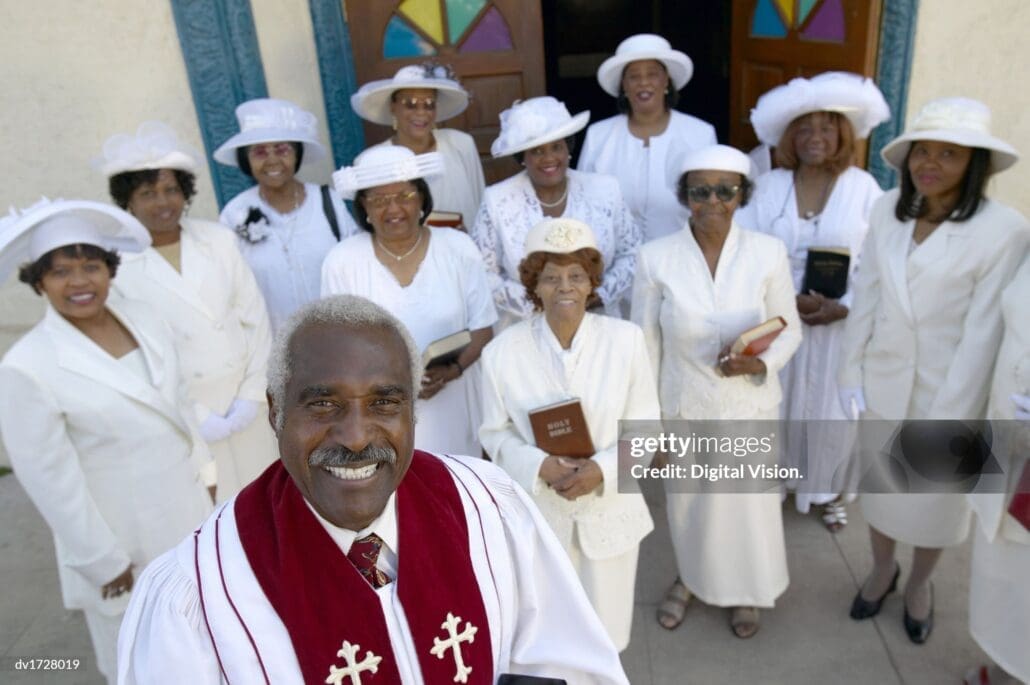
Church And Politics In The Caribbean And Africa: Prophetic Voice, Public Trust, And The Moral Future Of Nations
By Dr. Isaac Newton
News Americas, NEW YORK, NY, Sun. April 12, 2026: The relationship between church and politics in the Caribbean and Africa is not an academic exercise. It is a lived moral condition shaping governance, public trust, and the daily realities of citizens. In societies where faith communities remain among the most trusted institutions, the central question is not whether the church belongs in public life, but whether it will remain present with clarity, courage, and conscience or retreat into a silence that others will inevitably fill.
The phrase separation of church and state is often invoked as a call for religious absence from public discourse. Yet in its original constitutional intent, it was designed to protect freedom of conscience and prevent state domination of religious life. It was never meant to produce moral vacancy in civic space. When misinterpreted, it does not create neutrality. It creates a public square where values still operate but are no longer consciously examined. Silence does not remove morality from society. It simply relocates its authorship.
The biblical tradition presents a very different model. It does not depict faith as withdrawn from public life but as deeply engaged with it. Prophets addressed systems without apology. Moral leaders confronted authority without fear. Truth consistently entered the public sphere as responsibility rather than preference. This trajectory reaches its most complete expression in the life and teachings of Jesus Christ, who challenged hypocrisy, defended the marginalized, and redefined greatness as service. His engagement was never partisan, yet it was always public. It did not seek political power, but it continuously reshaped the moral imagination through which power is judged.
This distinction is decisive for understanding the role of the church. The church is not called to political alignment or institutional control. It is called to prophetic responsibility. Prophetic voice is not the pursuit of influence. It is the preservation of moral clarity in the presence of power. It does not ask which side to support. It asks what is true, what is just, and what is consistent with human dignity. When this distinction is lost, the church either becomes silent in the name of peace or partisan in the name of relevance. Both represent a weakening of its deeper calling.
In Caribbean and African contexts, the hesitation of the church to engage public issues cannot be reduced to indifference. It is shaped by historical experience, political sensitivity, and institutional caution. Churches have witnessed the consequences of political entanglement, the fragility of public unity, and the risks of misinterpretation. Yet prolonged caution carries its own cost. Withdrawal from moral discourse does not preserve influence. It transfers it. When the church grows silent, it does not stop shaping society. It simply stops shaping it intentionally.
This reality is visible in the lived experiences of citizens who navigate systems marked by inequality, institutional strain, and uneven accountability. In many of these societies, the church remains a primary reservoir of trust. Yet trust without translation into public moral engagement creates a quiet dissonance. People respect the voice of the church, but often struggle to see how that voice speaks to the structures that shape their lives. Over time, this gap between trust and visible moral presence risks becoming a form of silent disillusionment rather than open rejection.
The way forward is not greater political alignment but greater moral intelligence. Churches must cultivate moral literacy that helps communities interpret public life through ethical clarity rather than partisan emotion. They must develop civic courage that enables leaders to speak truth without fear of being politically categorized. They must also protect institutional independence so that their witness remains credible, free, and uncaptured. These are not organizational strategies. They are moral disciplines required for faithful public presence.
Ultimately, the future of the church in the Caribbean and Africa will not be determined by whether it engages politics, but by whether it understands its responsibility within public life. Societies are not strengthened by the absence of faith from public discourse. They are strengthened by the presence of moral clarity within it. Influence is not the goal. Faithfulness is. Yet faithfulness, when embodied with courage and wisdom, inevitably becomes influence.
The deeper question is therefore not whether the church should speak. It is whether silence can ever be considered neutral in a world where injustice, inequality, and power are constantly speaking. Silence may appear cautious. It may even feel peaceful. But it is never without consequence. It always shapes the moral direction of society by what it leaves unchallenged.






Leave a Reply
Want to join the discussion?Feel free to contribute!