
From ‘Shottas’ To ‘Cool Runnings’ – Caribbean Movies Gen Z Is Rediscovering
News Americas, FORT LAUDERDALE, Fl: Generation Z – generally defined as people born between 1997 and 2012 – spend a significant amount of time on digital platforms. Social media and video-based apps are central to how this generation consumes culture, with YouTube, TikTok, and Instagram ranking among their most-used platforms (Pew Research Center). That pattern has created a new pathway for older films, including Caribbean movies released decades before Gen Z was born.
Gen Z is rediscovering classic Caribbean movies like Shottas, Cool Runnings, and The Harder They Come through streaming, TikTok, and music-driven digital culture.
Titles from the 1970s through the early 2000s are reaching younger audiences through streaming platforms, social video, and soundtrack-driven discovery. In many cases, these films were originally watched by Gen Z’s parents or older relatives, especially within Caribbean and diaspora households. Today, they are being encountered independently, through digital circulation rather than family viewing.
Digital Discovery And Generational Distance
One of the most visible examples is Shottas. The film circulates widely on TikTok and Instagram, where short clips tied to dancehall tracks appear under hashtags related to Jamaican culture and early-2000s aesthetics, such as #Shottas. These clips often omit context, allowing music, fashion, and setting to communicate tone quickly. Viewers encountering the film for the first time frequently comment that they discovered it through social media rather than through family viewing or traditional broadcast.
By contrast, Cool Runnings reaches Gen Z primarily through streaming. Since its inclusion on Disney+, the film has appeared in reaction videos, ranking lists, and commentary threads on YouTube and TikTok. Gen Z viewers are more likely than older cohorts to engage with films through reactions and short commentary rather than full reviews, according to Nielsen. Cool Runnings benefits from this pattern because its pacing, humor, and soundtrack translate well into short clips.
Music As A Bridge Between Eras
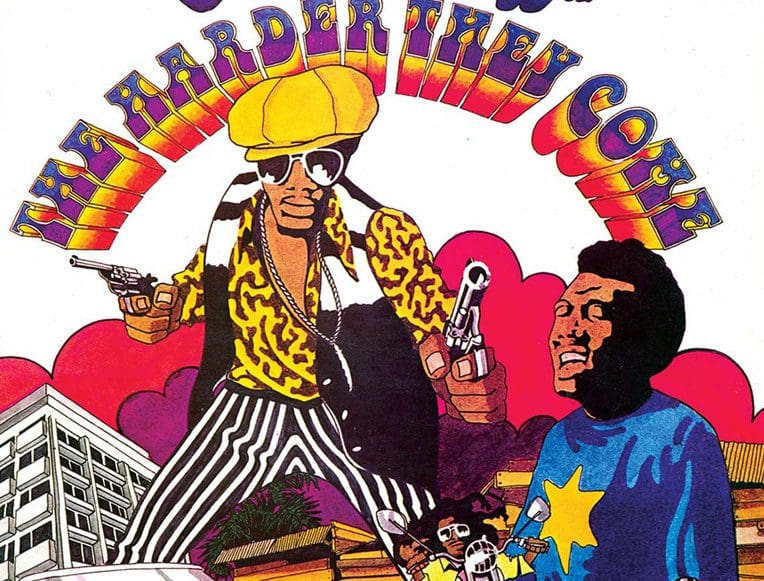
Soundtracks play a central role in rediscovery. ‘The Harder They Come’ continues to surface because its music remains widely streamed. Jimmy Cliff’s title track appears in film edits, playlists, and recommendation threads on platforms such as Letterboxd, where younger users often note encountering the music before the film itself. This mirrors broader findings from Spotify and Apple Music, which show Gen Z frequently discovering older media through soundtrack-driven exploration.
Dancehall Queen (1997) has gained renewed visibility among Gen Z viewers through fashion- and performance-focused clips shared on Instagram Reels and TikTok. Short excerpts featuring Audrey Reid’s dancehall performances circulate as references for styling, movement, and stage presence, often detached from the film’s broader storyline. The visual elements of these scenes – custom outfits, bold color choices, body-focused silhouettes, and competitive presentation – align closely with contemporary dancehall-inspired music videos.
This continuity is frequently noted in discussions comparing the film’s imagery to modern productions such as Major Lazer’s ‘Watch Out For This,’ (Bumaye), which draws on similar dancehall fashion codes, performance framing, and crowd dynamics. For younger viewers, Dancehall Queen functions as a visual reference point, offering a clear line between 1990s Jamaican dancehall culture and its ongoing influence on global music video aesthetics.
Rockers continues to circulate because it offers direct access to late-1970s Jamaican music culture at work. Performance and sound system scenes featuring artists such as Jacob Miller and Burning Spear are frequently shared on YouTube and referenced in reggae-focused forums, where viewers often describe them as archival footage rather than traditional cinema.
The film documents how musicians rehearsed, performed, dressed, and moved through everyday spaces, with minimal separation between the music and the environment that produced it. For Gen Z audiences accustomed to behind-the-scenes content and documentary-style visuals, Rockers reads more like a record of process than a scripted narrative.
Why These Films Circulate Now
These films persist because they translate efficiently into short-form viewing. Their music establishes place and tone within seconds. Their visuals are legible without extensive explanation. Many of the most-shared clips are under 2 minutes, aligning with Gen Z’s dominant viewing habits.
There is also a secondary effect. For second-generation Caribbean viewers, these rediscoveries often prompt conversations at home about films their parents watched when they were first released. For viewers without a Caribbean background, the films function as entry points into a broader cultural archive encountered through music and visual media.
This is the space Reggae Genealogy Music Festival occupies. Through ‘Lights. Camera. Reggae,’ the festival examines how Jamaican music has shaped film, television, and global pop culture across decades, connecting archival work with present-day circulation. Hosted by Island SPACE Caribbean Museum, Reggae Genealogy builds on the museum’s mission to preserve, interpret, and present Caribbean cultural history in ways that remain accessible to new audiences. As younger viewers continue to encounter these films through modern platforms, initiatives like Reggae Genealogy provide a framework for understanding where the work came from, how it traveled, and why it still holds relevance today.
Learn more about Reggae Genealogy: Lights. Camera. Reggae, coming to Plantation, Florida, on Saturday, February 7, 2026, at reggaegenealogy.org.




Leave a Reply
Want to join the discussion?Feel free to contribute!