
The Weight Of A Ballot
By Nyan Reynolds
News Americas Now, NY, NY, Thurs. Nov. 5, 2026: On November 3, 2026, millions of Americans cast their ballots in the midterm elections. Whatever side we voted for, we could walk into our local polling places without having to pay for the right to vote. When
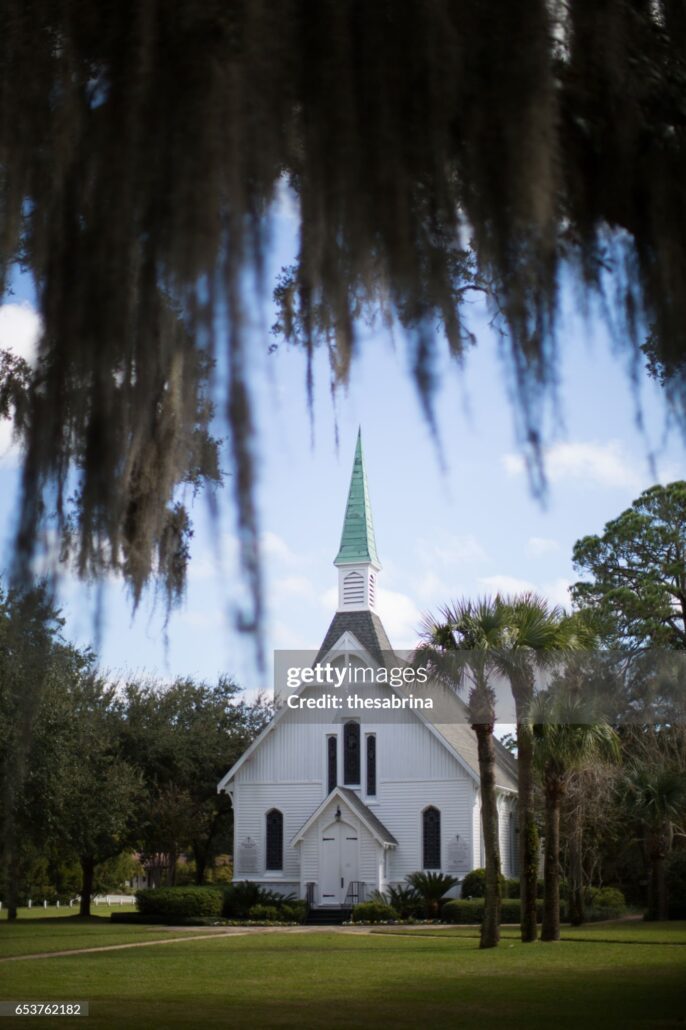
I walked into mine, a little church on a corner in Georgia, I noticed the burial ground on the church grounds. I thought about the people buried there and what it might have taken for someone in their generation to cast a ballot in these United States. And I felt the weight of the ancestors.
We had our own reasons for showing up, and we did not have to agree with one another to stand in the same line. But seeing that burial
ground made me think about how differently the very same act could have been experienced by someone who came before me. What questions would they have had to answer before leaving home? How much money would they have had to set aside? And what might their family have had to live with after they came back?
In Mississippi in the early 1960s, the statewide poll tax was two dollars a year. If you owed the previous year’s tax, you could have to
come up with four dollars before you could vote. Two dollars in 1962 had about the buying power of twenty-two dollars in 2026. At the start of that decade, roughly two out of every three Black Southerners lived below the poverty line. So when we talk about those two dollars, I think we have to ask what it meant to come up with that money by a deadline when you were already trying to put food on the table.
I keep coming back to the deadline because there is a difference between earning two dollars over the course of a year and having two dollars to spare on the day the government says it is due. And if two people in a household both wanted to vote, each had to reckon with the cost. We can look back at income and poverty figures and see how widespread hardship was. The figures can only take us so far. They cannot tell us how many people had enough cash by the deadline, how many found a way to pay, or how many had to let the
opportunity pass.
What matters to me is who was being asked to make that choice. Black Americans in the segregated South had already spent generations
trying to exercise a right that the Constitution said could not be denied on account of race. Yet a state could tell a citizen that before their voice could count, they had to pay a tax. For someone who could spare the money, the payment might have been an inconvenience. For someone who was trying to stretch what they had until the next payday, the same charge could mean going without
something their family needed.
And even if you could pay, there was still the question of what might happen when you tried to register or cast your ballot. You could
face a literacy test administered by an official who had the power to decide whether your answer was good enough. You could face threats against yourself, your family, or your property. Nearly a century after slavery was abolished, generations of Black Americans had lived through segregation and economic exclusion. These voting barriers kept many of them from having a say in who represented them in Congress, who governed their states, and who made decisions in the communities they called home. Those decisions were still made, and the people who had been kept from voting still had to live with them.
Think about what it means to live in a community where you can take your children to school, go to work, and pay your taxes, but your
ability to help choose the people making decisions about that school, your working conditions, and those taxes depends on whether someone will let you register. And then think about living with those decisions year after year. A ballot is one way a citizen can hold someone in office accountable. When people were shut out of elections, the people in office could make decisions about their lives without having to answer to them at the polls.
The Twenty-Fourth Amendment barred poll taxes in federal elections in 1964. The Voting Rights Act of 1965 gave the federal government
stronger tools to enforce the Fifteenth Amendment and combat racial discrimination in voting. In 1966, the Supreme Court struck down Virginia’s poll tax for state elections, ruling that a state could not make payment a condition of voting.
That history was on my mind in Georgia. I did not have to choose between buying food and casting a ballot. I did not have to wonder
whether harm would come to me or my family because I voted. But if we were told tomorrow that every American would have to pay twenty or thirty dollars to vote in the next election, how many of us would accept that? And how many of us would ask who could afford to show up?
And when I ask those questions, I think about who would be able to say yes without looking at their bank account and who would have to sit down and figure out what they could put off until next week. I think about a household where two people want to vote and where twenty dollars apiece means forty dollars out of the same budget. We would hear from the people who could afford to participate. What would we know about the people who stayed home because they could not?
When the next election comes around, I hope we remember the people who tried to cast a ballot knowing what it might cost them. I hope we show up, too. Generations of Americans fought to make that opportunity available to us. I know I’ll think about them the next time I walk into that little church.
RELATED: Stop Saying A Child Is Having A Baby. Say What Happened To Her. It Is Time To Change The Narrative Of Rape Across The Caribbean


Leave a Reply
Want to join the discussion?Feel free to contribute!