

Cuban Man Deported To South Sudan Says He Is Starving

By News Americas Now Staff Writer
News Americas Now, MIAMI, FL, Fri. Nov. 20, 2026: A Cuban man who had lived in the United States since he was two years old says he is going days without food and has at times lacked drinking water for weeks after the U.S. deported him – not to Cuba, but to South Sudan.
Enrique Arias Hierro, 48, is one of several immigrants deported by the Trump administration to the East African nation despite having no connection to the country. Arias Hierro told New York Times columnist Nicholas Kristof, who recently located and interviewed five deportees being held in Juba, that conditions inside the government-controlled residence where they are confined are dire.
“I don’t know if I can tell you without being killed, but it’s horrible here,” Arias Hierro said during an interview monitored by South Sudanese guards and a diplomat. He said there are times when the men receive no food for two or three days and described extended periods without potable water.
“Sometimes there’s no water for a month,” he said, adding that at one point they went two and a half months without drinking water and relied on nonpotable supplies.
From Cuba To America – Then South Sudan
Arias Hierro was born in Cuba but said he had lived in the United States since 1980, when he was approximately two years old. He has a criminal record, as do several of the other men sent to South Sudan. South Sudan has said the deportees completed their criminal sentences in the United States before they were removed. The Trump administration has defended the deportations, describing the men in highly critical terms and arguing that their home countries would not accept them.
But rather than being deported to Cuba, Arias Hierro was sent thousands of miles away to South Sudan – a country the U.S. State Department itself warns Americans not to visit. He is now effectively confined there with no clear path out.
The South Sudanese government describes the building where the men are held as a “safe house.” But according to the deportees, they are not permitted to leave, do not have their own phones and have extremely limited contact with relatives or attorneys. They also told Kristof that electricity and toilets frequently fail and that food and water shortages have caused substantial weight loss among some of the men.
Another Cuban Says He Was Punished After Asking For Water
A second Cuban deportee, José Manuel Rodríguez-Quiñones, also described severe conditions. Rodríguez-Quiñones said he once asked for clean water and was punished by being locked inside his room for three days.
“I didn’t eat for three days,” he said. The other deportees confirmed his account, according to Kristof. The men said they are typically provided approximately three liters of water every two days – for drinking, washing and flushing toilets. South Sudan disputes their description of the conditions.
Its government told The New York Times that the men are provided with food, clean water, sanitation, clothing, medical care and other necessities. It also said South Sudan is paying the costs of accommodating the deportees and that the United States had not provided funding for their care. The deportees acknowledged that they had not been beaten and said some had received medical treatment. But they maintained that access to adequate food and clean water remained a serious problem.
Cuba Has Not Taken Them Back
Arias Hierro and Rodríguez-Quiñones both told Kristof they would return to Cuba if the Cuban government would accept them. According to the report, Cuba has so far refused.
Arias Hierro said he had lived in America since 1980, while Rodríguez-Quiñones said he arrived in the United States in 1995. South Sudan has managed to return three other deportees to Mexico, Laos and Vietnam, but the two Cubans remain stranded. Three of the five men interviewed said they have U.S.-citizen children.
Their days, according to the report, are largely spent exercising and listening to a radio — one of their only connections to the outside world.
Third-Country Deportations Under Scrutiny
The case is part of the Trump administration’s broader use of so-called third-country deportations — removing immigrants to nations other than their countries of citizenship. More than 500 immigrants have reportedly been deported to African nations with which they had no previous connection.
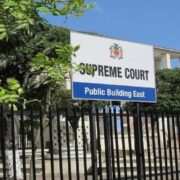
Human Rights Watch has criticized the practice, arguing that third-country deportations can violate international human rights protections and use suffering as a migration deterrent. The U.S. Supreme Court previously allowed deportations to South Sudan to proceed, but fast-track hearings are scheduled for December on legal challenges involving third-country removals and protections against torture.
For Arias Hierro, however, the legal and political debate is happening thousands of miles away. His request is much more immediate. “Have the U.S. pay for food and water and basic things humans should have,” he said.
For a Cuban man who spent virtually his entire life in America, deportation has not meant being returned home. It has meant being sent to a country he had no connection to – with no clear indication of when, or how, he will ever leave.
RELATED: Cuban Alleges Abuse During Deportation To Liberia Under Third-Country Deal


Leave a Reply
Want to join the discussion?Feel free to contribute!