
Caribbean Dilemma – Growing Older Before Growing Rich
By Dr. Isaac Newton
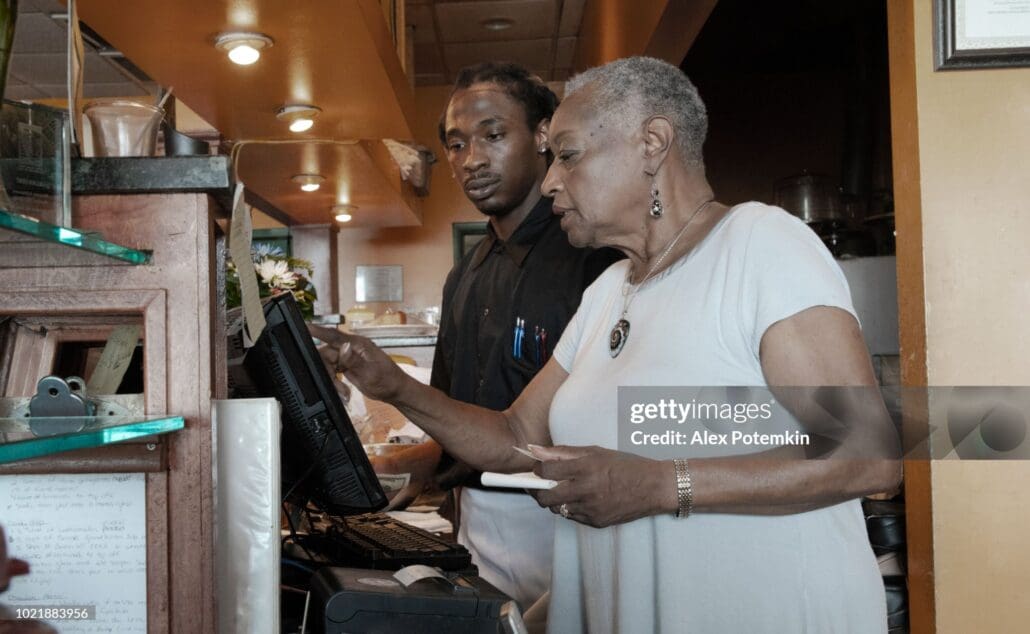
News Americas, NEW YORK, NY, Weds. June 10, 2026: Across the Eastern Caribbean, the future is breaking into the present the way morning breaks into a sleeping room, gently, unavoidably. It’s a Caribbean dilemma. One empty classroom, one departing nurse, and one funeral at a time. The most consequential challenge facing the region is not gathering over the Atlantic. It cannot be tracked by satellite or measured by wind speed. Yet, its force grows with every passing year. In Antigua and Barbuda, Dominica, Grenada, St. Lucia, St. Kitts and Nevis, and St. Vincent and the Grenadines, populations are aging rapidly while workforces are shrinking. Hospitals are becoming busier as classrooms grow smaller. What was once considered a challenge for wealthy nations has arrived on the shores of small island states. The Caribbean is growing older before it grows rich.
The numbers are clear. Research from the United Nations, ECLAC, UNFPA, and the OECD shows that the share of older citizens is rising while the share of working age citizens is declining. By the middle of this century, several Eastern Caribbean countries will have far more retirees relative to their workforce than they do today. Yet demographics are never merely statistics. Behind every percentage point is a grandmother living alone, a retired teacher managing chronic illness, a farmer whose children have settled overseas, and a government struggling to stretch limited resources. This is not simply a demographic transition. It is a human story unfolding in real time.
The roots of this transformation lie in both success and loss. Caribbean people are living longer than previous generations because of improvements in healthcare, education, and public health. This is one of the region’s great achievements. At the same time, fewer children are being born, and many of the Caribbean’s most talented young people continue to leave in search of greater opportunity abroad. The region’s greatest export is no longer sugar, bananas, or even tourism. It is its young people. Every nurse who leaves creates a gap in a hospital. Every teacher who emigrates leaves a vacancy in a classroom. Every entrepreneur who builds a future elsewhere takes with them skills, ideas, and productive capacity that their country urgently needs.
The economic consequences are impossible to ignore. A smaller workforce means slower growth. Fewer taxpayers place greater pressure on government finances. Healthcare costs rise. Pension obligations increase. Employers struggle to recruit skilled workers. Small island states feel these pressures with particular intensity because they lack the scale and financial reserves available to larger countries. When a nation of one hundred thousand people loses several hundred skilled professionals, the effects are felt everywhere, from hospitals and schools to businesses and public institutions. Demography is not destiny. But it becomes destiny for societies that refuse to prepare.
The ageing of the Caribbean is fundamentally a challenge of age and a challenge of leadership. Too often, older citizens are viewed primarily through the lens of dependency. This is a costly mistake. Within the region’s older population lies an extraordinary reserve of knowledge, experience, judgment, and practical wisdom. An experienced teacher can mentor young educators. A retired engineer can guide infrastructure projects. A former entrepreneur can help emerging businesses avoid costly mistakes. The countries that prosper in the decades ahead will be those that find ways to care for older citizens and empower them.
The region must also confront another reality. It cannot solve this challenge through local labour alone. The Caribbean can attract talent, reclaim talent, or continue to lose talent. There is no fourth option. Governments should encourage skilled immigration, support diaspora return, attract remote professionals, and remove unnecessary barriers to investment and residency. At the same time, young families must find it easier to build their futures at home through affordable housing, quality childcare, meaningful economic opportunity, and flexible employment. These are not simply social policies. They are demographic policies. A society that cannot retain its young people cannot secure its future.
The clock is already running. The worker who will support tomorrow’s pension system is either sitting in a classroom today or has not yet been born. The nurse who will care for an ageing population is deciding where to build her future. The retiree who will need support ten years from now is already alive. Time is no longer an advantage. It is the constraint. Every year of delay narrows the available choices and increases the eventual cost. The generation that built these nations has already paid its debt to history. Today’s leaders must show the same foresight. Every ageing society eventually confronts a single question: Who will care for us when we can no longer care for ourselves? The Caribbean does not suffer from a lack of reports. It bleeds from a shortage of courage.




Leave a Reply
Want to join the discussion?Feel free to contribute!