
The Guns We Surrender, The Guns We Miss – A Smarter Firearm Policy For Small States
By Dr. Isaac Newton
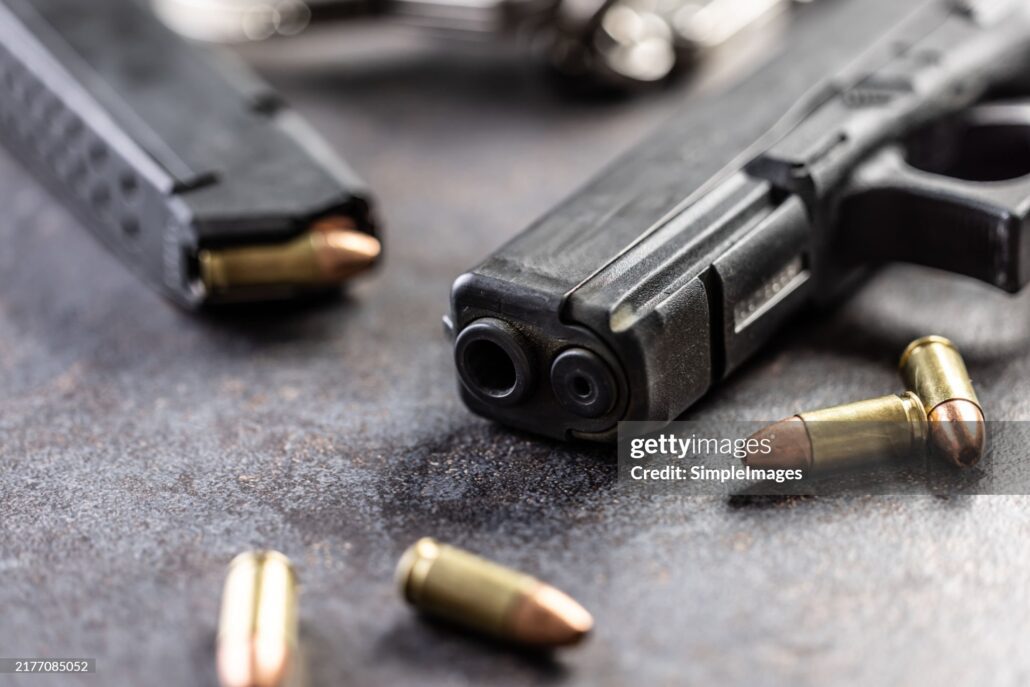
News Americas, NEW YORK, NY, Tues. Sept. 8, 2026: A gun is surrendered at a police station. Somewhere, a family may breathe easier. Somewhere else, another family may still be waiting for answers. That single act can remove guns from circulation, but it can also erase an opportunity to discover where the weapon came from, who possessed it, and whether it was used to take a life. Small states should welcome voluntary surrender, but they must design it with eyes wide open. One gun recovered is progress. One crime concealed is a failure.
There is a legitimate place for a carefully designed surrender program. It can bring illegal firearms out of hiding and give people a lawful path to put them down. But surrender must never become immunity from accountability for serious crime. Every firearm should be secured, documented, traced, and forensically examined before disposal. A person may receive protection for unlawful possession covered by the program, but that protection should never become a shield against evidence of murder, robbery, trafficking, or another serious offense. Give people a safe way to surrender a weapon. Never give criminals a safe way to erase a crime.
THE PROGRAM
The program should have a clear beginning and an unmistakable end. During the surrender window, government can offer carefully regulated incentives for voluntary compliance. Every weapon becomes an intelligence opportunity: its serial number, condition, ammunition, provenance, and forensic history may help investigators understand what is moving through the country. After the window closes, enforcement should become stronger, not softer. Police, customs, immigration, and regional partners should use the intelligence gathered to identify trafficking routes, repeat offenders, and weapons that remain in circulation. Surrender should open the door to stronger security, not close the book on it.
Success must also be measured honestly. Count the weapons recovered, but then ask what happened because they were recovered. How many were linked to crimes? How many were traced? How many trafficking networks were disrupted? Did weapons return to the streets? Did shootings decline? If 500 old guns disappear while 600 new ones enter through trafficking, the country has collected weapons without reducing the danger. The real scoreboard is lives protected, crimes prevented, networks disrupted, and public trust strengthened.
For a small island state, every life matters and every public dollar must produce public safety. The best policy joins compassion with accountability: give people a safe path to surrender a weapon; give investigators every lawful opportunity to find the truth; give traffickers nowhere to hide; and give communities confidence that the law protects them. A gun should leave the street without taking the truth with it. Collect the weapon. Preserve the evidence. Close the loophole. Protect the people.





Leave a Reply
Want to join the discussion?Feel free to contribute!