
Caribbean Education – Before The Bell Rings – Knowing The Caribbean Child, Changing The Learning
By Teacher Kishma Isaac
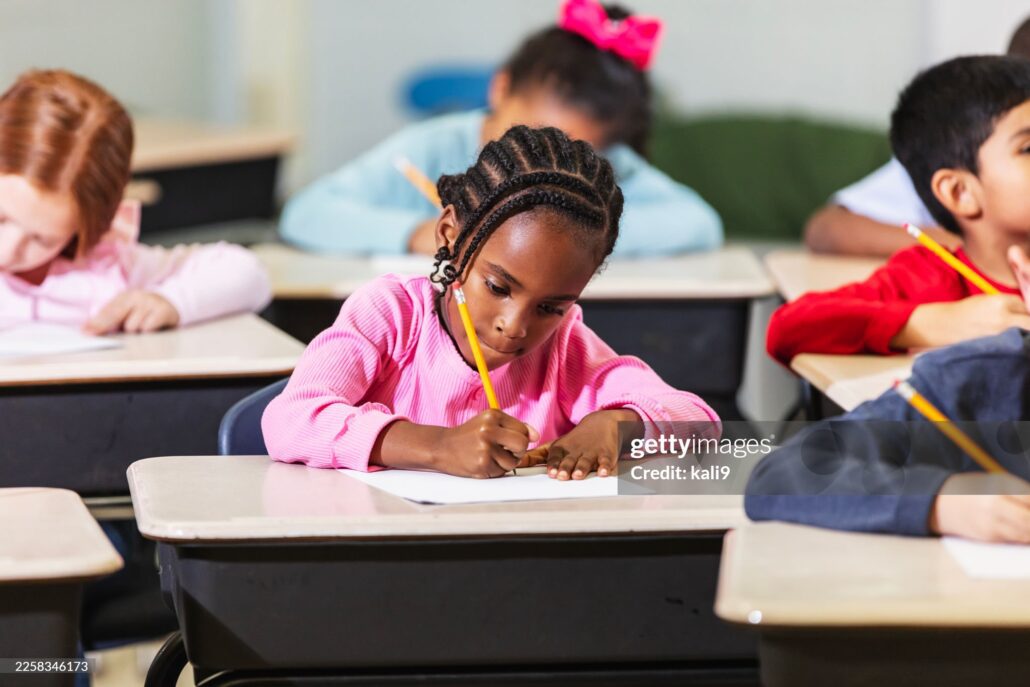
News Americas, NEW YORK, NY, Sun. August 30, 2026: The most important thing in Caribbean education in a Caribbean classroom may be the thing a teacher has not yet discovered. Behind a student’s name on the register is a world of family, culture, language, experience, aspiration, and circumstance. Some of it is visible. Much of it is not. In a region shaped by migration, economic pressures, climate uncertainty, digital acceleration, changing family structures, and an increasingly connected world, teaching well requires more than knowing the curriculum. It requires knowing something about the person who will encounter it. A teacher’s understanding of the learner influences the examples chosen, the expectations established, the responses to behavior, the partnerships formed with families, and the opportunities created for participation. Knowing students is therefore not an accessory to teaching. It is part of the craft itself.
The Caribbean child does not arrive culturally empty. Students enter school with stories, music, sport, faith, humor, family knowledge, local history, language, creativity, and the resourcefulness of communities accustomed to making much from little. These are intellectual resources. When teachers connect legitimate elements of students’ lived worlds to rigorous academic work, relevance becomes a pathway rather than a slogan. This requires cultural responsiveness without romanticizing culture or lowering standards. It also requires a clear view of human dignity. If each child bears the image of God, then no student should be reduced to a grade, a behavior, a stereotype, or a perceived limitation. A quiet learner may be thinking deeply. A restless learner may need another entry point. A student struggling academically may possess strengths that conventional assessment has yet to reveal.
Understanding becomes valuable when it changes decisions. CONTENT + LEARNER + CONTEXT = DESIGN. What must students learn? What do we know about these particular learners? What features of their circumstances might influence the learning? Those answers can reshape examples, questions, grouping, pacing, differentiation, and assessment. They can also sharpen classroom management. Rather than treating behavior as an isolated event, teachers can notice patterns, investigate before assuming, and respond while preserving expectations. Family partnership can follow the same discipline: ASK → LISTEN → ALIGN → FOLLOW THROUGH. Three low-burden practices make the approach practical: greet students intentionally at the door, ask one meaningful question each week, and use NOTICE → NAME → ASK → ACT → FOLLOW UP to convert observation into purposeful action.
The aim is not to collect interesting facts about students. It is to develop better professional judgment. A five-minute learner profile can surface strengths, interests, aspirations, and challenges. An Interest and Hobbies Map can reveal authentic connections between curriculum and students’ worlds. An Observation and Check-In Grid can bring together student voice, teacher observation, and learning evidence. Yet information about a child carries responsibility. Use it to understand, never to label. Separate evidence from assumption. Ask before concluding. Support without quietly reducing the standard. Most importantly, let what students reveal influence what happens next. Listening becomes educationally meaningful when it produces a wiser decision, a different response, or a better learning experience.
The evidence of knowing a learner is ultimately found in changed practice. A teacher redesigns a lesson because she has discovered how her students connect with an idea. Another recognizes a behavioral pattern early enough to prevent escalation. Another hears a parent’s perspective and revises her approach. Another notices the student who has become remarkably good at going unseen. None requires a spectacular intervention. Each begins with attention, followed by judgment, action, and follow-through. Caribbean education needs teachers who can hold cultural understanding alongside academic rigor, technology alongside humanity, and high expectations alongside intelligent support. That work begins before the lesson plan, before the first question, before the bell rings. Know the Caribbean child. Change the learning.





Leave a Reply
Want to join the discussion?Feel free to contribute!